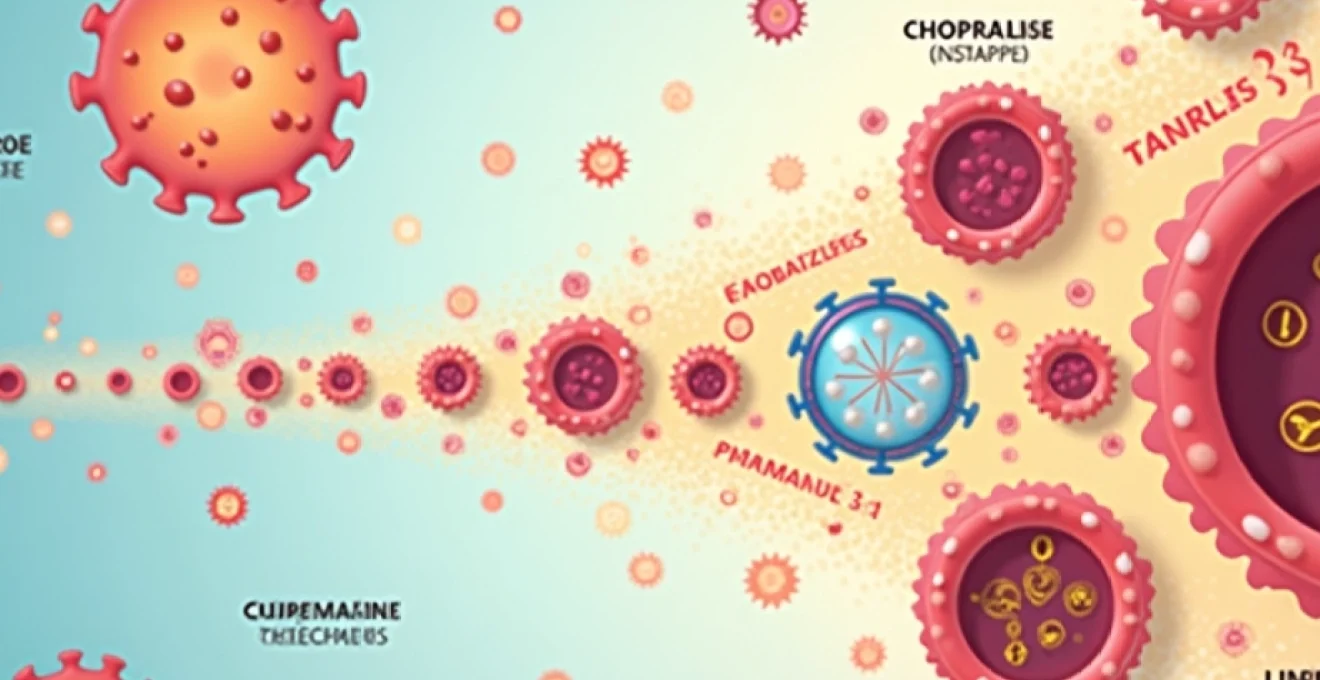
Proton pump inhibitor (PPI) rebound hyperacidity represents one of the most challenging aspects of discontinuing acid suppression therapy. This phenomenon affects millions of patients worldwide who attempt to cease their medication, often experiencing paradoxically worse symptoms than before treatment began. The gastric acid surge that follows PPI withdrawal can persist for varying durations, leaving patients questioning whether their digestive system will ever return to normal function. Understanding the underlying mechanisms, expected timelines, and evidence-based management strategies becomes crucial for both healthcare providers and patients navigating this complex physiological process.
Understanding proton pump inhibitor rebound hyperacidity mechanisms
The rebound effect following PPI discontinuation stems from complex physiological adaptations that occur during chronic acid suppression therapy. When proton pumps in gastric parietal cells are inhibited for extended periods, the body initiates compensatory mechanisms that ultimately lead to hypergastrinemia and cellular hyperplasia . These adaptive changes create the foundation for the acid surge experienced upon medication withdrawal.
The severity and duration of rebound hyperacidity correlate directly with the degree of gastric adaptation that occurred during treatment. Patients who used PPIs for longer durations or at higher doses typically experience more pronounced rebound symptoms. This relationship exists because extended acid suppression allows more time for cellular changes to occur, creating a more dramatic rebound when normal acid production resumes.
Gastrin-mediated parietal cell hyperplasia during PPI withdrawal
Gastrin plays a central role in orchestrating the rebound phenomenon through its trophic effects on gastric mucosa. During PPI therapy, serum gastrin levels can increase by 300-500% above baseline values, triggering significant changes in gastric architecture. This hypergastrinemic state stimulates the proliferation of enterochromaffin-like (ECL) cells and promotes parietal cell hyperplasia throughout the gastric corpus.
When PPI therapy ceases, elevated gastrin levels persist for several weeks while the medication clears from parietal cell proton pumps. The enlarged population of acid-producing cells, now uninhibited by the PPI, responds vigorously to gastrin stimulation. This creates an overshoot effect where acid production can exceed pre-treatment levels by 200-400% during the initial withdrawal period.
Histamine release pathways and ECL cell proliferation
Enterochromaffin-like cell hyperplasia represents another critical component of the rebound mechanism. These specialised cells, which release histamine in response to gastrin stimulation, undergo significant proliferation during chronic PPI use. The increased ECL cell mass creates enhanced capacity for histamine release, which directly stimulates parietal cells through H2 receptors.
The histamine-mediated pathway becomes particularly important during rebound because it amplifies the gastrin signal. Each gastrin molecule can trigger multiple ECL cells to release histamine, which then activates numerous parietal cells. This cascade amplification explains why rebound acid production can far exceed normal physiological levels, even in patients with previously normal gastric function.
Cholinergic stimulation amplification in Post-PPI recovery
Vagal cholinergic pathways also contribute to rebound hyperacidity through enhanced sensitivity that develops during PPI treatment. The gastric mucosa adapts to chronic acid suppression by increasing the responsiveness of muscarinic receptors on parietal cells. This adaptation ensures some acid production continues despite PPI inhibition, but it creates problems during withdrawal.
Post-PPI cholinergic hypersensitivity means that normal vagal stimulation from meals, stress, or even circadian rhythms can trigger exaggerated acid responses. Patients often notice that their symptoms worsen with eating or during stressful situations, reflecting this heightened cholinergic sensitivity that persists until normal receptor function returns.
Timeline of gastric acid hypersecretion following omeprazole discontinuation
Research demonstrates that acid rebound follows a predictable temporal pattern following omeprazole discontinuation. Peak acid hypersecretion typically occurs within 3-5 days of stopping the medication, coinciding with the clearance of PPI from proton pumps. During this phase, gastric acid output can reach 150-200% of pre-treatment levels, explaining the intensity of symptoms many patients experience.
The hypersecretory phase gradually diminishes over subsequent weeks as gastrin levels normalise and cellular hyperplasia resolves. However, complete normalisation of gastric physiology requires significantly longer timeframes. Studies using gastric acid output measurements show that some degree of enhanced acid production may persist for 8-12 weeks after PPI discontinuation, though symptoms typically improve much earlier.
Clinical duration and resolution patterns of acid rebound syndrome
The clinical course of acid rebound follows distinct phases, each characterised by specific symptom patterns and physiological changes. Understanding these phases helps patients and healthcare providers set realistic expectations for recovery and plan appropriate management strategies. The duration and intensity of each phase varies considerably between individuals, influenced by factors including treatment duration, PPI potency, and baseline gastric function.
Most patients experience some degree of symptom improvement within the first month of PPI discontinuation, though complete resolution may take considerably longer. The trajectory of recovery is rarely linear, with many patients experiencing fluctuating symptoms that gradually trend toward improvement. This pattern reflects the complex nature of gastric adaptation and the multiple physiological systems involved in acid regulation.
Acute phase symptoms: days 1-14 Post-Discontinuation
The acute phase represents the most challenging period of PPI withdrawal, typically beginning 2-5 days after the final dose. During this period, patients commonly experience severe heartburn, regurgitation, and dyspepsia that may exceed their original symptoms. The intensity often peaks between days 3-7, coinciding with maximum acid hypersecretion.
Nocturnal symptoms frequently prove most troublesome during the acute phase, as supine positioning allows acid to contact the lower oesophagus more readily. Many patients report sleep disruption and require additional pillows or bed elevation to manage symptoms. The circadian variation in acid production, normally modest, becomes exaggerated during rebound, contributing to the nocturnal symptom predominance.
Intermediate recovery period: weeks 2-8 gastric adaptation
The intermediate recovery phase typically begins during the second week post-discontinuation as peak acid hypersecretion begins to subside. Symptoms generally show gradual improvement, though they may remain above baseline levels for several additional weeks. This phase is characterised by increasing periods of symptom relief interspersed with episodes of discomfort.
Gastrin levels begin normalising during this period, though they may remain elevated for 4-8 weeks depending on the duration of prior PPI use. The gradual decline in gastrin allows ECL cell populations to return toward normal levels, reducing the histamine-mediated amplification of acid production. Patients often notice that their symptoms become more predictable and manageable during this phase.
Long-term normalisation: 8-12 week parietal cell remodelling
Complete normalisation of gastric physiology requires extensive cellular remodelling that extends well beyond symptom resolution. Parietal cell populations must return to normal levels, ECL cell hyperplasia must resolve, and receptor sensitivity must recalibrate. This process typically requires 8-12 weeks, though some patients may need longer periods for full recovery.
During this phase, most patients experience substantial symptom improvement or complete resolution. However, some individuals may retain slightly elevated acid production capacity for months after PPI discontinuation. This residual change rarely causes significant symptoms but may be detected through specialised testing such as gastric acid output studies or pentagastrin stimulation tests .
Individual variation factors in rebound duration
Several factors influence the duration and severity of acid rebound, creating significant variability between patients. Age plays a crucial role, with younger patients often experiencing more pronounced rebound due to greater gastric reserve function and more robust adaptive responses. Elderly patients may have attenuated rebound symptoms but longer recovery periods due to slower cellular turnover.
The duration of prior PPI therapy represents perhaps the most important predictor of rebound severity. Patients who used PPIs for less than eight weeks typically experience milder, shorter-duration rebound compared to those with years of continuous therapy. Genetic polymorphisms affecting CYP2C19 metabolism also influence recovery, as they determine both PPI clearance rates and individual acid production capacity.
PPI Class-Specific rebound severity and recovery protocols
Different proton pump inhibitors demonstrate varying propensities for causing rebound hyperacidity, reflecting differences in their pharmacokinetic properties and binding characteristics. Understanding these differences helps clinicians select appropriate discontinuation strategies and set patient expectations. The reversibility of proton pump binding, half-life considerations, and tissue penetration all contribute to class-specific rebound patterns.
Research suggests that irreversible PPI binding, characteristic of most agents in this class, contributes significantly to rebound severity. However, newer understanding of proton pump regeneration rates and drug distribution patterns reveals important distinctions between individual medications. These differences become particularly relevant when planning discontinuation strategies for patients at high risk of severe rebound symptoms.
Lansoprazole vs esomeprazole withdrawal syndrome comparison
Lansoprazole and esomeprazole demonstrate distinct withdrawal profiles that reflect their different pharmacological properties. Lansoprazole, with its relatively short half-life and rapid clearance, often produces acute but shorter-duration rebound symptoms. Patients typically experience peak symptoms within 3-4 days of discontinuation, but recovery may occur more rapidly than with other PPIs.
Esomeprazole, the S-isomer of omeprazole, demonstrates more prolonged tissue retention and may produce more sustained rebound effects. The superior acid suppression achieved with esomeprazole during treatment often correlates with more pronounced gastric adaptation, leading to more severe rebound symptoms that may persist for longer durations. However, individual patient responses vary considerably, making generalisations challenging.
Pantoprazole tapering strategies for rebound minimisation
Pantoprazole offers unique advantages for discontinuation strategies due to its distinctive pharmacological profile. Its relatively weak binding affinity for proton pumps and shorter duration of action make it an excellent choice for tapering regimens. Many clinicians switch patients to pantoprazole before attempting discontinuation, allowing for more gradual withdrawal of acid suppression.
Effective pantoprazole tapering typically involves reducing the dose by 50% every 1-2 weeks, allowing gastric physiology to adapt gradually. The medication’s shorter dissociation time from proton pumps means that dose reductions translate more directly into reduced acid suppression, providing more predictable tapering effects than with other PPIs.
Rabeprazole Half-Life impact on acid hypersecretion duration
Rabeprazole’s unique pharmacokinetic properties, including its rapid onset and relatively short half-life, create distinctive rebound patterns. The medication’s quick activation and clearance often result in more predictable withdrawal timelines, with symptoms typically beginning within 24-48 hours of discontinuation. This rapid onset can catch patients unprepared but may also indicate faster overall recovery.
The benzimidazole structure of rabeprazole allows for more complete hepatic metabolism compared to other PPIs, reducing the likelihood of prolonged tissue retention. This characteristic may contribute to shorter overall rebound duration, though peak symptom intensity can still be substantial. Patients discontinuing rabeprazole often benefit from immediate implementation of symptomatic management strategies due to the rapid onset of withdrawal symptoms.
Evidence-based management strategies for acid rebound mitigation
Successful management of acid rebound requires a comprehensive approach combining pharmacological interventions, lifestyle modifications, and patient education. The goal is not necessarily to eliminate all symptoms during the withdrawal period, but rather to make them tolerable while allowing natural recovery to occur. Evidence suggests that complete symptom suppression during rebound may actually prolong the recovery process by interfering with physiological adaptation.
Dietary modifications play a crucial role in rebound management, though they differ somewhat from standard GERD recommendations. During the rebound phase, the stomach produces excessive acid that may overwhelm normal buffering mechanisms. Therefore, strategies focus on acid buffering and gastric protection rather than simply avoiding trigger foods. Frequent small meals help maintain gastric pH by providing natural buffering, while certain foods can actively neutralise excess acid.
Timing of interventions proves critical for optimal rebound management. Patients should begin implementing management strategies before symptoms peak, typically starting protective measures 2-3 days after PPI discontinuation. This proactive approach prevents the establishment of severe symptom patterns and may reduce overall rebound duration. The combination of anticipatory management and responsive treatment adjustments provides the best outcomes.
Non-pharmacological approaches often prove surprisingly effective during acid rebound. Stress management techniques, including deep breathing exercises and progressive muscle relaxation, can significantly reduce vagal stimulation of acid production. Regular moderate exercise helps promote gastric motility and may accelerate the resolution of symptoms. Sleep positioning modifications, such as elevating the head of the bed by 6-8 inches, provide mechanical protection against nocturnal reflux symptoms.
Pharmacological interventions during PPI discontinuation syndrome
H2 receptor antagonists serve as the cornerstone of pharmacological management during PPI withdrawal, offering partial acid suppression without completely blocking gastric function. Unlike PPIs, H2 blockers allow some degree of physiological acid production to continue, which may actually facilitate faster adaptation. Ranitidine, famotidine, and cimetidine all demonstrate efficacy for rebound symptom control, though famotidine often provides the best balance of effectiveness and tolerability.
The timing and dosing of H2 blockers requires careful consideration during rebound management. Starting with twice-daily dosing often provides better symptom control than single doses, particularly for managing nocturnal symptoms. However, continuous daily use should be limited to the acute rebound phase to avoid developing dependency on acid suppression. Intermittent or as-needed dosing becomes more appropriate as symptoms improve, allowing for gradual withdrawal of all acid-suppressing medications.
Antacid therapy provides rapid symptomatic relief during acute rebound episodes without interfering with physiological recovery processes. Calcium carbonate, aluminum hydroxide, and magnesium-containing preparations all offer effective acid neutralisation. However, the choice between different antacid formulations depends on individual patient factors, including renal function, bowel habits, and concurrent medications. Combination antacids often provide superior symptom relief compared to single-ingredient preparations.
Sucralfate represents a unique therapeutic option that provides mucosal protection without acid suppression. This medication forms protective barriers over inflamed or irritated gastric and oesophageal mucosa, providing symptom relief while allowing normal acid production to continue. The cytoprotective effects of sucralfate may actually promote healing of acid-related mucosal damage, potentially accelerating overall recovery from rebound symptoms.
Prokinetic agents may benefit selected patients experiencing delayed gastric emptying during rebound recovery. Domperidone and metoclopramide can improve gastric motility and reduce symptom severity, though their use requires careful consideration of potential side effects. These medications prove most beneficial for patients with predominant bloating, early satiety, or postprandial symptoms rather than classic heartburn patterns.
Long-term prognosis and gastric function recovery assessment
The long-term prognosis for patients experiencing PPI rebound hyperacidity is generally excellent, with the vast majority achieving complete symptom resolution within 8-12 weeks of discontinuation. However, the recovery trajectory varies significantly between individuals, and some patients may experience residual symptoms for longer periods. Understanding the factors that predict successful recovery helps both patients and clinicians maintain appropriate expectations during the withdrawal process.
Complete gastric function recovery involves more than just symptom resolution. Physiological studies demonstrate that while symptoms typically improve within 4-6 weeks, full normalisation of gastric acid output patterns may require 3-6 months. This extended recovery timeline reflects the time needed for cellular remodelling, receptor recalibration, and restoration of normal neurohumoral regulation. Patients who achieve symptom-free periods during this recovery phase can generally expect sustained improvement.
Assessment of recovery progress requires both subjective symptom monitoring and objective evaluation when appropriate. Patients should track symptom frequency, severity, and triggers to identify improvement trends that may not be immediately apparent
throughout the withdrawal period. Additionally, healthcare providers may recommend periodic gastric function testing for patients with prolonged recovery times or those at risk of developing complications.
Factors that predict favourable long-term outcomes include younger age, shorter duration of prior PPI use, and absence of underlying structural gastric abnormalities. Patients who can successfully implement lifestyle modifications during the withdrawal period typically experience faster and more complete recovery. Psychological factors also influence recovery, with patients who maintain confidence in their ability to recover often achieving better outcomes than those who develop anxiety about their symptoms.
The return of normal gastric acid regulation represents more than just symptom resolution—it includes restoration of proper digestive function, nutrient absorption, and gastric antimicrobial defence mechanisms. Studies using ambulatory pH monitoring demonstrate that patients who successfully discontinue PPIs often achieve superior gastric function compared to those who remain on chronic acid suppression therapy. This improvement reflects the restoration of physiological acid patterns that support optimal digestive health.
However, a small percentage of patients may experience prolonged recovery periods extending beyond the typical 12-week timeframe. These individuals often have underlying conditions that were masked by PPI therapy, such as Helicobacter pylori infection, gastric motility disorders, or structural abnormalities. Comprehensive gastroenterological evaluation may be warranted for patients who fail to show significant improvement within 16-20 weeks of PPI discontinuation.
Monitoring for potential complications during extended recovery periods becomes important, particularly for patients experiencing severe or persistent symptoms. Oesophageal pH studies can assess whether acid exposure remains within normal ranges, while endoscopic evaluation may be necessary to exclude inflammatory changes or structural damage. The vast majority of patients, however, achieve complete recovery without requiring invasive diagnostic procedures.
Long-term follow-up studies demonstrate excellent outcomes for patients who successfully navigate PPI withdrawal. Most individuals maintain symptom-free status for years after discontinuation, with only a small minority requiring reinitiation of acid suppression therapy. This success rate reinforces the concept that acid rebound hyperacidity represents a temporary physiological adaptation rather than a permanent pathological state, providing reassurance for patients concerned about their long-term prognosis.