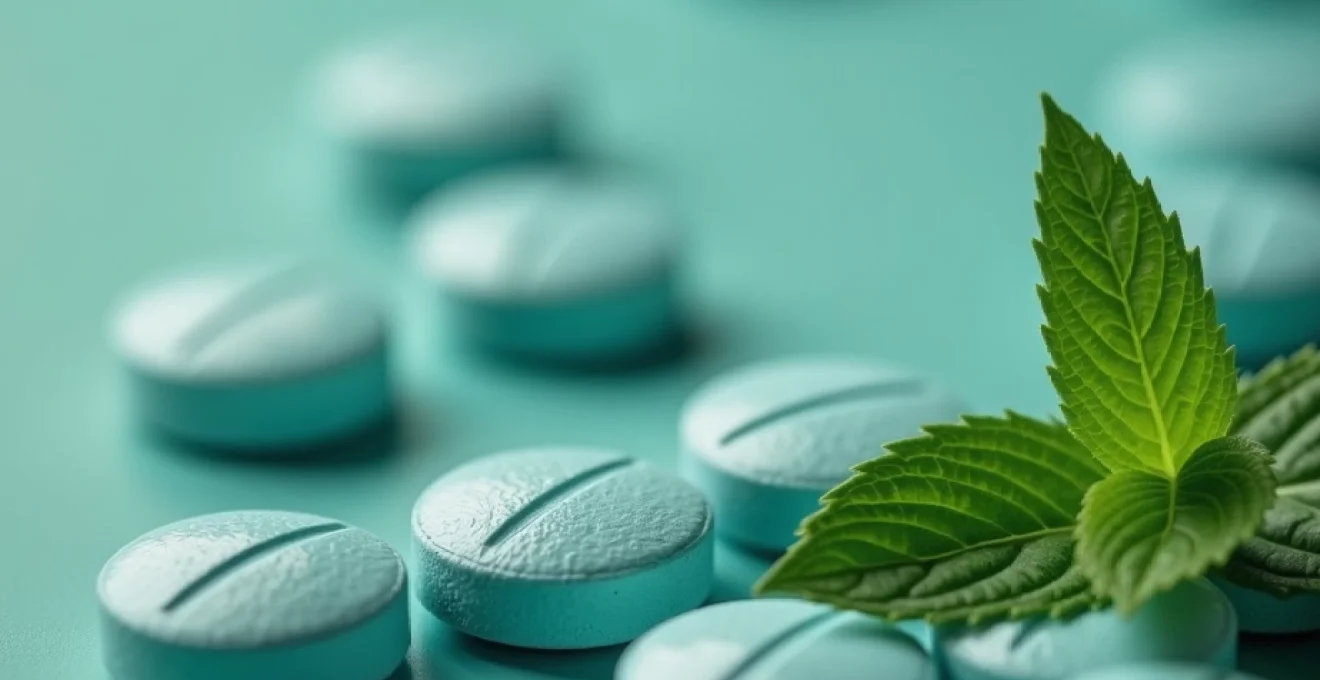
Spironolactone tablets possess a distinctive minty aroma that often surprises patients when they first open their medication bottle. This characteristic scent isn’t accidental but results from deliberate pharmaceutical formulation choices designed to mask the drug’s naturally unpleasant odour. The minty fragrance comes from peppermint flavouring agents specifically added during manufacturing to improve patient compliance and overall medication experience. Understanding the science behind this aromatic phenomenon reveals fascinating insights into pharmaceutical chemistry, drug formulation, and the complex interplay between molecular structures and sensory perception. Many patients report confusion about whether they’ve received the correct medication due to this unexpected pleasant smell, particularly when comparing different manufacturers’ versions of the same drug.
Chemical composition and molecular structure of spironolactone
Spironolactone’s unique chemical structure contributes significantly to its natural odour profile, which pharmaceutical manufacturers work diligently to mask. The drug belongs to the aldosterone receptor antagonist class of medications, featuring a complex steroid backbone that influences both its therapeutic properties and aromatic characteristics. This molecular framework contains multiple ring structures and functional groups that can undergo various chemical reactions, particularly when exposed to environmental factors like heat, moisture, and oxygen.
17α-spirolactone core structure and aromatic compounds
The 17α-spirolactone core structure of spironolactone creates a molecular environment prone to releasing volatile organic compounds. These compounds contribute to the medication’s inherent smell, which many patients describe as sulfurous or cannabis-like when unmasked by flavouring agents. The spirolactone ring system undergoes gradual degradation over time, releasing thioacetone and other sulfur-containing metabolites that produce distinctly unpleasant odours. Pharmaceutical chemists have identified these degradation pathways as primary contributors to the drug’s natural aroma profile.
Aldactone manufacturing process and pharmaceutical excipients
During the manufacturing process, spironolactone tablets receive careful formulation with specific excipients designed to enhance stability and patient acceptability. Microcrystalline cellulose , lactose monohydrate, and pregelatinized starch serve as binding agents whilst simultaneously interacting with volatile compounds released from the active pharmaceutical ingredient. The addition of peppermint flavouring occurs during the coating phase, where manufacturers apply a thin film containing aromatic compounds that effectively mask underlying odours whilst providing the characteristic minty scent patients recognise.
Steroid-based aldosterone receptor antagonist properties
The steroid-based nature of spironolactone influences its tendency to produce volatile compounds through oxidative degradation pathways. These chemical processes accelerate under certain storage conditions, leading to increased odour intensity over time. The aldosterone receptor antagonist mechanism requires specific molecular conformations that inherently create unstable chemical bonds, contributing to the release of aromatic compounds. Understanding these molecular interactions helps explain why different manufacturers’ formulations may exhibit varying degrees of minty intensity.
Molecular weight impact on volatile organic compound release
Spironolactone’s molecular weight of 416.57 g/mol positions it within an optimal range for volatile compound formation. Molecules of this size undergo predictable degradation patterns that release smaller, more volatile fragments capable of stimulating olfactory receptors. The drug’s lipophilic properties further enhance its ability to interact with organic solvents and flavouring agents, creating complex aromatic profiles that vary based on environmental conditions and storage duration.
Menthol and Mint-Like aromatic compounds in pharmaceutical formulations
Pharmaceutical manufacturers strategically incorporate menthol and related mint-like aromatic compounds into spironolactone formulations to enhance patient compliance and mask undesirable odours. These flavouring agents serve multiple purposes beyond simple scent masking, including antimicrobial properties and stability enhancement. The selection of specific mint derivatives depends on factors such as volatility, stability, regulatory approval, and cost-effectiveness. Modern pharmaceutical formulation science recognises the importance of organoleptic properties in medication adherence, driving continued innovation in flavouring technologies.
The addition of peppermint flavouring to spironolactone tablets represents a sophisticated approach to pharmaceutical formulation that addresses both sensory acceptability and chemical stability concerns.
Thioacetone degradation products and Sulphur-Based odour formation
Thioacetone degradation products constitute the primary source of unpleasant odours in untreated spironolactone formulations. These sulfur-containing compounds exhibit extremely low odour threshold values, meaning even minute quantities produce noticeable smells. The formation of these degradation products occurs through oxidative processes that break down the spirolactone ring system, releasing volatile sulfur compounds with characteristic putrid or cannabis-like aromas. Pharmaceutical chemists have developed sophisticated masking strategies using mint derivatives to counteract these naturally occurring odorous compounds.
Tablet coating materials containing peppermint oil derivatives
Modern tablet coating technologies incorporate peppermint oil derivatives through various delivery mechanisms, including film coatings, enteric coatings, and sustained-release formulations. These coating materials contain carefully calibrated concentrations of menthol, menthone, and other mint-derived compounds that provide consistent aromatic profiles throughout the tablet’s shelf life. The encapsulation of volatile compounds within polymer matrices ensures controlled release of minty fragrances whilst protecting the active ingredient from environmental degradation.
Microcrystalline cellulose interaction with volatile esters
Microcrystalline cellulose serves as both an excipient and a carrier for volatile esters that contribute to the overall aromatic profile of spironolactone tablets. This pharmaceutical-grade cellulose exhibits unique binding properties that allow controlled release of flavouring compounds whilst maintaining tablet integrity. The interaction between cellulose polymers and mint-derived esters creates a stable matrix that prevents rapid volatilisation of aromatic compounds, ensuring consistent scent intensity throughout the product’s shelf life.
Lactose monohydrate fermentation and secondary metabolite production
Lactose monohydrate, a common pharmaceutical excipient in spironolactone formulations, can undergo minor fermentation processes under specific conditions, producing secondary metabolites that influence the tablet’s overall aroma. These biochemical processes typically occur at negligible rates under proper storage conditions but may become more prominent in compromised packaging or extended storage scenarios. The presence of moisture and specific bacterial contamination can accelerate lactose degradation, potentially altering the balance between natural drug odours and added mint flavouring.
Manufacturing standards and quality control in spironolactone production
Pharmaceutical manufacturing standards for spironolactone production encompass rigorous quality control measures that address both therapeutic efficacy and organoleptic properties. Regulatory agencies require comprehensive testing protocols that evaluate aromatic consistency, flavouring agent stability, and sensory acceptability throughout the product lifecycle. These standards ensure that patients receive medications with predictable aromatic profiles that enhance rather than hinder treatment compliance. Modern quality assurance programs incorporate sophisticated analytical techniques to monitor volatile compound release patterns and flavouring agent degradation kinetics.
The implementation of Good Manufacturing Practices (GMP) in spironolactone production facilities requires careful environmental control to prevent unwanted chemical reactions that could alter the medication’s aromatic characteristics. Temperature fluctuations, humidity variations, and exposure to light can all influence the stability of both the active ingredient and added flavouring agents. Manufacturing facilities employ advanced HVAC systems and environmental monitoring technologies to maintain optimal conditions for preserving the intended minty aroma whilst preventing degradation of therapeutic compounds.
Quality control laboratories routinely conduct sensory evaluation studies using trained panels to assess the consistency and acceptability of spironolactone tablet aromas. These evaluations complement chemical analyses by providing qualitative assessments of how patients might perceive the medication’s scent. The integration of human sensory data with analytical chemistry results enables manufacturers to optimise flavouring formulations for maximum patient acceptability whilst maintaining regulatory compliance and therapeutic efficacy.
Patient experience and clinical documentation of spironolactone odour
Patient experiences with spironolactone tablet aromas vary significantly based on individual olfactory sensitivity, previous medication exposure, and psychological factors related to treatment expectations. Clinical documentation reveals that the minty scent generally enhances medication acceptability, though some patients report initial confusion about whether they’ve received the correct prescription. Healthcare providers increasingly recognise the importance of discussing medication appearance and aroma with patients to prevent compliance issues related to sensory expectations.
Research studies examining patient preferences for pharmaceutical aromas consistently demonstrate that mint-scented medications receive higher acceptability ratings compared to unscented or naturally aromatic formulations. The psychological impact of pleasant scents extends beyond simple preference, influencing patients’ overall treatment experience and willingness to maintain prescribed medication regimens. This phenomenon, known as the halo effect, demonstrates how sensory perception can significantly impact therapeutic outcomes through improved compliance.
Patient reports consistently indicate that the minty aroma of spironolactone tablets contributes positively to medication adherence by creating a more pleasant daily routine around medication administration.
Clinical pharmacists report that patients frequently inquire about variations in tablet aroma when switching between different manufacturers or generic formulations. These variations occur due to differences in flavouring agent concentrations, coating technologies, and excipient selection among pharmaceutical companies. Understanding these manufacturing differences helps healthcare providers counsel patients about expected sensory variations whilst maintaining confidence in therapeutic equivalency between different formulations.
Pharmaceutical storage conditions affecting spironolactone tablet aroma
Proper storage conditions play a crucial role in maintaining the intended aromatic profile of spironolactone tablets throughout their shelf life. Exposure to excessive heat, humidity, or light can accelerate chemical degradation processes that alter both therapeutic potency and sensory characteristics. The volatile nature of mint flavouring compounds makes them particularly susceptible to environmental influences, requiring careful attention to storage recommendations provided by manufacturers.
Temperature fluctuations represent one of the most significant factors affecting spironolactone tablet aroma stability. Elevated temperatures accelerate the volatilisation of mint compounds whilst simultaneously promoting degradation reactions that produce undesirable odours. Conversely, extremely low temperatures can cause flavouring agents to migrate within the tablet matrix, potentially creating uneven aromatic distribution. Optimal storage temperatures typically range between 15-25°C (59-77°F) to maintain both therapeutic stability and sensory consistency.
Humidity control proves equally important for preserving the aromatic integrity of spironolactone formulations. Excessive moisture can promote hydrolytic degradation of both active ingredients and flavouring compounds, leading to altered scent profiles and potential therapeutic compromise. Pharmaceutical packaging incorporates moisture-resistant materials and desiccants to maintain optimal humidity levels, but patient storage practices significantly influence long-term aromatic stability. The interaction between environmental moisture and tablet excipients can create conditions favouring undesirable chemical reactions that mask or alter the intended minty aroma.
Light exposure, particularly ultraviolet radiation, can catalyse photodegradation reactions that affect both therapeutic compounds and aromatic additives in spironolactone tablets. These photochemical processes often produce volatile compounds with unpleasant odours that can overwhelm the intended mint fragrance. Amber-coloured pharmaceutical containers and opaque packaging materials provide essential protection against light-induced degradation, preserving both medication efficacy and sensory acceptability throughout the prescribed storage period.