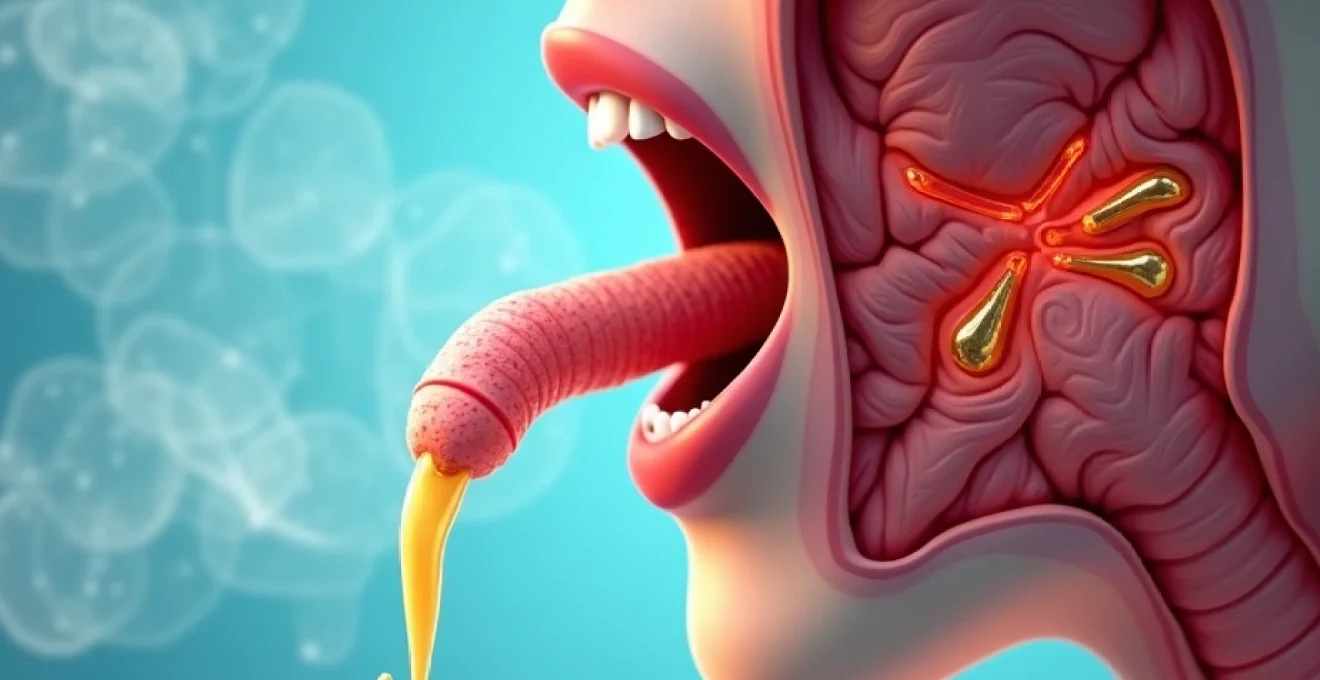
Post-nasal drip represents one of the most prevalent yet frustrating conditions affecting millions of individuals worldwide, with gag reflex stimulation emerging as a particularly distressing symptom. This complex physiological response occurs when excessive mucus accumulates in the nasopharyngeal region, triggering involuntary gagging sensations that can significantly impact quality of life. Understanding the intricate mechanisms behind this condition proves essential for developing effective treatment strategies that address both the underlying causes and symptomatic relief.
The relationship between post-nasal drip and gagging involves sophisticated neurological pathways and inflammatory processes that extend far beyond simple mucus production. Modern diagnostic approaches and therapeutic interventions have revolutionised management options, offering hope for patients experiencing chronic symptoms. From pharmaceutical solutions to advanced surgical techniques, the spectrum of available treatments continues to expand as medical understanding deepens.
Understanding Post-Nasal drip pathophysiology and gag reflex mechanisms
The physiological basis of post-nasal drip involves a complex interplay between mucociliary clearance mechanisms , inflammatory mediators, and neurological responses. Under normal circumstances, the human respiratory tract produces approximately 1-2 litres of mucus daily, serving crucial protective functions including particle filtration, pathogen neutralisation, and airway humidification. When this delicate balance becomes disrupted, excess mucus accumulates and flows posteriorly down the throat, creating the characteristic sensation of post-nasal drip.
Mucus hypersecretion and ciliary dysfunction in upper respiratory tract
Mucus hypersecretion occurs through multiple pathological mechanisms, primarily involving goblet cell hyperplasia and submucosal gland hypertrophy. These cellular changes result from chronic inflammatory stimulation, leading to increased production of high-molecular-weight mucins. The composition of pathological mucus differs significantly from normal secretions, containing elevated protein concentrations and altered rheological properties that impair natural clearance mechanisms.
Ciliary dysfunction represents another critical component in post-nasal drip development. The coordinated beating of respiratory cilia, typically occurring at frequencies of 1000-1500 beats per minute, becomes compromised due to inflammatory mediators, environmental toxins, or genetic factors. This impairment results in reduced mucociliary transport velocity, allowing mucus to accumulate in the nasopharyngeal region and subsequently trigger gag reflexes.
Vagus nerve stimulation and pharyngeal reflex arc activation
The gag reflex associated with post-nasal drip involves activation of the pharyngeal reflex arc, mediated primarily by the glossopharyngeal nerve (cranial nerve IX) and vagus nerve (cranial nerve X). When accumulated mucus contacts sensitive receptors in the posterior pharyngeal wall, soft palate, or tonsillar regions, mechanical stimulation triggers afferent signals that travel to the medullary respiratory centre.
This neurological cascade initiates protective responses designed to prevent aspiration, including involuntary muscle contractions of the pharyngeal constrictors, soft palate elevation, and laryngeal closure. The sensitivity of these reflexes varies considerably between individuals, explaining why some patients experience severe gagging whilst others tolerate similar mucus volumes without distress.
Histamine-mediated inflammatory response in nasopharyngeal tissues
Allergic mechanisms play a pivotal role in post-nasal drip pathogenesis through histamine-mediated inflammatory cascades. Following allergen exposure, mast cell degranulation releases histamine, leukotrienes, and prostaglandins, initiating immediate hypersensitivity reactions. These mediators increase vascular permeability, stimulate mucus secretion, and promote inflammatory cell recruitment to affected tissues.
The resulting mucosal oedema and hypersecretion create ideal conditions for post-nasal drip development. Chronic allergic inflammation leads to structural changes including basement membrane thickening, submucosal fibrosis, and persistent inflammatory cell infiltration, perpetuating symptom severity and duration.
Gastroesophageal reflux disease (GORD) contributing to posterior throat irritation
Laryngopharyngeal reflux (LPR), a manifestation of GORD, significantly contributes to post-nasal drip symptoms through direct acid exposure to pharyngeal tissues. Unlike typical GORD, LPR often occurs without classic heartburn symptoms, making diagnosis challenging. Acid reflux reaching the posterior pharynx causes mucosal irritation, inflammation, and reactive mucus production.
The relationship between GORD and post-nasal drip creates a self-perpetuating cycle where acid irritation stimulates mucus production, whilst excessive mucus swallowing can trigger additional reflux episodes. This bidirectional relationship explains why some patients experience nocturnal symptom exacerbation when supine positioning facilitates both reflux and mucus accumulation.
Clinical assessment and differential diagnosis of Post-Nasal drip
Comprehensive clinical evaluation forms the cornerstone of effective post-nasal drip management, requiring systematic assessment of symptoms, examination findings, and diagnostic investigations. The complexity of this condition demands a thorough understanding of differential diagnoses, as numerous pathological processes can mimic or contribute to post-nasal drip symptoms. Healthcare providers must consider allergic rhinitis, chronic rhinosinusitis, nasal polyposis, vasomotor rhinitis, and medication-induced rhinitis when evaluating patients.
Patient history collection should encompass symptom duration, seasonal variations, triggering factors, associated symptoms, and previous treatment responses. The presence of gagging specifically requires detailed characterisation including frequency, timing, relationship to meals or specific activities, and associated symptoms such as nausea or throat clearing. Understanding these patterns helps identify underlying mechanisms and guides appropriate therapeutic interventions.
Rhinoscopy and nasendoscopy examination techniques
Direct visualisation of nasal and nasopharyngeal structures provides invaluable diagnostic information for post-nasal drip evaluation. Anterior rhinoscopy using a nasal speculum allows assessment of the nasal vestibule, anterior septum, inferior turbinates, and visible portions of the middle meatus. This examination reveals structural abnormalities, mucosal inflammation, secretion characteristics, and the presence of polyps or masses.
Flexible nasendoscopy represents the gold standard for comprehensive upper airway evaluation, enabling visualisation of the entire nasal cavity, nasopharynx, and posterior pharyngeal wall. This technique allows direct observation of mucus flow patterns , mucosal colour and texture changes, and structural abnormalities that contribute to drainage impairment. The examination can also identify signs of acid reflux damage, including posterior pharyngeal cobblestoning and laryngeal erythema.
Allergy testing: skin prick tests and specific IgE RAST analysis
Allergy testing proves essential for identifying specific triggers in allergic post-nasal drip, with skin prick tests offering rapid, cost-effective screening for environmental allergens. These tests assess immediate hypersensitivity reactions to common aeroallergens including pollens, dust mites, moulds, and animal danders. Results typically become available within 15-20 minutes, allowing immediate patient education and treatment planning.
Specific IgE radioallergosorbent tests (RAST) provide quantitative measurement of allergen-specific antibodies, particularly useful when skin testing proves impractical due to medication use, skin conditions, or patient age. These blood tests offer advantages in terms of safety and convenience, though they may be less sensitive than skin tests for certain allergens. Component-resolved diagnostics represent an advanced approach, identifying specific protein allergens within complex extracts to improve treatment precision.
CT paranasal sinuses imaging for chronic rhinosinusitis detection
High-resolution computed tomography of the paranasal sinuses provides detailed anatomical information essential for diagnosing chronic rhinosinusitis and identifying structural abnormalities contributing to drainage impairment. CT imaging reveals mucosal thickening, fluid levels, air-fluid interfaces, and the presence of polyps or masses within the sinuses. This modality also assesses ostiomeatal complex patency, crucial for understanding drainage patterns and planning surgical interventions.
The Lund-Mackay scoring system standardises radiological findings, providing objective measurements of disease severity across different sinus regions. This scoring approach facilitates treatment decisions and enables monitoring of disease progression or response to therapy. Modern CT protocols utilise low-radiation techniques whilst maintaining diagnostic quality, making serial imaging feasible for chronic conditions.
Ph monitoring studies for laryngopharyngeal reflux assessment
Ambulatory pH monitoring provides objective assessment of acid exposure in patients with suspected laryngopharyngeal reflux contributing to post-nasal drip symptoms. Dual-sensor pH probes simultaneously measure acid levels in the distal oesophagus and pharynx, enabling differentiation between gastroesophageal and laryngopharyngeal reflux events. This 24-hour monitoring captures physiological acid exposure patterns during normal daily activities.
Impedance-pH monitoring represents an advanced technique that detects both acidic and non-acidic reflux episodes, providing comprehensive assessment of reflux burden. This technology proves particularly valuable for identifying weakly acidic reflux that may contribute to symptoms despite normal acid suppression therapy. Results guide therapeutic decisions regarding proton pump inhibitor therapy and lifestyle modifications.
Pharmaceutical interventions for Post-Nasal drip management
Pharmacological management of post-nasal drip requires a targeted approach based on underlying aetiology, symptom severity, and patient-specific factors. The therapeutic arsenal encompasses multiple drug classes, each addressing different aspects of the pathophysiological cascade. First-line treatments typically include antihistamines for allergic causes, nasal corticosteroids for inflammatory conditions, and decongestants for acute symptom relief. However, the selection and sequencing of these medications demand careful consideration of efficacy profiles, side effect patterns, and potential drug interactions.
Modern pharmaceutical approaches emphasise combination therapy strategies that address multiple pathways simultaneously. For instance, intranasal corticosteroids combined with antihistamines provide both anti-inflammatory effects and histamine receptor blockade, offering superior symptom control compared to monotherapy. Proton pump inhibitors play a crucial role when GORD contributes to symptoms, whilst mucolytic agents help reduce mucus viscosity and improve clearance mechanisms.
Personalised medicine principles increasingly guide pharmaceutical selection, considering patient genotype, phenotype, and previous treatment responses. Pharmacogenomic testing can identify patients who metabolise certain medications differently, enabling dose optimisation and reducing adverse effects. This approach proves particularly valuable for antihistamines, where genetic variations in cytochrome P450 enzymes significantly influence drug metabolism and efficacy.
The effectiveness of pharmaceutical interventions depends heavily on accurate diagnosis of the underlying cause, as treating allergic post-nasal drip with antibiotics or addressing reflux-related symptoms with antihistamines will yield suboptimal results.
Long-term pharmaceutical management requires regular reassessment and adjustment based on symptom evolution, seasonal variations, and treatment response. Some patients benefit from step-up approaches during symptom exacerbations, whilst others require continuous maintenance therapy to prevent symptom recurrence. Monitoring for side effects, particularly with long-term corticosteroid use, remains essential for maintaining treatment safety and tolerability.
Non-pharmacological treatment strategies and lifestyle modifications
Non-pharmacological interventions form the foundation of comprehensive post-nasal drip management, offering safe, cost-effective approaches that address both symptoms and underlying causes. These strategies encompass environmental modifications, lifestyle changes, physical techniques, and behavioural interventions that can significantly impact symptom severity and frequency. The beauty of these approaches lies in their accessibility and minimal side effect profiles, making them suitable for long-term implementation alongside or independent of pharmaceutical treatments.
Nasal irrigation represents one of the most effective non-pharmacological interventions, with numerous clinical studies demonstrating its efficacy in reducing post-nasal drip symptoms. This technique involves flushing the nasal cavities with isotonic saline solution, mechanically removing accumulated mucus, allergens, and inflammatory mediators. The osmotic effects of saline irrigation help reduce mucosal oedema whilst promoting natural ciliary function recovery. Proper technique and solution preparation prove critical for maximising benefits whilst avoiding potential complications such as infection or mucosal irritation.
Environmental control measures address allergen exposure and irritant avoidance, fundamental components of allergic post-nasal drip management. High-efficiency particulate air (HEPA) filtration systems remove airborne allergens and particles, whilst humidity control maintains optimal moisture levels between 30-50% to prevent mucosal drying without promoting mould growth. Temperature regulation, dust mite control measures, and pet allergen management create comprehensive environmental modifications that reduce symptom triggers.
Dietary modifications can significantly impact post-nasal drip symptoms, particularly when GORD contributes to the condition. Avoiding trigger foods such as spicy dishes, citrus fruits, chocolate, and caffeinated beverages helps reduce acid production and reflux episodes. Implementing proper meal timing, avoiding late evening meals, and maintaining appropriate portion sizes minimise reflux risk. Additionally, increasing fluid intake helps thin mucous secretions, facilitating natural clearance mechanisms and reducing the likelihood of gag reflex activation.
Sleep positioning strategies prove remarkably effective for reducing nocturnal post-nasal drip symptoms. Elevating the head of the bed by 6-8 inches utilises gravity to promote mucus drainage whilst reducing reflux episodes during sleep. Side sleeping positions can improve sinus drainage compared to supine positioning, particularly for unilateral sinus problems. Some patients benefit from specialised wedge pillows or adjustable beds that maintain optimal positioning throughout the night.
Advanced therapeutic options for refractory cases
When conventional treatments fail to provide adequate symptom relief, advanced therapeutic interventions offer hope for patients with refractory post-nasal drip. These sophisticated approaches address structural abnormalities, target specific pathophysiological mechanisms, or provide alternative therapeutic pathways for symptom management. The decision to pursue advanced therapies requires careful patient selection, thorough evaluation of risks and benefits, and consideration of patient preferences and expectations.
Turbinate reduction surgery and functional endoscopic sinus surgery (FESS)
Turbinate reduction surgery addresses inferior turbinate hypertrophy that contributes to nasal obstruction and altered airflow patterns leading to post-nasal drip. Multiple surgical techniques exist, including radiofrequency ablation, microdebrider-assisted turbinoplasty, and submucosal resection, each offering different advantages regarding efficacy, recovery time, and complication rates. These procedures aim to reduce turbinate volume whilst preserving physiological function and avoiding complications such as empty nose syndrome.
Functional endoscopic sinus surgery (FESS) represents the gold standard for treating chronic rhinosinusitis when medical management proves insufficient. This minimally invasive approach utilises endoscopic visualisation to restore sinus drainage pathways, remove inflammatory tissue, and address anatomical abnormalities. Modern FESS techniques incorporate image-guided navigation systems that enhance precision and safety whilst reducing operative time. Patient selection criteria include failed medical therapy, anatomical abnormalities, and evidence of chronic inflammatory changes on imaging studies.
Immunotherapy protocols for allergic rhinitis management
Allergen-specific immunotherapy offers disease-modifying treatment for allergic post-nasal drip by inducing immune tolerance to specific allergens. Subcutaneous immunotherapy (SCIT) involves regular injections of gradually increasing allergen concentrations over 3-5 years, whilst sublingual immunotherapy (SLIT) provides a safer, more convenient alternative through daily sublingual administration. Both approaches demonstrate long-term efficacy in reducing symptom severity and medication requirements.
The success of immunotherapy depends on accurate allergen identification, appropriate candidate selection, and adherence to treatment protocols. Candidates must demonstrate specific IgE sensitisation to clinically relevant allergens and experience symptoms during exposure periods. Treatment protocols follow standardised build-up and maintenance phases, with careful monitoring for adverse reactions. Long-term benefits include sustained symptom improvement, reduced medication dependence, and prevention of allergic march progression to asthma.
Botulinum toxin injections for chronic rhinorrhoea treatment
Botulinum toxin injections represent an innovative approach for managing severe, refractory rhinorrhoea associated with post-nasal drip. This treatment blocks acetylcholine release at nerve terminals, reducing parasympathetic stimulation of nasal glands and subsequently decreasing mucus production. The procedure involves precise injection of botul
inum toxin type A into specific nasal gland locations under endoscopic guidance. Effects typically last 3-6 months, requiring repeat treatments for sustained benefit.
Clinical studies demonstrate significant reductions in nasal discharge volume and post-nasal drip severity following botulinum toxin treatment. The procedure carries minimal systemic side effects due to localised administration, though temporary nasal dryness may occur. Patient selection criteria include failure of conventional treatments, absence of contraindications to botulinum toxin, and realistic expectations regarding treatment duration and repeat procedures.
Radiofrequency ablation of posterior nasal nerves
Radiofrequency ablation represents a minimally invasive technique for disrupting neural pathways responsible for excessive mucus production and post-nasal drip symptoms. This procedure targets the posterior nasal nerve branches, which provide parasympathetic innervation to nasal glands and mucosa. Controlled thermal energy delivery creates precise neural lesions that reduce glandular hypersecretion whilst preserving surrounding tissues.
The procedure utilises specialised radiofrequency electrodes inserted through the nasal cavity under endoscopic visualisation. Temperature-controlled ablation ensures consistent lesion formation whilst minimising thermal spread to adjacent structures. Treatment protocols typically involve multiple nerve targets to achieve comprehensive denervation of hypersecretory regions. Post-procedure monitoring includes assessment of mucus production changes and potential complications such as temporary numbness or altered taste sensation.
Long-term outcomes demonstrate sustained reductions in post-nasal drip symptoms for 12-18 months following treatment, with some patients experiencing longer-duration benefits. The minimally invasive nature of radiofrequency ablation makes it suitable for patients who cannot tolerate more extensive surgical procedures or prefer office-based treatments with minimal downtime.
Prevention protocols and long-term prognosis management
Effective prevention of post-nasal drip requires a multifaceted approach addressing underlying risk factors, environmental triggers, and lifestyle modifications that promote optimal upper respiratory tract health. The development of personalised prevention protocols depends on identifying specific triggers and implementing targeted interventions before symptom onset occurs. This proactive approach proves particularly valuable for patients with seasonal allergies, occupational exposures, or recurring infections.
Environmental allergen avoidance forms the cornerstone of allergic post-nasal drip prevention. This involves comprehensive assessment of indoor and outdoor allergen exposures, followed by systematic implementation of avoidance measures. HEPA air filtration systems, allergen-impermeable bedding covers, regular cleaning protocols, and humidity control create optimal indoor environments that minimise trigger exposure. Seasonal preparation strategies include pre-treatment with antihistamines or nasal corticosteroids before anticipated allergen exposure periods.
Immune system optimisation through lifestyle modifications significantly impacts post-nasal drip susceptibility. Regular exercise enhances immune function whilst reducing inflammatory mediator production. Adequate sleep duration and quality support natural immune responses and tissue repair mechanisms. Stress management techniques, including meditation, yoga, or counselling, help regulate cortisol levels and reduce inflammatory responses that contribute to mucus hypersecretion.
Nutritional interventions play crucial roles in prevention protocols, with specific nutrients supporting immune function and reducing inflammatory responses. Vitamin D supplementation proves particularly important, as deficiency correlates with increased respiratory infection susceptibility and allergic sensitisation. Omega-3 fatty acids demonstrate anti-inflammatory effects that may reduce post-nasal drip severity. Probiotics support gut microbiome health, which influences systemic immune responses and allergic tendencies.
Long-term prognosis for post-nasal drip varies significantly based on underlying aetiology, treatment compliance, and individual patient factors. Allergic causes typically respond well to comprehensive management approaches, with many patients achieving excellent symptom control through combination treatments. Chronic rhinosinusitis cases may require ongoing medical management or periodic surgical interventions to maintain optimal outcomes. Reflux-related symptoms often improve dramatically with appropriate acid suppression therapy and lifestyle modifications.
Regular monitoring and treatment adjustment prove essential for maintaining long-term symptom control. This includes periodic reassessment of triggers, treatment efficacy evaluation, and modification of prevention protocols based on changing circumstances. Patient education regarding trigger recognition, proper medication use, and when to seek medical attention empowers individuals to participate actively in their care management.
The integration of telemedicine technologies enables remote monitoring of symptoms, medication adherence tracking, and timely intervention for symptom exacerbations. Mobile applications can track symptom patterns, environmental exposures, and treatment responses, providing valuable data for optimising prevention protocols. This technological approach proves particularly beneficial for patients with seasonal variations or those requiring frequent treatment adjustments.
Success in post-nasal drip management requires patience, persistence, and willingness to adapt treatment approaches based on individual response patterns and changing life circumstances.
The future of post-nasal drip management continues to evolve with advances in precision medicine, novel therapeutic targets, and improved understanding of pathophysiological mechanisms. Emerging treatments including targeted biologics, advanced surgical techniques, and personalised immunotherapy protocols offer hope for patients with refractory symptoms. Research into biomarkers for treatment response prediction may enable more precise therapeutic selection and improved outcomes for this challenging condition.