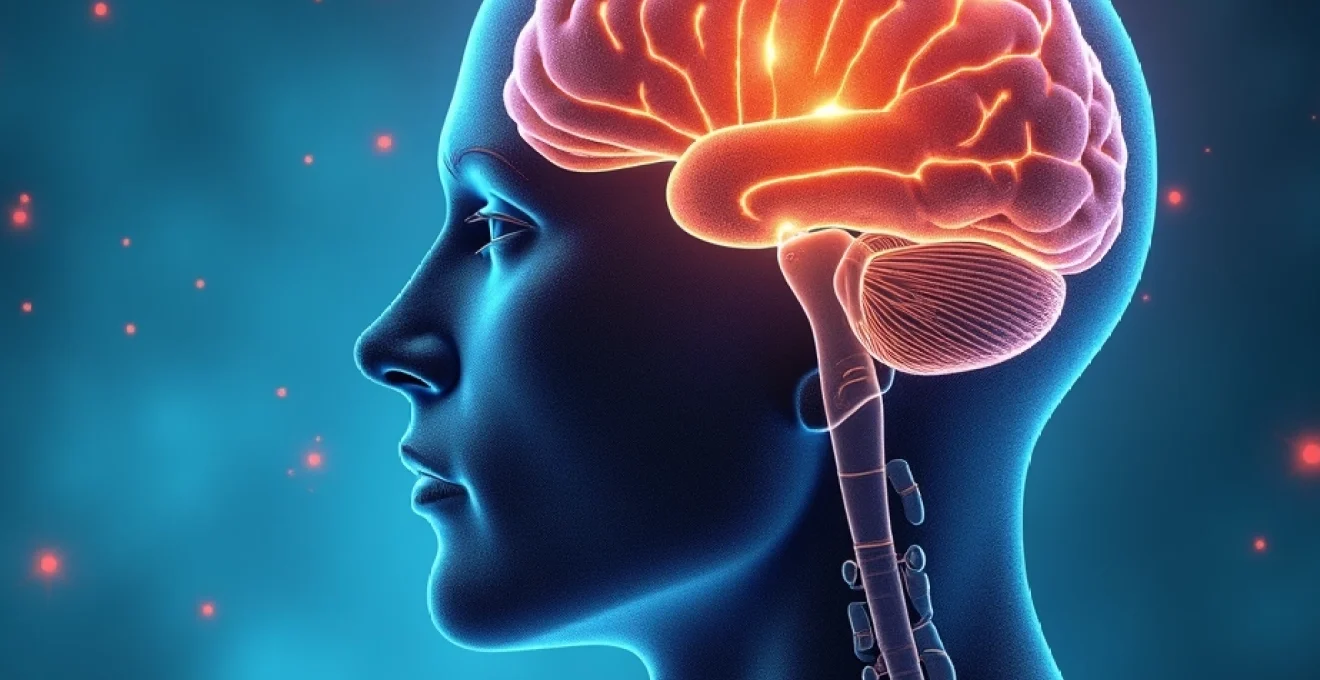
A heavy sensation in your head can be both perplexing and concerning, affecting your ability to concentrate, work effectively, and enjoy daily activities. This uncomfortable feeling, often described as pressure, fullness, or a weighted sensation, affects millions of people worldwide and can stem from numerous underlying causes. Understanding the neurological mechanisms behind these sensations is crucial for identifying appropriate treatment approaches and finding lasting relief.
The human head typically weighs between 10 and 12 pounds in a neutral position, yet certain conditions can make it feel significantly heavier. Modern lifestyle factors, including prolonged screen time, poor posture, and increased stress levels, have contributed to a rise in complaints about cranial heaviness. Medical professionals now recognise this symptom as a complex manifestation that requires comprehensive evaluation to determine its root cause.
Neurological mechanisms behind cephalic pressure sensations
The sensation of head heaviness originates from complex interactions within the nervous system, involving multiple pathways that can create feelings of pressure, fullness, or weighted discomfort. These neurological processes often overlap, making it challenging to pinpoint exact mechanisms without thorough clinical assessment.
Intracranial pressure dynamics and cerebrospinal fluid circulation
Cerebrospinal fluid (CSF) circulation plays a fundamental role in maintaining proper intracranial pressure. When this delicate balance is disrupted, either through overproduction, inadequate absorption, or circulation blockages, patients often experience sensations of heaviness or pressure throughout the cranial cavity. Normal CSF pressure ranges between 7-15 mmHg in healthy adults, and even slight variations can trigger uncomfortable sensations.
The brain’s ventricular system, which houses approximately 150ml of cerebrospinal fluid, undergoes continuous renewal approximately four times daily. Disruptions in this process, whether from stress, dehydration, or underlying medical conditions, can lead to subtle pressure changes that manifest as head heaviness. Think of it like a hydraulic system in a car – when pressure levels aren’t optimal, performance suffers and uncomfortable symptoms emerge.
Trigeminal nerve pathway activation and referred pain patterns
The trigeminal nerve, cranial nerve V, serves as the primary sensory pathway for facial and cranial sensations. When activated inappropriately, this extensive nerve network can generate referred sensations throughout the head and face region. Trigeminal nerve dysfunction often creates pressure sensations that patients describe as heaviness, particularly in the temporal, frontal, and occipital regions.
Recent neuroimaging studies have revealed that trigeminal nerve sensitisation can occur without obvious pathology, suggesting that functional changes in nerve conduction may contribute to chronic head pressure symptoms. This phenomenon, known as central sensitisation, explains why some individuals experience persistent heaviness despite normal structural brain imaging results.
Vascular congestion in cerebral blood vessels
Cerebral blood flow regulation involves intricate mechanisms that maintain consistent oxygen and nutrient delivery to brain tissue. When vascular congestion occurs, either through inflammation, hormonal fluctuations, or circulatory dysfunction, patients frequently report sensations of fullness or heaviness. Blood vessel dilation, particularly in the meningeal arteries, can create pressure sensations that radiate throughout the cranial cavity.
Venous congestion represents another significant factor in head heaviness. The brain’s venous drainage system, including the superior sagittal sinus and transverse sinuses, must efficiently remove deoxygenated blood and metabolic waste products. When venous return is compromised , perhaps due to neck muscle tension or positional factors, accumulated blood volume can create uncomfortable pressure sensations.
Tension-type headache pathophysiology and muscle contraction
Tension-type headaches represent the most common form of primary headache disorder, affecting up to 78% of the population at some point. The pathophysiology involves sustained muscle contractions in the cranial, cervical, and shoulder regions, creating referred sensations that patients often describe as heaviness rather than sharp pain. These muscle contractions can be triggered by stress, poor posture, or emotional tension.
Electromyographic studies have demonstrated increased muscle activity in the frontal, temporal, and suboccipital muscle groups during episodes of head heaviness. This sustained muscle tension creates a cascade of inflammatory mediators that sensitise surrounding nerve tissues, perpetuating the cycle of discomfort and pressure sensations.
Medical conditions causing heavy head syndrome
Numerous medical conditions can manifest with head heaviness as a primary or secondary symptom. Understanding these underlying pathologies is essential for developing targeted treatment approaches and achieving symptom resolution.
Chronic fatigue syndrome and Post-Exertional malaise symptoms
Chronic Fatigue Syndrome (CFS), now recognised as Myalgic Encephalomyelitis/Chronic Fatigue Syndrome (ME/CFS), commonly presents with neurological symptoms including head heaviness, cognitive dysfunction, and exercise intolerance. Post-exertional malaise, a hallmark feature of ME/CFS , often includes worsening head pressure following physical or mental exertion that would not typically cause problems in healthy individuals.
Research indicates that ME/CFS patients demonstrate altered cerebral blood flow patterns, particularly in regions responsible for cognitive processing and sensory integration. These vascular changes may contribute to the characteristic “heavy head” sensation that many patients describe as feeling like their brain is wrapped in cotton wool or submerged underwater.
Fibromyalgia-related cognitive fog and cervical muscle tension
Fibromyalgia affects approximately 2-4% of the population and frequently includes neurological manifestations beyond the characteristic widespread musculoskeletal pain. Patients with fibromyalgia commonly report head heaviness, particularly during cognitive tasks or periods of increased stress. The condition’s impact on sleep architecture and pain processing pathways creates a complex symptom profile that includes cranial pressure sensations.
Cervical muscle tension, particularly in the suboccipital and upper trapezius regions, represents a significant contributor to head heaviness in fibromyalgia patients. These muscles, when chronically contracted due to central sensitisation, create referred sensations that patients interpret as head pressure or heaviness. The muscle tension often correlates with fibromyalgia flare-ups , creating predictable patterns of symptom exacerbation.
Hypothyroidism-induced neurological manifestations
Thyroid dysfunction, particularly hypothyroidism, can create numerous neurological symptoms including head heaviness, cognitive slowing, and concentration difficulties. Thyroid hormones play crucial roles in maintaining proper cerebral blood flow, neurotransmitter synthesis, and cellular metabolism within the central nervous system.
When thyroid hormone levels are inadequate, patients frequently experience what medical professionals term “myxedema brain fog,” which includes sensations of head heaviness, mental sluggishness, and difficulty with cognitive processing. These symptoms often improve gradually with appropriate thyroid hormone replacement therapy, though complete resolution may take several months as brain tissue adapts to normalised hormone levels.
Sleep apnoea consequences on cerebral oxygenation
Obstructive Sleep Apnoea (OSA) affects approximately 25% of adults and creates significant impacts on nocturnal cerebral oxygenation. The repetitive episodes of breathing cessation during sleep lead to intermittent hypoxemia and hypercapnia, which can result in morning head heaviness, cognitive impairment, and persistent fatigue throughout the day.
The relationship between sleep apnoea and head heaviness involves complex mechanisms including altered intracranial pressure dynamics, disrupted sleep architecture, and chronic inflammation. Patients with untreated sleep apnoea often describe their morning head sensations as feeling “thick,” “heavy,” or “pressurised,” symptoms that typically improve throughout the day as oxygen levels normalise and carbon dioxide is cleared from brain tissue.
Migraine prodrome phase and aura phenomena
Migraine disorders affect approximately 15% of the global population and often include prodromal symptoms that can occur hours or days before the characteristic headache phase. During this prodrome period, patients frequently experience head heaviness, neck stiffness, and cognitive changes that herald the approaching migraine episode.
Migraine aura phenomena, experienced by roughly 25% of migraine sufferers, can include visual, sensory, or cognitive symptoms accompanied by head pressure sensations. The underlying cortical spreading depression that characterises migraine aura creates temporary alterations in brain function that patients often describe as head heaviness or unusual pressure sensations.
Environmental and lifestyle triggers for cranial heaviness
Modern environmental factors and lifestyle choices significantly contribute to the prevalence of head heaviness complaints. Understanding these triggers enables individuals to make targeted modifications that can reduce symptom frequency and severity.
Digital device usage represents one of the most significant contemporary contributors to head heaviness. The average person now spends over seven hours daily looking at screens, creating what researchers term “tech neck” – a constellation of symptoms including cervical muscle tension, forward head posture, and subsequent cranial pressure sensations. This forward head posture increases the effective weight of the head from its normal 10-12 pounds to potentially 40-60 pounds of force on the cervical spine, creating muscle strain that radiates into cranial sensations.
Poor workplace ergonomics compound these issues, with many individuals working at improperly positioned workstations that promote sustained muscle tension. Computer monitors positioned too low, inadequate lumbar support, and prolonged static posturing all contribute to the muscle chain dysfunction that can manifest as head heaviness. Research indicates that for every inch the head moves forward from its optimal position over the shoulders, the cervical muscles must work exponentially harder to maintain head position.
Environmental factors such as barometric pressure changes, air quality issues, and seasonal allergens also trigger head heaviness in susceptible individuals. Barometric pressure drops, which often precede weather changes, can affect sinus pressure and potentially influence intracranial pressure dynamics. Similarly, poor indoor air quality from inadequate ventilation, chemical off-gassing, or high particulate matter can create inflammatory responses that contribute to cranial discomfort.
Dietary triggers play a crucial role in head heaviness for many individuals. Dehydration, even mild levels of 2-3% fluid loss, can significantly impact cerebral function and create pressure sensations. Caffeine withdrawal, blood sugar fluctuations, and consumption of inflammatory foods can all trigger or exacerbate cranial heaviness. The timing of meals and hydration patterns throughout the day can significantly influence the occurrence and intensity of these symptoms.
Understanding the multifaceted nature of environmental triggers empowers individuals to identify their personal pattern of symptom triggers and develop targeted prevention strategies.
Diagnostic assessment protocols for head pressure complaints
Comprehensive evaluation of head heaviness requires systematic assessment protocols that consider neurological, musculoskeletal, and systemic factors. Healthcare providers typically begin with detailed history-taking that explores symptom patterns, triggers, associated features, and impact on daily functioning.
The diagnostic process often includes neurological examination focusing on cranial nerve function, reflexes, coordination, and cognitive assessment. Cervical spine evaluation represents a crucial component , as dysfunction in this region frequently contributes to cranial symptoms. Healthcare providers assess neck range of motion, muscle tension patterns, and postural alignment to identify mechanical contributors to head heaviness.
Laboratory investigations may include thyroid function tests, vitamin B12 and D levels, inflammatory markers, and complete blood count to identify systemic causes. Sleep studies might be recommended when symptoms suggest sleep-disordered breathing, while neuroimaging studies are typically reserved for cases with concerning neurological features or progressive symptoms.
Specialised assessments may include vestibular function testing when balance issues accompany head heaviness, or comprehensive migraine evaluations when headache features are present. The diagnostic approach must be individualised based on presenting symptoms, medical history, and clinical examination findings to ensure appropriate identification of underlying causes.
Evidence-based treatment modalities and management strategies
Effective management of head heaviness requires multimodal approaches that address underlying causes while providing symptomatic relief. Treatment strategies must be tailored to individual presentation patterns and underlying contributing factors identified during diagnostic evaluation.
Pharmacological interventions may include muscle relaxants for tension-related symptoms, tricyclic antidepressants for chronic pain patterns, or specific medications targeting underlying conditions such as thyroid hormone replacement or migraine preventatives. The choice of medication depends heavily on the identified underlying pathophysiology and individual patient factors including comorbidities and medication tolerance.
Non-pharmacological treatments often form the cornerstone of management, with manual therapy techniques showing particular promise. Cervical spine manipulation, soft tissue mobilisation, and trigger point therapy can address musculoskeletal contributors to head heaviness. Physiotherapy programs focusing on postural correction, neck strengthening, and ergonomic education provide long-term benefits for many patients.
Lifestyle modifications represent essential treatment components that patients can implement independently. These include ergonomic workplace adjustments, regular movement breaks during prolonged sitting, stress management techniques, and sleep hygiene improvements. Hydration optimisation, with targeted intake of 35ml per kilogram of body weight daily, often provides significant symptom improvement.
The integration of multiple treatment modalities, rather than relying on single interventions, typically provides the most comprehensive and lasting relief from head heaviness symptoms.
Alternative therapies such as acupuncture, biofeedback, and mindfulness-based stress reduction have demonstrated efficacy in clinical trials for head pressure symptoms. These approaches can be particularly valuable for individuals seeking non-pharmacological options or those with medication sensitivities. Regular monitoring and treatment adjustment ensure optimal outcomes and prevent symptom progression or complications.