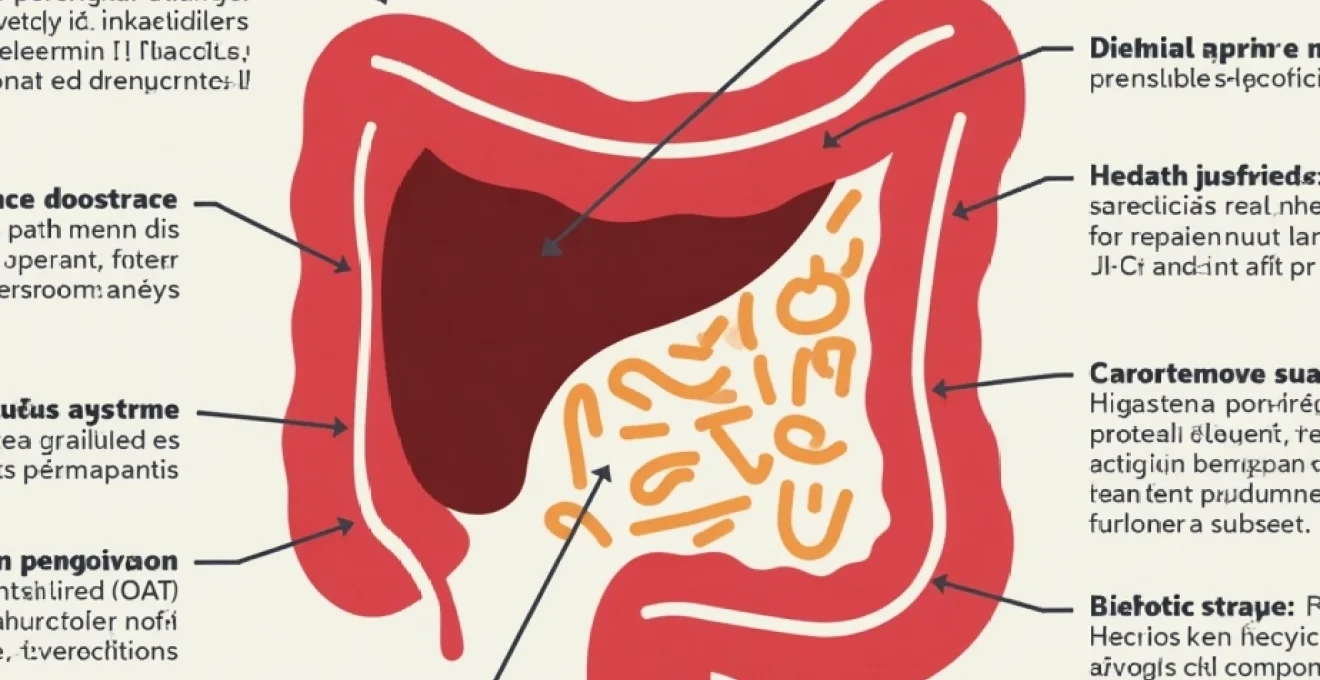
Lactobacillus overgrowth represents a complex clinical condition that challenges conventional understanding of beneficial bacteria. While these microorganisms typically support digestive health and immune function, excessive proliferation can trigger significant symptoms including brain fog, abdominal distention, and systemic inflammation. This paradoxical situation occurs when protective bacterial strains exceed optimal population levels, disrupting normal gastrointestinal physiology and creating an environment conducive to metabolic dysfunction.
The clinical presentation of Lactobacillus overgrowth often mimics other digestive disorders, making accurate diagnosis particularly challenging for healthcare practitioners. Patients frequently report neurological symptoms alongside gastrointestinal complaints, creating a complex symptom profile that requires sophisticated diagnostic approaches. Understanding the underlying mechanisms and implementing targeted treatment strategies becomes essential for restoring optimal microbial balance and resolving associated health complications.
Understanding lactobacillus overgrowth pathophysiology and clinical manifestations
The pathophysiology of Lactobacillus overgrowth involves multiple interconnected mechanisms that disrupt normal intestinal function. When beneficial bacteria populations exceed physiological limits, they begin producing excessive amounts of metabolic byproducts that can overwhelm the body’s capacity for processing and elimination. This metabolic overload creates a cascade of inflammatory responses throughout the digestive system, affecting both local and systemic health.
Clinical manifestations typically include digestive symptoms such as bloating, gas production, and altered bowel movements, alongside neurological symptoms including cognitive impairment and mood disturbances. The severity of symptoms often correlates with the degree of bacterial overgrowth and individual patient susceptibility factors. Many patients experience cyclical symptom patterns that coincide with dietary changes or stress levels, suggesting complex interactions between microbial populations and environmental triggers.
Small intestinal bacterial overgrowth (SIBO) mechanisms in lactobacillus proliferation
Small intestinal bacterial overgrowth involving Lactobacillus species occurs when these normally beneficial organisms migrate from their preferred colonic environment into the small intestine. This translocation disrupts the delicate balance of the small intestinal microbiome, where bacterial populations should remain relatively low to facilitate optimal nutrient absorption. The altered bacterial composition interferes with normal digestive processes and creates conditions favourable for continued overgrowth.
Motility disorders represent a primary contributing factor to Lactobacillus-predominant SIBO development. When normal intestinal motility becomes impaired, the natural cleansing waves that prevent bacterial accumulation in the small intestine lose their effectiveness. This creates stagnant areas where bacteria can proliferate unchecked, leading to progressive colonisation and symptom development.
D-lactic acidosis syndrome and neurological symptom presentations
D-lactic acidosis syndrome emerges as one of the most concerning complications of Lactobacillus overgrowth. These bacteria produce significant quantities of D-lactate, a metabolic byproduct that human enzymes cannot efficiently process. When D-lactate accumulates in the bloodstream, it crosses the blood-brain barrier and interferes with normal neurological function, creating the characteristic brain fog and cognitive impairment associated with this condition.
Neurological symptoms often include confusion, difficulty concentrating, short-term memory problems, and altered consciousness levels. Some patients report feeling intoxicated despite no alcohol consumption, reflecting the neurotoxic effects of accumulated D-lactate. These symptoms can fluctuate throughout the day and may worsen following carbohydrate consumption, as additional substrate becomes available for bacterial fermentation.
Carbohydrate malabsorption and fermentation byproduct accumulation
Excessive Lactobacillus populations in the small intestine compete with normal digestive processes for available carbohydrate substrates. This competition leads to premature fermentation of dietary carbohydrates before proper absorption can occur. The resulting fermentation products include various organic acids, alcohols, and gases that contribute to symptom development and systemic toxicity.
The accumulation of fermentation byproducts creates an increasingly acidic intestinal environment that further disrupts normal digestive function. Short-chain fatty acid production becomes excessive, overwhelming the intestine’s capacity for appropriate utilisation. This metabolic imbalance affects nutrient absorption and can contribute to deficiencies in essential vitamins and minerals, particularly B-vitamins and fat-soluble vitamins.
Intestinal permeability changes and inflammatory cascade activation
Chronic Lactobacillus overgrowth contributes to increased intestinal permeability through multiple mechanisms. The excessive production of metabolic byproducts irritates the intestinal lining, while the altered microbial composition affects tight junction integrity. This increased permeability allows larger molecules to cross the intestinal barrier, triggering immune responses and systemic inflammation.
The inflammatory cascade that follows involves both local and systemic immune activation. Pro-inflammatory cytokines increase throughout the body, contributing to symptoms beyond the digestive system. This systemic inflammation can affect energy levels, mood regulation, and cognitive function, explaining the diverse symptom profile observed in patients with significant Lactobacillus overgrowth.
Diagnostic testing protocols for lactobacillus overgrowth identification
Accurate diagnosis of Lactobacillus overgrowth requires a comprehensive testing approach that evaluates multiple aspects of gastrointestinal function and microbial composition. No single test provides definitive diagnosis, necessitating the integration of multiple diagnostic modalities to create a complete clinical picture. The diagnostic process must distinguish Lactobacillus overgrowth from other conditions with similar presentations while identifying contributing factors that may require concurrent treatment.
The complexity of Lactobacillus overgrowth diagnosis stems from the fact that these organisms are normally present in healthy individuals. Testing must therefore focus on identifying excessive populations, inappropriate anatomical distribution, and functional consequences of overgrowth rather than simply detecting bacterial presence. This nuanced approach requires careful interpretation of test results within the context of clinical presentation and symptom patterns.
Comprehensive digestive stool analysis (CDSA) microbial profiling
Comprehensive digestive stool analysis provides detailed information about microbial populations throughout the digestive tract. This testing modality can identify excessive Lactobacillus populations and assess overall microbial diversity, revealing imbalances that may contribute to overgrowth development. Advanced CDSA testing includes culture-based methods and molecular techniques that provide complementary information about bacterial abundance and metabolic activity.
The interpretation of CDSA results requires consideration of normal physiological variation and individual patient factors. Excessive Lactobacillus populations may indicate overgrowth, particularly when accompanied by reduced bacterial diversity or the absence of other beneficial species. The presence of opportunistic organisms alongside Lactobacillus elevation suggests ecosystem disruption that may require targeted intervention strategies.
Lactulose-mannitol ratio testing for intestinal permeability assessment
Lactulose-mannitol ratio testing evaluates intestinal barrier function by measuring the differential absorption of two sugar molecules with different sizes. This test provides valuable information about intestinal permeability changes associated with Lactobacillus overgrowth. Elevated lactulose absorption indicates increased intestinal permeability, while reduced mannitol absorption suggests compromised absorptive capacity.
The relationship between intestinal permeability and Lactobacillus overgrowth involves bidirectional causation. Overgrowth can contribute to increased permeability through inflammatory mechanisms, while pre-existing permeability issues may predispose individuals to bacterial overgrowth development. Understanding this relationship helps guide treatment prioritisation and monitoring strategies throughout the therapeutic process.
Organic acids testing (OAT) for D-Lactate and arabinose markers
Organic acids testing provides direct measurement of metabolic byproducts associated with Lactobacillus overgrowth. Elevated D-lactate levels indicate excessive Lactobacillus fermentation activity, while other organic acid markers can reveal additional microbial imbalances. The arabinose marker specifically indicates yeast overgrowth, which often coexists with bacterial overgrowth conditions and may require concurrent treatment.
The timing of organic acids testing requires careful consideration of dietary factors and recent antibiotic exposure. Patients should maintain their usual diet for several days before testing to ensure accurate representation of their baseline microbial activity. The presence of multiple elevated organic acid markers suggests complex microbial imbalances that may require comprehensive treatment approaches rather than targeted antimicrobial therapy alone.
Breath testing methodologies using glucose and lactulose substrates
Breath testing protocols utilise the measurement of hydrogen and methane gases produced by bacterial fermentation to identify small intestinal bacterial overgrowth. Glucose breath testing specifically evaluates bacterial activity in the proximal small intestine, while lactulose testing assesses bacterial populations throughout the small intestinal tract. Both substrates can reveal Lactobacillus overgrowth when these organisms are present in inappropriate anatomical locations.
The interpretation of breath testing results requires understanding of normal gas production patterns and individual patient factors that may affect test accuracy. Proton pump inhibitor use, recent antibiotic exposure, and certain dietary restrictions can influence test results and may necessitate test modification or repeat testing. The combination of hydrogen and methane measurements provides more comprehensive information than either measurement alone.
Antimicrobial treatment strategies and pharmaceutical interventions
Antimicrobial therapy for Lactobacillus overgrowth requires careful consideration of treatment selectivity and potential consequences for overall microbial balance. Unlike pathogenic bacterial infections, Lactobacillus overgrowth involves beneficial organisms that have exceeded optimal population levels rather than inherently harmful microbes. Treatment strategies must therefore focus on population reduction rather than complete elimination while simultaneously supporting the restoration of microbial diversity and balance.
The selection of appropriate antimicrobial agents depends on multiple factors including symptom severity, patient tolerance, concurrent health conditions, and previous treatment responses. Sequential treatment approaches often prove more effective than aggressive combination therapies, allowing for careful monitoring of patient response and adjustment of treatment intensity as needed. The goal involves achieving symptom resolution while maintaining beneficial microbial populations that support long-term digestive health.
Rifaximin therapy protocols and dosage optimisation
Rifaximin represents a preferred pharmaceutical option for treating Lactobacillus overgrowth due to its minimal systemic absorption and selective activity against small intestinal bacteria. Standard protocols typically involve 400-550mg three times daily for 10-14 days, though some patients may require extended treatment courses or repeated cycles. The localised action of rifaximin minimises disruption to colonic microbial populations while effectively reducing excessive small intestinal bacterial loads.
Dosage optimisation may require individualisation based on patient response and symptom severity. Some practitioners utilise lower doses for longer durations to achieve gradual population reduction with minimal side effects. Monitoring patient response throughout treatment allows for protocol adjustments that maximise therapeutic benefit while minimising potential adverse effects. Combination with other supportive therapies often enhances overall treatment effectiveness.
Herbal antimicrobial combinations: berberine, oregano oil, and allicin
Herbal antimicrobial agents offer effective alternatives to pharmaceutical interventions for managing Lactobacillus overgrowth. Berberine demonstrates broad-spectrum antimicrobial activity while supporting healthy glucose metabolism and inflammation reduction. Oregano oil contains carvacrol and thymol compounds that effectively reduce bacterial overgrowth while maintaining selectivity for pathogenic and overgrown organisms. Allicin from garlic provides additional antimicrobial effects with cardiovascular and immune system benefits.
The combination of multiple herbal antimicrobials often proves more effective than single-agent therapy while reducing the likelihood of resistance development. Synergistic interactions between different compounds can enhance overall antimicrobial activity while providing additional health benefits. Treatment protocols typically involve 4-6 week courses with careful monitoring of patient response and side effect development. Cycling different herbal combinations may prevent adaptation and maintain treatment effectiveness.
Probiotic strain selection for competitive exclusion therapy
Strategic probiotic supplementation can support Lactobacillus overgrowth treatment through competitive exclusion mechanisms. Specific strains such as Saccharomyces boulardii, Bacillus coagulans, and certain Bifidobacterium species can help restore microbial balance without contributing to existing overgrowth. These organisms compete for nutrients and attachment sites while producing beneficial metabolites that support overall digestive health.
The timing of probiotic introduction requires careful consideration within the treatment protocol. Early introduction during antimicrobial therapy may reduce treatment effectiveness, while delayed introduction may allow overgrowth recurrence. Most practitioners recommend initiating probiotic therapy during the latter portion of antimicrobial treatment or immediately following completion. Strain rotation and gradual dose escalation help ensure optimal patient tolerance and therapeutic benefit.
Biofilm disruption agents: N-Acetylcysteine and nattokinase applications
Biofilm formation represents a significant challenge in treating persistent Lactobacillus overgrowth. These protective bacterial matrices resist antimicrobial penetration and create microenvironments that support continued bacterial proliferation. N-acetylcysteine disrupts biofilm structure through mucolytic action while providing antioxidant benefits and supporting glutathione production. Nattokinase offers fibrinolytic activity that can break down protein components of biofilm matrices.
The integration of biofilm disruption agents into treatment protocols often improves antimicrobial effectiveness and reduces treatment resistance. These agents should typically be administered 30-60 minutes before antimicrobial therapy to maximise biofilm disruption and antimicrobial penetration. The duration of biofilm disruption therapy often extends beyond antimicrobial treatment to ensure complete matrix dissolution and prevent rapid biofilm reformation.
Dietary modification approaches for lactobacillus population control
Dietary interventions play a crucial role in managing Lactobacillus overgrowth by removing bacterial substrates and supporting optimal microbial balance. The approach involves temporarily restricting fermentable carbohydrates that fuel excessive bacterial growth while ensuring adequate nutrition for overall health maintenance. These modifications must be carefully planned to avoid nutrient deficiencies while achieving therapeutic goals.
The implementation of dietary restrictions requires individual customisation based on symptom severity, food tolerances, and nutritional status. Some patients may require very restrictive approaches initially, while others can achieve symptom control with moderate modifications. The duration of dietary restrictions typically ranges from 4-12 weeks, with gradual reintroduction of restricted foods as bacterial populations normalise and symptoms improve.
Low-fermentation diets such as the Specific Carbohydrate Diet (SCD) or Low FODMAP protocol can effectively reduce substrate availability for excessive Lactobacillus populations. These approaches eliminate complex carbohydrates, certain fibres, and sugar alcohols that promote bacterial fermentation. The selection between different dietary approaches depends on individual patient factors and practitioner preferences, with some patients responding better to specific protocols.
Carbohydrate timing and distribution throughout the day can significantly impact bacterial feeding patterns and symptom development. Smaller, more frequent meals help prevent large substrate loads that overwhelm digestive capacity and promote excessive fermentation. Some patients benefit from eliminating carbohydrates entirely during acute treatment phases, though this approach requires careful monitoring to prevent nutritional complications and ensure patient safety.
The quality and source of dietary carbohydrates matter significantly in managing Lactobacillus overgrowth. Refined sugars and processed carbohydrates provide readily available substrates that rapidly fuel bacterial growth, while complex carbohydrates from whole food sources may be better tolerated. Some patients can maintain certain fruits and vegetables while eliminating grains and added sugars, allowing for more sustainable long-term dietary approaches.
The strategic elimination of fermentable substrates creates an environment unfavourable to excessive bacterial proliferation while supporting the restoration of balanced microbial populations.
Meal spacing and intermittent fasting protocols can provide additional benefits in managing Lactobacillus overgrowth. Extending periods between meals allows bacterial populations to utilise available substrates without constant replenishment, potentially reducing overall bacterial loads. Some practitioners recommend 16-hour fasting windows with 8-hour feeding periods, though this approach requires individualisation based on patient tolerance and health status.
Gut microbiome restoration and Long-Term management protocols
Successful long-term management of Lactobacillus overgrowth extends beyond initial bacterial population reduction to encompass comprehensive microbiome restoration and maintenance strategies. The restoration process involves supporting microbial diversity, optimising digestive function, and addressing underlying factors that contributed to initial overgrowth development
. The foundation for sustainable recovery requires addressing root causes while implementing supportive therapies that promote optimal microbial ecology and digestive resilience.
Microbiome restoration involves a systematic approach to rebuilding beneficial bacterial populations while preventing recurrent overgrowth episodes. This process typically requires 3-6 months of dedicated intervention, with ongoing maintenance protocols to sustain achieved improvements. The restoration phase must carefully balance bacterial recolonisation with continued monitoring for signs of returning overgrowth patterns.
Prebiotic supplementation plays a crucial role in supporting beneficial bacterial populations during the restoration phase. Targeted prebiotics such as partially hydrolysed guar gum, acacia fiber, and inulin provide selective nutrition for desirable bacterial species while avoiding substrates that fuel problematic overgrowth. The introduction of prebiotics must be gradual and carefully monitored to prevent symptom recurrence during the restoration process.
Digestive enzyme supplementation supports optimal nutrient breakdown and absorption while reducing substrate availability for bacterial fermentation. Pancreatic enzymes, betaine HCl, and brush border enzymes help ensure complete carbohydrate digestion before reaching areas prone to bacterial overgrowth. This enzymatic support often proves essential during the restoration phase when digestive function may remain compromised from previous overgrowth episodes.
Motility support represents another critical component of long-term management protocols. Prokinetic agents such as low-dose naltrexone, ginger extract, or prescription medications like domperidone help restore normal intestinal transit times that prevent bacterial accumulation. Addressing underlying motility disorders often proves essential for preventing recurrent overgrowth development regardless of other treatment success.
Comprehensive microbiome restoration requires patience and persistence, as beneficial bacterial populations need time to establish stable colonisation patterns and restore normal digestive function.
Stress management interventions significantly impact microbiome restoration success through the gut-brain axis. Chronic stress alters intestinal motility, immune function, and bacterial composition in ways that favour overgrowth development. Implementing stress reduction techniques such as meditation, yoga, or counselling supports optimal treatment outcomes and long-term maintenance of microbial balance.
Monitoring treatment response and preventing recurrent overgrowth episodes
Effective monitoring protocols enable practitioners to assess treatment progress and make necessary adjustments throughout the therapeutic process. Regular symptom tracking provides valuable insights into treatment effectiveness while allowing for early detection of potential complications or treatment resistance. The monitoring approach must balance objective measurements with subjective symptom assessment to create a comprehensive picture of patient progress.
Symptom severity scoring systems help quantify treatment response and guide therapeutic decisions. Patients can track digestive symptoms, neurological manifestations, and energy levels using standardised scales that enable meaningful comparison over time. Digital health platforms and symptom tracking applications facilitate consistent data collection while providing visual representations of progress patterns that motivate continued compliance with treatment protocols.
Follow-up testing protocols should be implemented at strategic intervals throughout treatment to assess bacterial population changes and metabolic improvements. Repeat organic acids testing after 6-8 weeks of treatment can demonstrate reductions in D-lactate and other overgrowth markers. Breath testing may be repeated after antimicrobial protocols to confirm successful bacterial population reduction in the small intestine.
The development of personalised maintenance protocols prevents recurrent overgrowth episodes while supporting long-term digestive health. These protocols typically include modified dietary approaches that maintain adequate nutrition while avoiding excessive fermentable substrate loads. Some patients may require periodic antimicrobial courses or ongoing probiotic supplementation to maintain optimal bacterial balance, particularly if underlying risk factors cannot be completely addressed.
Risk factor modification represents the most effective strategy for preventing recurrent Lactobacillus overgrowth episodes. This includes addressing underlying conditions such as diabetes, hypothyroidism, or structural abnormalities that predispose individuals to bacterial overgrowth development. Medication adjustments may be necessary if certain pharmaceuticals contribute to motility disorders or microbial imbalances that favour overgrowth conditions.
Dietary reintroduction strategies require careful planning to prevent symptom recurrence while expanding food choices for long-term sustainability. The gradual reintroduction of previously restricted foods allows for identification of specific triggers while maintaining treatment gains. Some patients may need to permanently avoid certain high-fermentation foods, while others can eventually tolerate moderate amounts of previously problematic substrates.
Regular follow-up appointments enable ongoing assessment of treatment response and protocol adjustments as needed. These appointments provide opportunities to address emerging symptoms, modify treatment approaches, and provide patient education about long-term management strategies. The frequency of follow-up visits typically decreases as patients achieve stable symptom control and demonstrate understanding of maintenance protocols.
Early intervention protocols should be established for managing minor symptom recurrences before they progress to full overgrowth episodes. Patients can be educated about warning signs and provided with specific strategies for managing early symptoms through dietary modifications, targeted supplementation, or brief antimicrobial courses. This proactive approach often prevents the need for extensive treatment protocols and maintains long-term treatment success.
The integration of functional medicine approaches with conventional treatments often provides the most comprehensive management strategy for Lactobacillus overgrowth. This includes addressing nutrient deficiencies, hormonal imbalances, and environmental factors that contribute to microbial dysbiosis. The collaborative care model involving multiple healthcare providers can address the complex, multisystem nature of bacterial overgrowth conditions while providing patients with comprehensive support throughout their treatment journey.