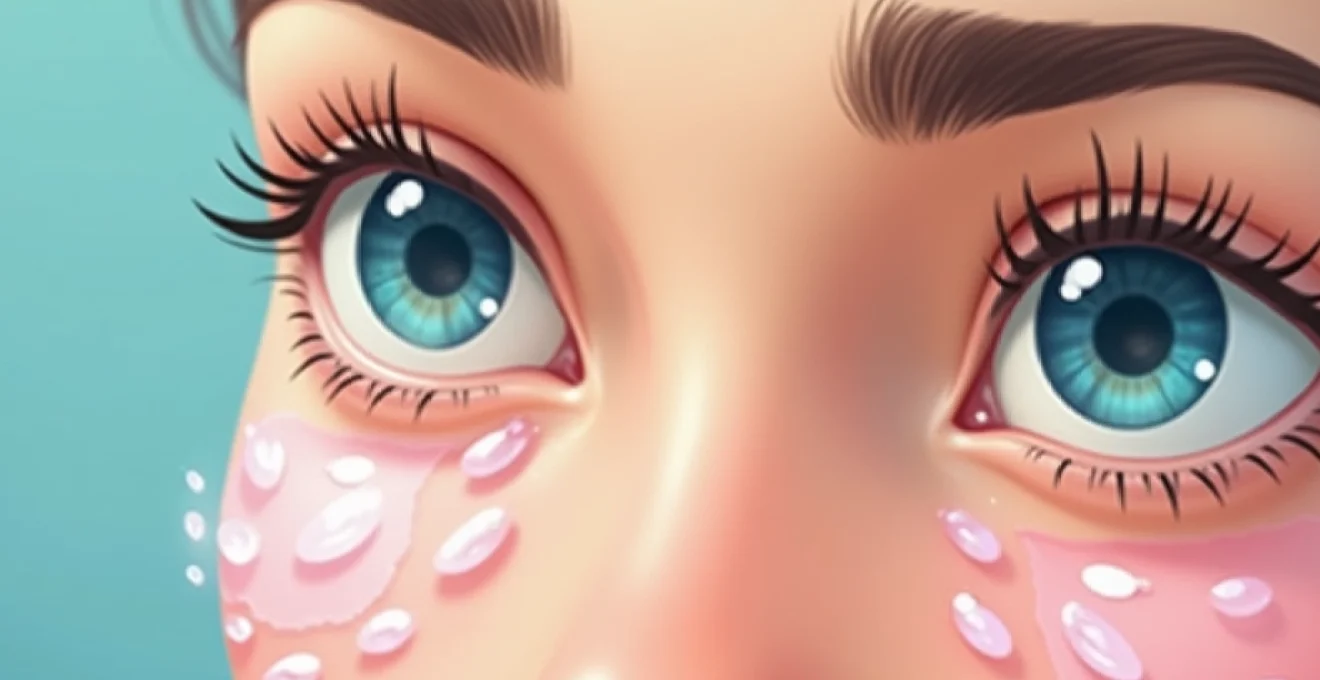
The aftermath of an emotional release often leaves us with telltale signs of our vulnerability: puffy, swollen eyes that seem to announce to the world that we’ve had a good cry. Whether triggered by grief, joy, or stress, crying is a natural human response that serves important psychological and physiological functions. However, the resulting periorbital oedema can persist for hours, creating discomfort and self-consciousness when you need to face the world again.
Understanding the complex cascade of physiological responses that occur during emotional crying provides the foundation for effective treatment strategies. When tears flow, your body initiates a series of vascular and inflammatory responses that, whilst serving protective purposes, often result in the characteristic swelling and redness around the eyes. The good news is that numerous evidence-based interventions can significantly accelerate the resolution of these symptoms, allowing you to restore your appearance and comfort more quickly.
Understanding the physiological mechanisms behind Crying-Induced periorbital oedema
The process of crying triggers a complex physiological response that extends far beyond simple tear production. Your body’s reaction to emotional stress involves multiple systems working in concert, creating the perfect conditions for fluid accumulation around the delicate eye area. This understanding forms the basis for targeted treatment approaches that address each contributing factor.
Lacrimal gland hypersecretion and tear film overflow dynamics
During emotional crying, your lacrimal glands dramatically increase tear production, often exceeding the drainage capacity of the nasolacrimal duct system. This hypersecretion response can produce up to 10 times the normal tear volume, overwhelming the natural drainage pathways that typically handle basal tear production efficiently. The excess tears that cannot be drained away through normal channels begin to accumulate in the tissues surrounding the eyes.
The tear film itself contains not only water but also proteins, electrolytes, and various bioactive compounds that can trigger localised inflammatory responses when present in excessive quantities. This protein-rich fluid creates an osmotic gradient that draws additional water into the periorbital tissues, contributing to the characteristic puffiness associated with crying episodes.
Capillary vasodilation and increased vascular permeability response
Emotional stress activates your sympathetic nervous system, leading to the release of stress hormones such as cortisol and adrenaline. Paradoxically, this initial vasoconstriction is followed by a rebound vasodilation effect, particularly in the delicate capillary networks surrounding the eyes. This vascular response pattern increases blood flow to the area whilst simultaneously making the vessel walls more permeable to fluid.
The increased vascular permeability allows plasma proteins and fluid to leak from the bloodstream into the surrounding tissues. The periorbital area is particularly susceptible to this effect due to its loose connective tissue structure and extensive capillary network, making it an ideal location for fluid accumulation and swelling.
Histamine release and inflammatory cascade activation
Emotional crying triggers the release of various inflammatory mediators, including histamine, prostaglandins, and leukotrienes. These substances create a localised inflammatory response that, whilst protective in nature, contributes significantly to the swelling and redness observed after crying. Histamine, in particular, causes vasodilation and increases vascular permeability, amplifying the fluid retention effect.
The inflammatory cascade also attracts immune cells to the area, which release additional inflammatory mediators and contribute to tissue swelling. This process can persist for several hours after the initial crying episode, explaining why periorbital oedema often worsens before it begins to improve naturally.
Sodium retention and interstitial fluid accumulation patterns
Tears contain significant amounts of sodium chloride, and prolonged crying can lead to localised changes in electrolyte balance within the periorbital tissues. The high sodium content of tears can create osmotic gradients that promote water retention in the surrounding tissues. Additionally, the physical act of rubbing or wiping the eyes during crying can cause mechanical trauma to the delicate skin, leading to increased inflammation and fluid retention.
The interstitial spaces around the eyes have a limited capacity for lymphatic drainage, meaning that once fluid accumulates, it tends to remain trapped until the inflammatory response subsides or active measures are taken to promote drainage. Understanding this mechanism explains why some individuals experience more prolonged swelling than others, particularly those with naturally slower lymphatic drainage or pre-existing conditions that affect fluid balance.
Immediate cold therapy interventions for acute periorbital swelling
Cold therapy represents one of the most effective and rapidly acting interventions for reducing crying-induced eye swelling. The application of cold temperatures triggers vasoconstriction, reducing blood flow to the affected area and limiting further fluid extravasation. Additionally, cold therapy provides immediate symptomatic relief by numbing the area and reducing the sensation of puffiness and discomfort.
Cryotherapy application using ice cube compression techniques
Direct ice application offers powerful anti-inflammatory effects, but requires careful technique to prevent tissue damage. Wrap ice cubes in a clean, thin cloth or paper towel to create a protective barrier between the ice and your skin. Apply gentle pressure to the swollen areas for 10-15 minute intervals , allowing your skin to return to normal temperature between applications to prevent frostbite or thermal injury.
The optimal approach involves applying ice for 15 minutes, then removing it for 15 minutes, repeating this cycle three to four times. This intermittent application prevents tissue damage whilst maximising the anti-inflammatory benefits. Focus on the areas of greatest swelling, typically the lower eyelids and the area immediately beneath the eyes where fluid tends to accumulate most readily.
Frozen spoon method for targeted vasoconstriction
Chilled metal spoons provide an excellent alternative to ice, offering more controlled temperature application and better conformity to the eye area’s natural contours. Place four clean metal spoons in your freezer for at least 20 minutes, then apply the curved side against the swollen areas, using gentle pressure and small circular motions. The metal conducts cold efficiently whilst the curved shape provides comfortable contact with the orbital bone structure.
As each spoon warms from body heat, replace it with a fresh one from the freezer, maintaining consistent cold exposure for maximum therapeutic benefit. This method allows for more precise application than ice and reduces the risk of excessive moisture from melting ice affecting the delicate eye area. The gentle massage action also promotes lymphatic drainage, enhancing the overall effectiveness of the treatment.
Cold cucumber slice placement for natural Anti-Inflammatory relief
Cucumber slices offer both cooling effects and natural anti-inflammatory compounds, making them particularly effective for crying-related swelling. Cucumbers contain ascorbic acid and caffeic acid, which help reduce water retention and provide mild anti-inflammatory effects. The high water content of cucumbers also provides gentle hydration to the skin whilst the cool temperature promotes vasoconstriction.
Refrigerate thick cucumber slices for at least 30 minutes before application, then place them over closed eyelids for 15-20 minutes. The natural enzymes in cucumbers can help reduce inflammation whilst the cooling effect provides immediate symptomatic relief. Replace the slices as they warm to room temperature to maintain the therapeutic cooling effect throughout the treatment period.
Refrigerated eye mask application for sustained temperature control
Gel-filled eye masks designed for cold therapy provide consistent temperature control and comfortable application for extended treatment periods. These masks can be stored in the refrigerator and provide sustained cooling without the risk of ice burn or excessive moisture. The flexible gel conforms to the eye area’s contours, ensuring even temperature distribution across the swollen tissues.
Apply refrigerated eye masks for 20-30 minute sessions , allowing for longer treatment periods than ice application due to their gentler, more controlled temperature. Many commercial eye masks contain additional beneficial ingredients such as aloe vera or chamomile, which provide additional anti-inflammatory benefits alongside the cooling effect.
Topical Anti-Inflammatory solutions and natural remedies
Beyond cold therapy, various topical applications can provide targeted anti-inflammatory effects and promote faster resolution of periorbital swelling. These treatments work by delivering active compounds directly to the affected tissues, addressing the underlying inflammatory processes that perpetuate swelling and discomfort.
Caffeine-based eye creams for lymphatic drainage stimulation
Caffeine serves as a potent vasoconstrictor and lymphatic drainage stimulant when applied topically to swollen eye areas. The molecular structure of caffeine allows it to penetrate the skin barrier effectively, where it acts directly on blood vessels and lymphatic channels to reduce fluid accumulation. Commercial eye creams containing 2-5% caffeine concentration have shown significant effectiveness in reducing periorbital puffiness within 30-60 minutes of application.
Apply caffeine-containing eye creams using gentle upward motions, starting from the inner corner of the eye and working outward along the orbital bone. The mechanical action of application also promotes lymphatic drainage whilst the caffeine works to constrict blood vessels and reduce further fluid leakage into the tissues. Look for products that combine caffeine with other beneficial ingredients such as hyaluronic acid or peptides for enhanced anti-ageing and hydrating effects.
Chamomile tea bag compress for Flavonoid-Mediated inflammation reduction
Chamomile contains powerful anti-inflammatory compounds, particularly apigenin and other flavonoids, which can help reduce the inflammatory response associated with crying-induced swelling. Steep two chamomile tea bags in hot water for 3-5 minutes, then refrigerate them for 20 minutes to achieve the optimal temperature for therapeutic application. The combination of cooling temperature and anti-inflammatory compounds provides dual-action relief.
Place the chilled tea bags over closed eyelids for 15-20 minutes, ensuring full coverage of the swollen areas. The natural astringent properties of chamomile help tighten tissues and reduce fluid retention, whilst the cooling effect provides immediate symptomatic relief. This method is particularly beneficial for individuals with sensitive skin who may not tolerate other topical treatments.
Aloe vera gel application for Polysaccharide-Based hydration
Pure aloe vera gel contains beneficial polysaccharides and glycoproteins that provide anti-inflammatory effects whilst supporting tissue healing and hydration. The cooling sensation of aloe vera gel provides immediate relief, whilst its anti-inflammatory compounds work to reduce the underlying inflammatory response. Choose products containing at least 95% pure aloe vera for maximum therapeutic benefit.
Apply a thin layer of chilled aloe vera gel to the affected areas using gentle patting motions, avoiding direct contact with the eyes themselves. The gel absorbs quickly into the skin, providing sustained anti-inflammatory effects without leaving a greasy residue. This treatment is particularly suitable for individuals with sensitive skin or those seeking natural alternatives to commercial eye care products.
Green tea extract benefits for epigallocatechin gallate absorption
Green tea extract contains high concentrations of epigallocatechin gallate (EGCG), a powerful antioxidant with proven anti-inflammatory properties. When applied topically, EGCG can help reduce inflammation and promote healing of irritated tissues around the eyes. Brew strong green tea, allow it to cool completely, then soak cotton pads in the liquid for application to swollen areas.
The tannins in green tea provide natural astringent effects that help tighten tissues and reduce fluid retention, whilst the antioxidants protect against further oxidative damage. Apply green tea-soaked pads for 15-20 minutes, replacing them as they warm to maintain therapeutic effectiveness. This treatment combines the benefits of cooling therapy with potent anti-inflammatory compounds for enhanced therapeutic results.
Lymphatic drainage techniques and manual manipulation methods
Manual lymphatic drainage represents a sophisticated approach to reducing periorbital swelling by promoting the natural drainage of accumulated fluids through the lymphatic system. These techniques work by gently encouraging lymphatic flow away from congested areas, helping to restore normal fluid balance and reduce visible swelling more rapidly than passive treatments alone.
The periorbital area contains an extensive network of lymphatic vessels that can become overwhelmed during periods of excessive fluid accumulation. Gentle manual stimulation of these pathways can significantly enhance drainage capacity and accelerate the resolution of swelling. The key to effective lymphatic drainage lies in using extremely light pressure – approximately the weight of a nickel – and following the natural drainage pathways that direct fluid toward the lymph nodes located in front of the ears and along the neck.
Begin lymphatic drainage by placing your ring fingers at the inner corners of your eyes, then gently sweep outward along the lower orbital rim toward your temples. Use slow, deliberate movements that take approximately 3-5 seconds to complete each stroke, allowing time for the lymphatic vessels to respond and move fluid along the drainage pathways. Repeat this motion 10-15 times before moving to the upper eyelid area.
For the upper eyelid region, start at the inner corner and gently sweep upward and outward, following the natural curve of the eyebrow toward the temple area. This upward motion works against gravity whilst following the natural lymphatic drainage patterns. The technique should never cause discomfort or leave red marks on the skin – if either occurs, reduce pressure immediately. The entire drainage sequence should be performed 2-3 times daily during acute swelling episodes.
Advanced practitioners may incorporate gentle pumping motions at the lymph node locations to further stimulate drainage. Place your fingertips just in front of your ears where the superficial lymph nodes are located, and apply gentle, rhythmic pressure for 30-60 seconds. This nodal stimulation technique can help increase the processing capacity of the lymphatic system, allowing for more efficient fluid clearance from the periorbital tissues.
Elevation positioning and gravitational fluid redistribution strategies
Gravitational positioning plays a crucial role in managing periorbital swelling, as it directly influences fluid distribution patterns throughout the body. By strategically positioning yourself to take advantage of gravitational forces, you can significantly enhance the natural drainage of accumulated fluid from the eye area whilst preventing further fluid accumulation during recovery periods.
The optimal positioning strategy involves elevating your head and upper torso at a 30-45 degree angle relative to your body’s horizontal plane. This elevation creates a gravitational gradient that encourages fluid to drain away from the periorbital tissues toward the central circulation and lymphatic drainage points. Use multiple pillows or an adjustable bed to achieve and maintain this position for extended periods, particularly during sleep when natural drainage processes are most active.
Avoid lying completely flat during the first 6-12 hours after a crying episode, as this horizontal positioning can exacerbate fluid accumulation due to gravitational pooling effects. Instead, maintain some degree of elevation even during rest periods to promote continuous drainage. The semi-recumbent position not only aids in fluid drainage but also helps prevent the formation of new oedema by reducing the hydrostatic pressure in the periorbital blood vessels.
When sitting upright, periodically tilt your head backward for 30-60 seconds to further encourage drainage from the lower eyelid areas where fluid commonly accumulates. This position change can be performed every 15-20 minutes during the acute phase of swelling and provides additional gravitational assistance to the natural drainage processes. Combine positioning strategies with other therapeutic interventions for maximum effectiveness in reducing swelling duration and severity.
For individuals who must lie flat due to medical conditions or sleep requirements, consider using a wedge pillow specifically designed for elevation therapy. These devices maintain consistent positioning throughout the night and can significantly reduce morning puffiness that often occurs after crying episodes the previous evening. The gradual elevation provided by wedge pillows ensures comfort whilst maximising gravitational drainage benefits.
Long-term prevention protocols for recurrent Crying-Related oedema
Individuals who experience frequent emotional episodes may benefit from implementing preventive strategies that reduce the severity and duration of periorbital swelling associated with crying. These protocols focus on optimising the body’s natural fluid balance mechanisms and strengthening the tissues around the eyes to better handle periodic fluid fluctuations.
Dietary modifications can play a significant role in prevention, particularly regarding sodium intake and hydration status. Maintaining consistent hydration levels helps prevent the dramatic fluid shifts that can exacerbate crying-related swelling. Aim for steady water intake throughout the day rather than consuming large amounts intermittently, as this helps maintain optimal fluid balance and supports efficient lymphatic function. Additionally, reducing dietary sodium intake can minimise the body’s tendency to retain excess fluid, making periorbital tissues less susceptible to dramatic swelling episodes.
Regular gentle facial massage can improve baseline lymphatic function and tissue elasticity, making the
periorbital area more resilient to future swelling episodes. Incorporate daily lymphatic drainage massage into your skincare routine using the techniques described earlier, spending 2-3 minutes each morning and evening promoting healthy fluid circulation around the eyes.
Lifestyle factors also influence your susceptibility to crying-related oedema. Regular exercise improves overall circulation and lymphatic function, whilst adequate sleep ensures optimal hormonal balance and stress resilience. Individuals who maintain consistent sleep schedules and engage in regular physical activity often experience less severe periorbital swelling following emotional episodes. Additionally, managing underlying health conditions such as allergies or thyroid disorders can reduce baseline inflammation and fluid retention tendencies.
Consider incorporating anti-inflammatory foods into your diet, particularly those rich in omega-3 fatty acids, antioxidants, and natural diuretics. Foods such as leafy greens, berries, fatty fish, and cucumber can help support healthy fluid balance and reduce inflammatory responses throughout the body. Some individuals also benefit from limiting processed foods, excessive caffeine, and alcohol, which can contribute to dehydration and inflammatory responses that exacerbate swelling episodes.
For those who experience frequent emotional stress or crying episodes, developing effective stress management techniques can help reduce both the frequency and physiological impact of these events. Regular meditation, deep breathing exercises, or other relaxation techniques can help modulate your body’s stress response and potentially reduce the severity of associated physical symptoms. Working with a mental health professional can provide additional strategies for managing emotional responses and developing healthy coping mechanisms that may reduce the overall impact of stressful situations on your physical appearance and wellbeing.
Environmental factors within your living and working spaces can also influence your susceptibility to periorbital swelling. Maintaining appropriate humidity levels, using air purifiers to reduce allergen exposure, and ensuring adequate ventilation can help minimise baseline inflammation and fluid retention. These seemingly small adjustments can significantly impact how your body responds to emotional stress and how quickly you recover from crying episodes.
Finally, establishing a post-crying recovery protocol can help you respond more effectively when emotional episodes occur. Keep cold compresses or gel eye masks readily available in your refrigerator, maintain a supply of caffeine-containing eye creams, and practice the lymphatic drainage techniques regularly so they become second nature during times of emotional distress. Having these tools and techniques readily available ensures you can begin treatment immediately, maximising their effectiveness and minimising the duration and severity of periorbital swelling.