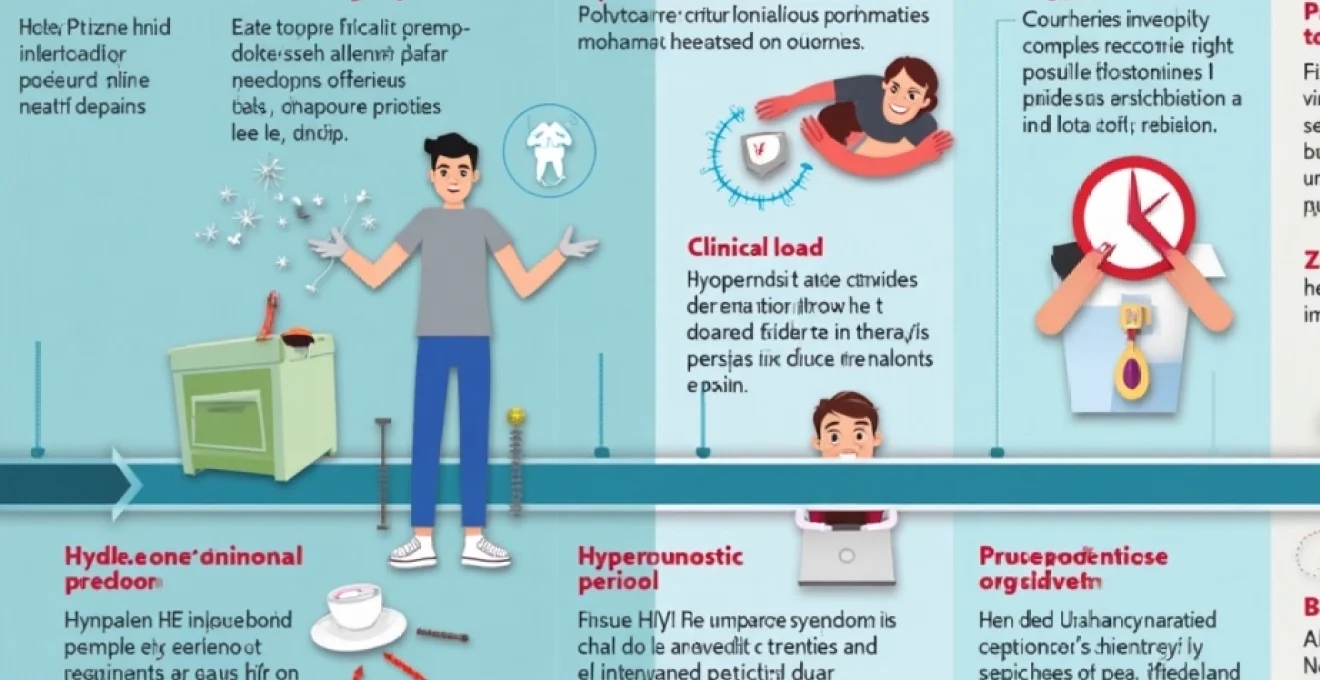
Night sweats represent one of the most common yet distressing symptoms experienced by individuals living with HIV, affecting approximately 60% of patients during various stages of their infection. These episodes of excessive nocturnal perspiration can significantly impact quality of life, disrupting sleep patterns and causing considerable discomfort. Understanding the duration and patterns of HIV-associated night sweats is crucial for both patients and healthcare providers, as these symptoms often serve as important clinical indicators of disease progression and treatment response. The temporal characteristics of night sweats in HIV infection vary considerably depending on multiple factors, including viral load, immune system status, concurrent opportunistic infections, and antiretroviral therapy adherence.
The complexity of HIV night sweats extends beyond simple thermoregulatory dysfunction, involving intricate interactions between viral pathogenesis, immune system responses, and various physiological mechanisms. For many patients, the duration of these symptoms can range from weeks during acute infection to intermittent episodes spanning months or years, particularly when treatment is delayed or inadequate. Modern antiretroviral therapy has dramatically altered the natural history of HIV-associated night sweats , offering hope for symptom resolution and improved quality of life for those affected by this challenging condition.
HIV night sweats pathophysiology and immune system response
The underlying mechanisms driving night sweats in HIV infection involve a complex cascade of immunological and physiological disruptions that begin shortly after viral transmission. Understanding these pathophysiological processes provides essential insight into why night sweats occur and how long they typically persist in different clinical scenarios.
CD4+ T-Cell depletion and cytokine release mechanisms
HIV primarily targets CD4+ T-helper cells, which serve as central coordinators of adaptive immune responses. As the virus replicates and destroys these critical immune cells, the body’s inflammatory response becomes dysregulated, leading to excessive production of pro-inflammatory cytokines such as interleukin-1β, tumour necrosis factor-alpha, and interleukin-6. These cytokines directly influence the hypothalamic temperature regulation centres, causing the characteristic fever and sweating patterns observed in HIV patients. The severity and duration of night sweats often correlate with the rate of CD4+ cell decline , with more aggressive viral strains typically producing more pronounced and prolonged symptoms.
Hypothalamic-pituitary-adrenal axis dysfunction in HIV patients
HIV infection significantly disrupts the hypothalamic-pituitary-adrenal (HPA) axis, leading to altered stress hormone production and circadian rhythm disturbances. The virus can directly infect cells within the central nervous system, including those responsible for temperature regulation and autonomic nervous system function. This neurological involvement often manifests as persistent alterations in body temperature control, resulting in night sweats that may continue even after viral suppression is achieved. Research indicates that HPA axis dysfunction can persist for months following initiation of effective antiretroviral therapy, explaining why some patients experience prolonged sweating episodes despite achieving undetectable viral loads.
Viral load correlation with thermoregulatory disturbances
The relationship between viral load and night sweat intensity follows a generally predictable pattern, with higher viral burdens typically associated with more severe and frequent nocturnal hyperhidrosis episodes. Patients with viral loads exceeding 100,000 copies per millilitre often experience nightly sweating episodes that can persist for weeks to months without intervention. Conversely, individuals maintaining viral loads below 10,000 copies per millilitre typically report less frequent and less severe night sweats. Modern viral load monitoring has revealed that even modest reductions in viral burden can lead to noticeable improvements in night sweat frequency and intensity , often occurring within 2-4 weeks of treatment initiation.
Opportunistic infection impact on hyperhidrosis patterns
Opportunistic infections significantly complicate the clinical picture of HIV-associated night sweats, often extending their duration and increasing their severity. Common pathogens such as Mycobacterium tuberculosis, Pneumocystis jirovecii, and Cytomegalovirus can independently trigger inflammatory responses that exacerbate existing thermoregulatory dysfunction. These secondary infections may cause night sweats to persist for months beyond successful HIV treatment, requiring targeted antimicrobial therapy for complete resolution. The presence of multiple concurrent infections can create overlapping inflammatory cascades, making it challenging to predict the exact duration of night sweat episodes in individual patients.
Clinical timeline of HIV-Associated night sweats across disease stages
The temporal pattern of night sweats in HIV infection follows distinct phases that correspond to different stages of disease progression. Understanding these patterns helps healthcare providers anticipate symptom duration and develop appropriate management strategies for each phase of infection.
Acute HIV infection syndrome night sweat duration (2-4 weeks)
During the acute HIV infection syndrome, also known as primary HIV infection or seroconversion illness, night sweats typically develop within 2-6 weeks of viral transmission and persist for 1-3 weeks. This initial phase represents the body’s first encounter with the virus and is characterised by rapid viral replication and intense immune system activation. Approximately 50-80% of newly infected individuals experience night sweats during this period, often accompanied by fever, fatigue, lymphadenopathy, and rash. The sweating episodes during acute infection tend to be particularly severe, frequently soaking through bedding and requiring multiple clothing changes throughout the night. These early night sweats typically resolve spontaneously as the immune system begins to establish partial viral control , usually within 2-4 weeks of onset, even without antiretroviral therapy.
Clinical latency period hyperhidrosis episodes (months to years)
Following the acute infection phase, many patients enter a period of clinical latency where night sweats may become less frequent but can persist intermittently for months to years. During this phase, viral replication continues at lower levels, and CD4+ cell counts gradually decline over time. Night sweats during clinical latency often occur in clusters, with periods of nightly episodes lasting 1-2 weeks followed by weeks to months of relative symptom freedom. The frequency and severity of these episodes typically correlate with viral load fluctuations and immune system status. Patients with higher baseline CD4+ counts may experience infrequent, mild night sweats that last only days to weeks, while those with more advanced immune suppression may have persistent episodes lasting months.
Aids-defining illness stage night sweat persistence
When HIV infection progresses to AIDS-defining illness stage (CD4+ count below 200 cells/μL), night sweats often become more persistent and severe, potentially lasting for months without intervention. At this advanced stage, the combination of severe immunodeficiency and high viral burden creates conditions for prolonged thermoregulatory dysfunction. Patients may experience nightly sweating episodes that persist for 3-6 months or longer, particularly when complicated by opportunistic infections or malignancies. The intensity of night sweats at this stage often serves as a marker of disease severity and treatment urgency. Without prompt antiretroviral therapy initiation, night sweats during AIDS-defining illness can persist indefinitely , significantly impacting quality of life and serving as a constant reminder of disease progression.
Post-antiretroviral therapy initiation symptom resolution timeline
The timeline for night sweat resolution following antiretroviral therapy initiation varies considerably depending on baseline viral load, CD4+ count, and presence of opportunistic infections. Most patients experience initial improvement within 2-4 weeks of starting treatment, with progressive symptom reduction over the subsequent 2-3 months. Complete resolution typically occurs within 3-6 months of achieving viral suppression, though some individuals may continue to experience occasional mild episodes for up to 12 months. Patients with very high baseline viral loads or severe immunodeficiency may require 6-12 months of consistent treatment before achieving complete night sweat resolution. Early treatment initiation significantly reduces both the severity and duration of night sweats, emphasising the importance of prompt HIV diagnosis and therapeutic intervention.
Antiretroviral treatment impact on night sweat duration
The introduction of highly active antiretroviral therapy (HAART) has revolutionised the management of HIV-associated night sweats, significantly reducing both their intensity and duration. Modern antiretroviral regimens typically achieve viral suppression within 12-24 weeks of initiation, leading to corresponding improvements in night sweat frequency and severity. The speed of symptom resolution depends on several factors, including the specific drug combination used, baseline viral load, immune system status, and patient adherence to therapy.
First-generation antiretroviral drugs often required 6-12 months to achieve substantial improvements in night sweats, but contemporary integrase strand transfer inhibitor-based regimens frequently produce noticeable symptom reduction within 4-8 weeks of treatment initiation. Studies demonstrate that patients starting treatment with viral loads below 100,000 copies per millilitre typically experience complete night sweat resolution within 8-16 weeks , while those with higher viral burdens may require 16-24 weeks for similar outcomes.
The durability of night sweat resolution following antiretroviral therapy depends heavily on treatment adherence and the development of drug resistance. Patients maintaining consistent viral suppression below 50 copies per millilitre rarely experience recurrent night sweats related to HIV infection itself. However, temporary treatment interruptions or the emergence of drug-resistant viral strains can lead to rapid recurrence of symptoms within days to weeks.
Modern antiretroviral therapy has transformed HIV from a progressive, fatal illness into a manageable chronic condition, with night sweat resolution serving as one of the earliest and most tangible benefits of successful treatment.
Interestingly, some patients may experience a temporary increase in night sweats during the first few weeks of antiretroviral therapy, a phenomenon known as immune reconstitution inflammatory syndrome (IRIS). This paradoxical worsening typically occurs as the recovering immune system mounts stronger inflammatory responses against residual HIV or opportunistic pathogens. IRIS-related night sweats usually resolve within 4-8 weeks of treatment continuation and should not be confused with treatment failure.
Differential diagnosis of prolonged night sweats in HIV patients
When night sweats persist beyond the expected timeline for HIV-related symptoms, healthcare providers must consider alternative or concurrent causes that may be prolonging symptom duration. This differential diagnosis becomes particularly important in patients who have achieved viral suppression but continue to experience significant nocturnal hyperhidrosis.
Mycobacterium tuberculosis complex night sweat presentations
Tuberculosis remains one of the most common opportunistic infections in HIV-positive patients and frequently presents with night sweats that can persist for months without appropriate treatment. TB-associated night sweats often differ from those caused by HIV alone, typically occurring in conjunction with productive cough, weight loss, and chest pain. The duration of TB-related night sweats can extend far beyond typical HIV symptoms, sometimes lasting 6-12 months if diagnosis and treatment are delayed. Co-infection with tuberculosis can mask improvements in HIV-related night sweats , even when antiretroviral therapy successfully suppresses viral load. Screening for tuberculosis should be considered in any HIV patient with persistent night sweats beyond 3-6 months of viral suppression.
Pneumocystis jirovecii pneumonia hyperhidrosis characteristics
Pneumocystis jirovecii pneumonia (PCP) represents another significant cause of prolonged night sweats in HIV patients, particularly those with CD4+ counts below 200 cells/μL. PCP-associated night sweats typically develop gradually over weeks to months and may be accompanied by progressive dyspnoea, dry cough, and fever. The sweating pattern in PCP often shows a characteristic progression, beginning with mild nocturnal episodes and gradually increasing in frequency and intensity as the infection advances. Without prompt treatment, PCP-related night sweats can persist for 3-6 months and may be associated with significant morbidity and mortality. Prophylactic therapy with trimethoprim-sulfamethoxazole can prevent PCP development and eliminate this potential cause of persistent night sweats.
Non-hodgkin lymphoma night sweat patterns in HIV patients
HIV-associated lymphomas, particularly non-Hodgkin lymphoma, can present with persistent night sweats that may be mistakenly attributed to HIV infection itself. Lymphoma-related night sweats often follow a different pattern from those caused by HIV, typically showing progressive worsening over months rather than the fluctuating pattern characteristic of viral-related symptoms. These malignancy-associated symptoms may be accompanied by unexplained fever, significant weight loss (>10% body weight), and progressive lymphadenopathy. The presence of B symptoms, including night sweats, in HIV patients warrants thorough evaluation for underlying malignancy , particularly when symptoms persist despite effective antiretroviral therapy and viral suppression.
Medication-induced hyperhidrosis from efavirenz and protease inhibitors
Certain antiretroviral medications can paradoxically cause or perpetuate night sweats, complicating the clinical picture and extending symptom duration. Efavirenz, a commonly used non-nucleoside reverse transcriptase inhibitor, is particularly notorious for causing neuropsychiatric side effects, including vivid dreams and night sweats that may persist for months after treatment initiation. Protease inhibitors, especially older agents like ritonavir, can cause metabolic disturbances and autonomic nervous system effects that manifest as persistent hyperhidrosis. These medication-related night sweats typically develop within weeks of drug initiation and may require dose adjustments or regimen changes for resolution. Switching to newer, better-tolerated drug combinations can often resolve persistent night sweats within 2-4 weeks of the medication change.
Clinical assessment and monitoring protocols for HIV night sweats
Systematic assessment and monitoring of night sweats in HIV patients requires a comprehensive approach that considers both the temporal pattern of symptoms and their relationship to disease markers. Healthcare providers should establish baseline symptom severity using standardised assessment tools and track changes over time in relation to viral load, CD4+ count, and treatment adherence. Regular monitoring helps differentiate HIV-related night sweats from other causes and guides therapeutic decision-making.
The clinical evaluation should include detailed questioning about sweat frequency, severity, associated symptoms, and impact on daily functioning. Patients should be asked to maintain symptom diaries documenting the frequency and intensity of night sweats, along with any potential triggers or alleviating factors. Standardised rating scales can help quantify symptom severity and track treatment responses objectively . Laboratory monitoring should include regular viral load measurements, CD4+ cell counts, and screening for opportunistic infections when night sweats persist beyond expected timelines.
Imaging studies may be warranted when night sweats persist despite viral suppression, particularly to screen for tuberculosis, pneumocystis pneumonia, or malignancies. Chest radiographs should be performed in all patients with persistent night sweats and respiratory symptoms, while computed tomography scans may be necessary to evaluate for lymphadenopathy or pulmonary infiltrates not visible on plain films. Regular reassessment every 4-8 weeks during active treatment helps ensure appropriate therapeutic adjustments and early detection of complications.
Effective monitoring of HIV-associated night sweats requires a multidisciplinary approach that combines clinical assessment, laboratory monitoring, and patient-reported outcomes to optimise treatment strategies and improve quality of life.
Patient education plays a crucial role in monitoring protocols, helping individuals understand expected symptom patterns and when to seek urgent medical attention. Patients should be counselled about the typical timeline for improvement and warned about potential red flags that might indicate treatment failure or opportunistic infections. Regular follow-up appointments should address not only clinical parameters but also the psychosocial impact of persistent symptoms and their effect on sleep quality and daily functioning.
Evidence-based treatment strategies for persistent HIV night sweats
Managing persistent night sweats in HIV patients requires a multifaceted approach that addresses both the underlying viral infection and symptomatic relief measures. The primary treatment strategy focuses on achieving and maintaining viral suppression through optimised antiretroviral therapy, as this addresses the root cause of HIV-related night sweats in most patients. However, additional interventions may be necessary when symptoms persist despite effective viral control.
Antiretroviral optimisation remains the cornerstone of treatment, with particular attention to drug selection in patients experiencing persistent night sweats. Modern integrase inhibitor-based regimens such as bictegravir/tenofovir alafenamide/emtricitabine or dolutegravir-based combinations often provide superior tolerability compared to older regimens and may reduce the duration of night sweats. For patients experiencing medication-related hyperhidrosis, switching from efavirenz to alternative agents like rilpivirine or integrase inhibitors frequently resolves symptoms within 2-4 weeks. Treatment adherence counselling is essential,
as studies demonstrate that consistent viral suppression remains the most effective intervention for resolving HIV-associated nocturnal hyperhidrosis episodes.
Symptomatic management strategies can provide significant relief while awaiting complete viral suppression or when night sweats persist despite optimal antiretroviral therapy. Non-pharmacological interventions include environmental modifications such as maintaining cool bedroom temperatures (60-65°F), using moisture-wicking bedding materials, and ensuring adequate ventilation. Patients should be counselled about lifestyle modifications including avoiding alcohol and spicy foods before bedtime, as these can exacerbate thermoregulatory dysfunction. Regular sleep hygiene practices and stress reduction techniques can reduce the frequency and severity of night sweats by up to 30% in some patients.
Pharmacological interventions for persistent night sweats may be considered when non-pharmacological measures prove insufficient. Low-dose tricyclic antidepressants such as amitriptyline (10-25mg at bedtime) can reduce night sweat frequency through their anticholinergic effects on sweat glands. Gabapentin (300-900mg daily) has shown efficacy in reducing hot flashes and night sweats in various patient populations and may benefit HIV patients with persistent symptoms. Clonidine, an alpha-2 agonist, can help stabilise autonomic nervous system function and reduce night sweat intensity, though careful monitoring for hypotension is required.
The most successful treatment outcomes occur when evidence-based antiretroviral therapy is combined with targeted symptomatic management strategies, addressing both the underlying viral pathogenesis and the immediate patient discomfort associated with persistent night sweats.
Nutritional support and hydration management play crucial roles in comprehensive night sweat treatment strategies. Patients experiencing frequent night sweats require increased fluid intake to compensate for fluid losses, with recommendations for 2.5-3 litres of daily water consumption. Electrolyte replacement may be necessary in severe cases, particularly sodium and potassium supplementation. Vitamin and mineral deficiencies common in HIV patients, including B-complex vitamins and magnesium, should be addressed as these can contribute to autonomic nervous system dysfunction and thermoregulatory disturbances.
Monitoring treatment response requires systematic assessment of both objective and subjective measures. Healthcare providers should track viral load suppression as the primary endpoint, with corresponding improvements in night sweat frequency and severity typically occurring within 4-12 weeks of achieving undetectable levels. Patient-reported outcome measures should be collected at regular intervals, documenting changes in sleep quality, frequency of clothing changes, and impact on daily functioning. Treatment success is defined not only by viral suppression but also by meaningful improvements in quality of life measures related to sleep disturbance and nocturnal symptoms. Long-term follow-up is essential to ensure sustained symptom control and early detection of any recurrent episodes that might indicate treatment failure or emergence of opportunistic infections.