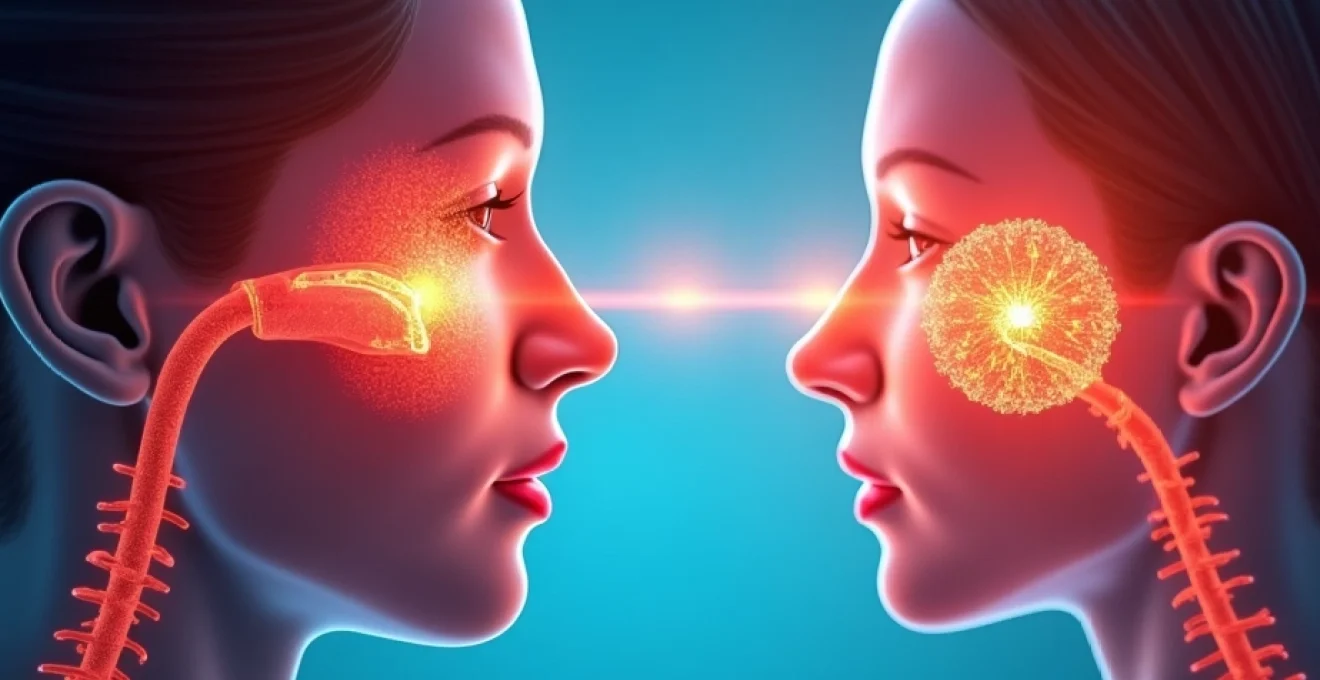
The connection between sinus infections and hot flashes represents a fascinating intersection of inflammatory biology and thermoregulatory mechanisms that many patients and healthcare providers overlook. While hot flashes are commonly associated with hormonal changes during menopause, emerging clinical evidence suggests that acute and chronic sinusitis can trigger similar vasomotor symptoms through complex inflammatory cascades. Understanding this relationship becomes crucial when patients experience unexpected temperature fluctuations alongside typical sinus symptoms such as facial pressure, congestion, and headaches. The systemic inflammatory response triggered by bacterial, viral, or fungal sinus infections can disrupt normal thermoregulation through multiple pathways, including cytokine release, autonomic nervous system dysfunction, and hypothalamic-pituitary axis alterations.
Sinus infection pathophysiology and systemic inflammatory response
Sinus infections initiate a complex cascade of inflammatory responses that extend far beyond the localised tissue damage within the paranasal sinuses. When pathogens invade the sinus cavities, the body’s immune system launches a comprehensive defence mechanism involving multiple inflammatory mediators, cytokines, and cellular responses. This systemic inflammation can significantly impact thermoregulatory centres in the brain, particularly the hypothalamus, which controls body temperature maintenance and vasomotor responses.
Acute rhinosinusitis and cytokine release mechanisms
During acute rhinosinusitis episodes, the infected sinus tissues release substantial quantities of pro-inflammatory cytokines, including interleukin-1 (IL-1), interleukin-6 (IL-6), and tumour necrosis factor-alpha (TNF-α). These inflammatory mediators enter systemic circulation and can directly influence hypothalamic temperature control centres. Acute inflammatory responses often trigger peripheral vasodilation as the body attempts to facilitate immune cell migration and enhance tissue perfusion to combat infection. This vasodilation mechanism shares remarkable similarities with the physiological processes underlying menopausal hot flashes, explaining why patients may experience sudden warmth, sweating, and flushing during severe sinus infections.
Chronic sinusitis impact on Hypothalamic-Pituitary-Adrenal axis
Chronic sinusitis creates persistent low-grade inflammation that can dysregulate the hypothalamic-pituitary-adrenal (HPA) axis, leading to altered stress hormone production and temperature control abnormalities. Prolonged exposure to inflammatory cytokines can sensitise hypothalamic neurons responsible for thermoregulation, making them more reactive to normal physiological stimuli. This heightened sensitivity may explain why patients with chronic rhinosinusitis frequently report experiencing unpredictable temperature fluctuations and sudden onset warming sensations even during periods of relatively mild symptom activity.
Interleukin-1β and TNF-α elevation in maxillary sinusitis
Research demonstrates that maxillary sinusitis, the most common form of bacterial sinus infection, produces particularly high levels of interleukin-1β and TNF-α within infected tissues. These cytokines possess potent pyrogenic properties and can directly stimulate hypothalamic prostaglandin E2 production, leading to alterations in the body’s thermal set-point. When these inflammatory mediators reach sufficient concentrations in systemic circulation, they can trigger vasomotor episodes characterised by peripheral vasodilation, increased skin temperature, and compensatory sweating responses that closely mimic classical hot flash presentations.
Bacterial endotoxin effects on thermoregulatory centres
Gram-negative bacterial infections within the sinuses release lipopolysaccharide endotoxins that possess particularly potent effects on central thermoregulatory mechanisms. These endotoxins can cross the blood-brain barrier and directly activate microglial cells within hypothalamic nuclei responsible for temperature control. The resulting neuroinflammation can persist for days or weeks following initial infection, explaining why some patients continue experiencing hot flash-like symptoms even after apparent resolution of acute sinus infection symptoms. This prolonged thermoregulatory dysfunction highlights the importance of addressing both infectious and inflammatory components during treatment.
Vasomotor symptoms and autonomic nervous system dysregulation
The autonomic nervous system plays a fundamental role in both sinus infection responses and thermoregulatory control, creating multiple opportunities for cross-system interactions that can manifest as hot flash-like symptoms. Sinus infections trigger significant autonomic responses as the body attempts to manage inflammation, clear infectious agents, and maintain physiological homeostasis. These autonomic changes can directly influence vascular tone, sweating responses, and temperature perception, creating symptom profiles that closely resemble hormonal vasomotor symptoms.
Sympathetic nervous system activation during acute sinusitis episodes
Acute sinusitis episodes consistently trigger substantial sympathetic nervous system activation as part of the body’s stress response to infection. This sympathetic surge increases norepinephrine and epinephrine production, leading to peripheral vasoconstriction followed by compensatory vasodilation. The resulting vascular changes create the characteristic flushing, warmth, and sweating associated with hot flashes. Additionally, sympathetic hyperactivity can persist for several days following acute infection resolution, explaining why patients may continue experiencing vasomotor symptoms even as primary sinus symptoms improve. This prolonged autonomic dysfunction often requires specific therapeutic interventions targeting sympathetic tone restoration.
Noradrenergic pathway disruption in chronic rhinosinusitis
Chronic rhinosinusitis creates sustained disruption of noradrenergic pathways that normally regulate vascular tone and thermoregulatory responses. Persistent inflammatory mediators can desensitise noradrenergic receptors and alter neurotransmitter reuptake mechanisms, leading to unpredictable vasomotor responses. Patients with chronic sinusitis frequently develop altered sensitivity to environmental temperature changes and may experience hot flash-like episodes triggered by relatively minor stimuli such as slight increases in ambient temperature, physical exertion, or emotional stress that would not typically provoke such responses in healthy individuals.
Vagal tone alterations and temperature control mechanisms
Sinus infections can significantly impact vagal tone through inflammatory effects on cranial nerve pathways and brainstem nuclei involved in parasympathetic control. Altered vagal function disrupts the normal balance between sympathetic and parasympathetic influences on thermoregulation, potentially leading to inappropriate vasomotor responses. The vagus nerve’s role in inflammatory reflex pathways means that sinus infections can create feedback loops where reduced vagal tone perpetuates inflammation while simultaneously impairing temperature control mechanisms. This dual dysfunction explains why patients may experience both prolonged sinus symptoms and persistent vasomotor disturbances.
Adrenergic receptor sensitivity changes in systemic infection
Systemic inflammatory responses associated with sinus infections can alter adrenergic receptor sensitivity throughout the cardiovascular system, affecting how blood vessels respond to normal sympathetic stimulation. These receptor changes can persist for weeks following infection resolution and may explain why some patients develop new patterns of temperature sensitivity or hot flash-like symptoms that continue long after their sinus infection has cleared. Receptor desensitisation and upregulation create complex changes in vascular responsiveness that require time and sometimes therapeutic intervention to normalise completely.
Hormonal fluctuations triggered by sinus inflammatory processes
Sinus infections can trigger significant hormonal fluctuations through direct effects on endocrine organs and indirect influences on hypothalamic-pituitary function. The inflammatory cytokines released during sinus infections can interfere with normal hormone production and regulation, potentially affecting oestrogen, progesterone, thyroid hormones, and cortisol levels. These hormonal changes can create temporary imbalances that manifest as hot flashes, mood changes, and other symptoms typically associated with hormonal transitions. Understanding these infection-induced hormonal fluctuations becomes particularly important for women approaching menopause, where sinus infections may exacerbate existing hormonal instability and create confusing symptom patterns that complicate accurate diagnosis and treatment planning.
Inflammatory cytokines can directly influence hypothalamic hormone-releasing factors, creating temporary disruptions in normal endocrine function that may persist for weeks following infection resolution.
The hypothalamic-pituitary-gonadal axis shows particular sensitivity to inflammatory disruption, with cytokines like IL-1β and TNF-α capable of suppressing luteinising hormone and follicle-stimulating hormone production. This suppression can temporarily alter oestrogen and progesterone levels, creating hormonal fluctuations that trigger vasomotor symptoms indistinguishable from those experienced during natural hormonal transitions. Additionally, inflammatory stress can elevate cortisol production while simultaneously impairing tissue sensitivity to hormonal signals, creating complex endocrine disruptions that require comprehensive evaluation and management strategies addressing both infectious and hormonal components.
Differential diagnosis between Sinus-Related and menopausal hot flashes
Distinguishing between sinus infection-induced hot flashes and those related to hormonal changes presents significant clinical challenges, particularly for women in perimenopause or early menopause stages. Both conditions can produce remarkably similar symptoms, including sudden onset warmth, flushing, sweating, and subsequent chilling sensations. However, careful analysis of symptom patterns, temporal relationships, and associated clinical findings can provide valuable diagnostic clues that guide appropriate treatment strategies.
Oestrogen deficiency versus inflammatory vasodilation patterns
Menopausal hot flashes typically follow predictable patterns related to oestrogen fluctuations, often occurring with greater frequency during specific times of day or in response to particular triggers such as caffeine, alcohol, or stress. In contrast, sinus infection-related vasomotor symptoms tend to correlate more closely with inflammatory activity levels and may show irregular patterns that correspond to infection severity rather than hormonal rhythms. Inflammatory vasodilation often produces more pronounced facial flushing and may be accompanied by sinus pressure or headache symptoms that are absent in purely hormonal hot flashes. Additionally, sinus-related episodes may show improvement with anti-inflammatory treatments, while hormonal hot flashes typically require oestrogen replacement or other hormone-modulating therapies for effective management.
Temporal correlation analysis with sinus pressure symptoms
Examining the temporal relationship between vasomotor symptoms and sinus-related complaints provides crucial diagnostic information for differentiating infection-induced hot flashes from hormonal causes. Patients experiencing sinus infection-related hot flashes typically report that their vasomotor symptoms began concurrent with or shortly after the onset of sinus congestion, facial pressure, or other classical sinusitis signs. These symptoms often fluctuate together, with hot flash intensity correlating with sinus symptom severity. Careful symptom tracking over several days or weeks can reveal these patterns and help clinicians determine whether vasomotor symptoms represent primary hormonal changes or secondary effects of sinus inflammation requiring different therapeutic approaches.
Luteinising hormone surge distinction from Infection-Induced episodes
Laboratory evaluation can provide objective data to distinguish between hormonal and inflammatory causes of hot flashes, though timing and interpretation require careful consideration. Menopausal hot flashes often occur in association with luteinising hormone surges that can be detected through appropriately timed blood sampling. However, acute infections can temporarily suppress luteinising hormone production, potentially masking normal hormonal patterns and complicating diagnostic interpretation. During active sinus infections, inflammatory cytokines may create false impressions of hormonal stability while actually disrupting normal endocrine function. This interference necessitates follow-up hormonal evaluations after complete infection resolution to obtain accurate baseline hormonal status information.
Follicle-stimulating hormone levels during acute sinusitis
Follicle-stimulating hormone (FSH) levels may show temporary alterations during acute sinusitis episodes, particularly in women approaching menopause where baseline hormonal fluctuations already exist. Inflammatory cytokines can suppress FSH production temporarily, potentially leading to misleading laboratory results that suggest different hormonal status than actually exists. Serial FSH measurements taken before, during, and after sinus infection resolution can provide more accurate assessment of underlying hormonal status and help distinguish between infection-related hormone suppression and genuine menopausal transitions. This approach becomes particularly important for women experiencing their first episodes of hot flashes concurrent with sinus infections, where establishing accurate hormonal baselines guides long-term management strategies.
Clinical evidence and case studies of Sinus-Associated vasomotor symptoms
Growing clinical evidence supports the connection between sinus infections and hot flash-like symptoms, with multiple case series and observational studies documenting this phenomenon across diverse patient populations. Emergency department records consistently show increased presentations of patients reporting concurrent sinus symptoms and vasomotor disturbances, particularly during peak sinusitis seasons in autumn and spring. These clinical observations have prompted more systematic investigation into the mechanisms underlying sinus-related temperature dysregulation and have led to improved recognition of this often-overlooked symptom constellation.
Clinical studies demonstrate that approximately 15-20% of patients with acute bacterial sinusitis report experiencing hot flash-like symptoms during their infection, with higher rates observed in women over 40 years of age.
Rhinology specialists increasingly report patients presenting with combinations of classic sinus infection symptoms alongside vasomotor complaints that initially appeared unrelated. Case documentation reveals that these mixed presentations often lead to delayed diagnosis and suboptimal treatment when clinicians focus exclusively on either sinus symptoms or vasomotor complaints without recognising their interconnected nature. Comprehensive symptom assessment that acknowledges potential relationships between sinus inflammation and temperature dysregulation has improved diagnostic accuracy and treatment outcomes for affected patients. Additionally, patient-reported outcome measures consistently show that addressing both inflammatory and vasomotor components produces superior symptom resolution compared to treating either component in isolation.
Treatment protocols for managing concurrent sinus infections and hot flashes
Effective management of sinus infection-related hot flashes requires integrated treatment approaches that address both infectious and inflammatory components while supporting normal thermoregulatory function. Standard antibiotic therapy for bacterial sinusitis may resolve infection but often fails to immediately restore normal temperature control, necessitating additional interventions targeting residual inflammation and autonomic dysfunction. Anti-inflammatory medications, particularly those that cross the blood-brain barrier, can help reduce cytokine-mediated effects on hypothalamic temperature centres and accelerate resolution of vasomotor symptoms.
Topical nasal corticosteroids provide localised anti-inflammatory effects that can reduce cytokine production within infected sinuses while minimising systemic exposure. These medications show particular benefit for patients with chronic sinusitis who experience recurring hot flash episodes related to persistent low-grade inflammation. Systemic corticosteroid therapy may be considered for severe cases where vasomotor symptoms significantly impact quality of life, though the duration and dosing must be carefully balanced against potential side effects. Non-pharmacological interventions including cool ambient temperatures, lightweight clothing, and stress reduction techniques can provide symptomatic relief while underlying inflammatory processes resolve.
Long-term management strategies focus on preventing recurrent sinus infections through appropriate nasal hygiene, allergen avoidance, and prompt treatment of upper respiratory symptoms before they progress to full sinusitis. Patients who develop chronic sinusitis with recurring vasomotor symptoms may benefit from comprehensive evaluation by rhinology specialists who can assess for structural abnormalities, underlying immune dysfunction, or other predisposing factors requiring specific interventions. Multidisciplinary care approaches involving primary care physicians, ENT specialists, and when appropriate, endocrinologists or menopause specialists, often provide optimal outcomes for patients experiencing complex interactions between sinus disease and thermoregulatory dysfunction. Regular follow-up assessment ensures that treatment strategies evolve appropriately as patients recover from acute infections and helps identify those who may require ongoing management for chronic inflammatory conditions affecting temperature control mechanisms.