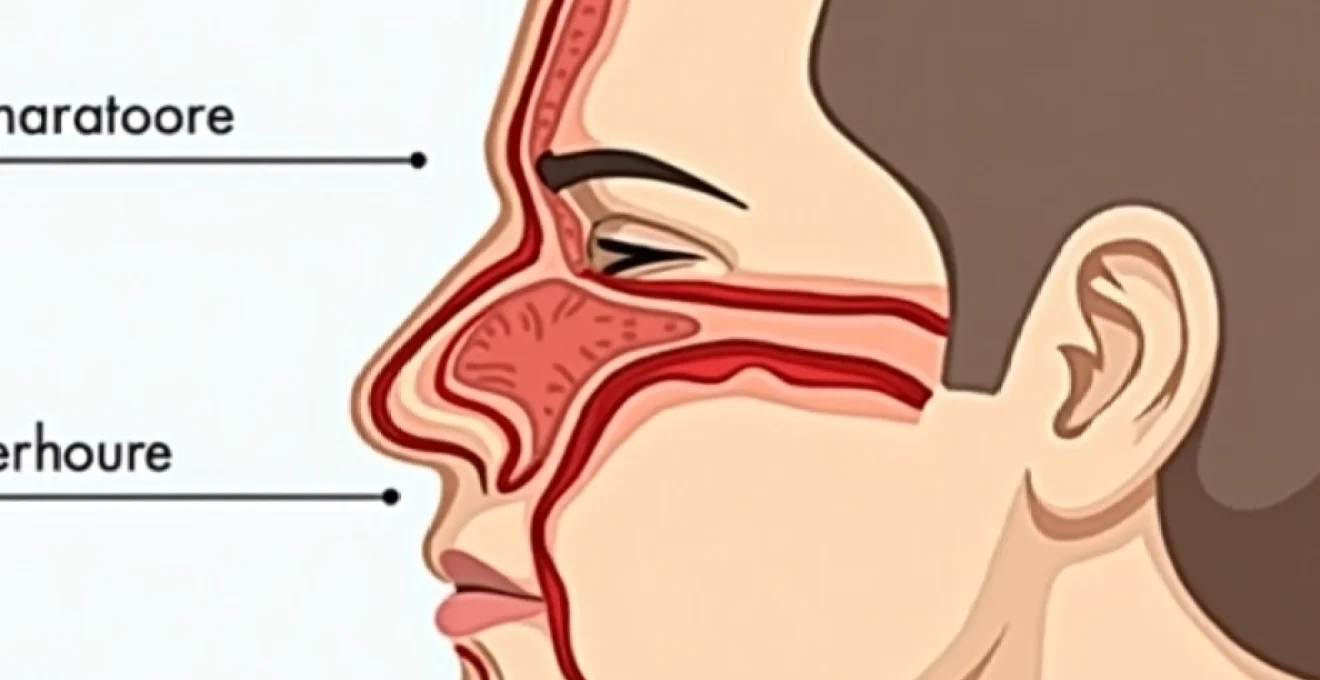
Experiencing headaches following sinus surgery is remarkably common, affecting approximately 60-80% of patients during their recovery period. These post-operative symptoms often cause significant concern for patients who wonder whether their discomfort represents normal healing or indicates potential complications. Understanding the physiological mechanisms behind post-surgical headaches can provide valuable reassurance whilst helping patients recognise when professional intervention becomes necessary. The complexity of sinus anatomy and the intricate network of nerves surrounding the nasal cavities means that surgical intervention inevitably affects multiple structures, leading to predictable inflammatory responses that manifest as various forms of cephalgia.
Post-operative cephalgia: understanding normal recovery patterns after endoscopic sinus surgery
The occurrence of headaches following endoscopic sinus surgery represents a predictable physiological response to surgical trauma and tissue manipulation. During these procedures, surgeons necessarily disrupt delicate mucosal tissues, alter pressure dynamics within the sinus cavities, and manipulate nerve pathways that directly influence pain perception. The intensity and duration of post-operative headaches vary significantly based on the extent of surgery performed and individual patient factors including pre-existing sinus disease severity and personal pain tolerance.
Most patients experience their most severe headaches during the first 48-72 hours post-surgery, with symptoms gradually diminishing over the subsequent 7-14 days. Research indicates that approximately 70% of patients report moderate to severe headaches during the initial recovery phase, whilst only 20% continue experiencing significant discomfort beyond the two-week mark. The inflammatory cascade triggered by surgical intervention reaches its peak approximately 24-48 hours post-operatively, corresponding with the period of maximum headache intensity reported by patients.
Anatomical considerations play a crucial role in determining headache patterns following sinus surgery. The proximity of the ethmoid sinuses to the anterior skull base means that manipulation of these structures often results in frontal headaches that can feel remarkably similar to tension headaches or migraines. Similarly, maxillary sinus procedures frequently cause pain that radiates to the cheek, upper teeth, and temporal regions, creating a distinctive pattern that experienced surgeons recognise as entirely normal during the healing process.
Functional endoscopic sinus surgery (FESS) complications: distinguishing expected discomfort from pathological symptoms
Distinguishing between normal post-operative discomfort and potentially serious complications requires careful attention to symptom characteristics, timing, and associated features. Normal post-surgical headaches typically follow predictable patterns, beginning within hours of surgery and gradually improving over subsequent days. These headaches often respond well to standard pain medications and are accompanied by other expected post-operative symptoms such as nasal congestion, minor bleeding, and temporary alterations in smell sensation.
Mucosal inflammation response following Caldwell-Luc procedure
The Caldwell-Luc procedure, though less commonly performed in modern practice, involves creating an opening through the canine fossa to access the maxillary sinus. This approach inevitably results in significant mucosal disruption and subsequent inflammatory responses that manifest as characteristic headache patterns. Patients typically experience deep, aching pain in the cheek and upper jaw region, often accompanied by dental sensitivity. The inflammatory response peaks 2-3 days post-operatively before gradually subsiding over the following weeks as tissue healing progresses.
Ethmoidectomy-related pressure sensitivity and temporal distribution
Ethmoidectomy procedures, which involve removing diseased ethmoid air cells, frequently result in frontal and temporal headaches due to the proximity of these structures to major nerve pathways. The supraorbital and supratrochlear nerves, branches of the trigeminal nerve, can become irritated during surgery, leading to characteristic pain patterns that patients describe as sharp, stabbing sensations behind the eyes or across the forehead. These symptoms typically resolve within 7-10 days as nerve irritation subsides and normal sensation returns.
Sphenoidotomy recovery timeline: expected neurological sensations
Sphenoidotomy procedures carry unique considerations due to the sphenoid sinus’s proximity to critical structures including the optic nerves, carotid arteries, and brain stem. Patients commonly experience deep, centralised headaches that may feel different from typical sinus pressure. These headaches often have a pulsating quality and may be accompanied by temporary changes in vision or balance, which typically resolve as post-operative swelling subsides over 10-14 days.
Balloon sinuplasty aftermath: minimally invasive technique headache patterns
Balloon sinuplasty, designed as a minimally invasive alternative to traditional sinus surgery, generally produces less severe post-operative headaches compared to more extensive procedures. However, patients still commonly experience mild to moderate headaches for 3-5 days following treatment. These headaches typically have a pressure-like quality and respond well to over-the-counter pain medications. The reduced tissue trauma associated with balloon techniques correlates with faster headache resolution and overall recovery times.
Anatomical factors contributing to Post-Surgical cranial pain manifestation
The complex anatomy of the paranasal sinuses and their intimate relationship with surrounding neural structures directly influences post-operative headache patterns. Understanding these anatomical relationships helps both patients and clinicians anticipate normal recovery patterns whilst identifying potential complications. The trigeminal nerve, responsible for facial sensation, has extensive branches throughout the sinus regions, making it particularly susceptible to irritation during surgical procedures.
Trigeminal nerve pathway irritation following maxillary antrostomy
Maxillary antrostomy procedures involve creating or enlarging the natural opening of the maxillary sinus, a process that can irritate branches of the trigeminal nerve responsible for sensation in the cheek, upper lip, and upper teeth. Patients frequently report numbness or altered sensation in these areas, often accompanied by headaches that have a burning or electric quality. Recovery of normal sensation typically occurs gradually over 4-12 weeks as nerve irritation resolves and normal neural pathways are re-established.
Olfactory cleft manipulation and associated frontal headache symptoms
The olfactory cleft, located in the superior nasal cavity, contains the delicate olfactory nerve fibres responsible for smell sensation. Surgical manipulation in this area often results in temporary anosmia (loss of smell) accompanied by distinctive frontal headaches. These headaches typically have a deep, aching quality and may be associated with a feeling of pressure behind the eyes. Recovery of smell function and resolution of associated headaches usually occurs over 6-8 weeks as the olfactory epithelium regenerates.
Ostiomeatal complex reconstruction: impact on sinus pressure dynamics
Reconstruction of the ostiomeatal complex, the critical drainage pathway for the frontal, ethmoid, and maxillary sinuses, temporarily alters normal pressure dynamics within these cavities. During the healing process, patients may experience headaches that worsen with changes in barometric pressure or altitude. These pressure-sensitive headaches typically improve as mucosal healing progresses and normal ciliary function is restored, usually within 3-4 weeks of surgery.
Nasal septal deviation correction: secondary headache development mechanisms
Septoplasty procedures, often performed concurrently with sinus surgery, can contribute to post-operative headaches through several mechanisms. Straightening a deviated septum alters nasal airflow patterns, potentially causing temporary headaches as patients adjust to improved breathing. Additionally, the healing process may involve temporary swelling that creates new pressure points within the nasal cavity, contributing to headache development during the initial recovery period.
Pharmacological management protocols for Post-FESS cephalgia
Effective headache management following sinus surgery requires a multimodal approach that addresses both inflammation and pain perception. Standard protocols typically begin with simple analgesics and progress to more targeted therapies based on symptom severity and patient response. The goal is to provide adequate pain relief whilst minimising medication side effects and supporting the natural healing process.
First-line treatment typically involves alternating acetaminophen and ibuprofen to maximise analgesic effect whilst reducing individual medication dosages. This combination approach provides both pain relief and anti-inflammatory benefits, addressing the underlying tissue inflammation that drives much of the post-operative discomfort. Patients should maintain adequate hydration and avoid aspirin-containing medications during the initial recovery period to minimise bleeding risk and support optimal healing.
For patients experiencing severe headaches that don’t respond to standard medications, prescription options may include short-term use of stronger anti-inflammatory drugs or targeted nerve pain medications. Topical nasal sprays containing corticosteroids can help reduce mucosal inflammation and associated pressure symptoms, though these should only be used under specific medical guidance to avoid interfering with the healing process. Some patients benefit from caffeine-containing medications, particularly for headaches with vascular components.
Non-pharmacological approaches play an equally important role in headache management, with cold compresses applied to the forehead and cheek areas providing significant relief for many patients during the acute recovery phase.
The timing of medication administration can significantly impact effectiveness, with many patients finding that maintaining consistent dosing schedules prevents breakthrough pain more effectively than treating symptoms reactively. Sleep positioning also influences headache severity, with elevation of the head and shoulders helping to reduce sinus pressure and associated pain during the vulnerable overnight period.
Red flag symptoms: when Post-Operative headaches indicate serious complications
Whilst most post-operative headaches represent normal healing responses, certain characteristics demand immediate medical attention. Recognising these warning signs enables prompt intervention that can prevent serious complications and ensure optimal outcomes. The distinction between expected discomfort and pathological symptoms often lies in the headache’s severity, timing, and associated neurological features.
Cerebrospinal fluid rhinorrhoea: neurological emergency recognition
Cerebrospinal fluid leak represents one of the most serious potential complications of sinus surgery, occurring in approximately 0.1-0.5% of procedures. Patients typically present with severe frontal headaches that worsen when standing and improve when lying down. The headache often has a throbbing quality and may be accompanied by clear, watery nasal drainage that tastes salty . This combination of positional headache and clear rhinorrhoea requires immediate medical evaluation, as untreated CSF leaks can lead to intracranial infection.
Orbital haematoma development: ophthalmological complication markers
Orbital haematoma, though rare, can develop following ethmoid or sphenoid sinus surgery due to bleeding into the orbital tissues. Patients experience severe headaches localised around the affected eye, accompanied by progressive visual changes, double vision, or eye movement restrictions. The headache typically has a deep, boring quality and may be associated with nausea and vomiting. Progressive worsening of symptoms over hours rather than gradual improvement distinguishes this complication from normal post-operative discomfort.
Intracranial infection progression: meningitis warning signs
Intracranial infection, whilst extremely rare following modern sinus surgery, requires immediate recognition and treatment. Patients develop severe, progressively worsening headaches associated with fever, neck stiffness, and altered mental status. These headaches differ markedly from typical post-operative pain in their severity and rapid progression . The combination of severe headache with fever above 38.5°C (101.3°F) and neurological symptoms warrants emergency medical evaluation regardless of the time elapsed since surgery.
Recovery timeline expectations: Week-by-Week headache resolution patterns after sinus surgery
Understanding the typical timeline for headache resolution helps patients set realistic expectations and identify when their recovery deviates from normal patterns. The healing process follows predictable phases, each characterised by specific symptom patterns and improvement milestones that guide both patient expectations and clinical decision-making.
During the first week post-surgery, patients typically experience their most significant headache symptoms, with peak intensity occurring 24-48 hours after the procedure. Day 1-3 headaches are often severe and may require prescription pain medications for adequate control. By days 4-7, most patients notice gradual improvement in headache severity, though symptoms may still interfere with normal activities. The presence of nasal congestion and discharge during this period is entirely normal and often correlates with headache intensity as sinus drainage pathways re-establish themselves.
Week 2-3 of recovery typically brings substantial improvement in headache frequency and severity for most patients. Occasional mild to moderate headaches may persist, particularly with weather changes or increased physical activity. Patients often notice that their headaches respond better to over-the-counter medications during this period, indicating successful progression through the acute inflammatory phase. Sleep quality generally improves during this timeframe, contributing to overall headache reduction and enhanced recovery.
By week 4-6, the majority of patients experience complete resolution of surgery-related headaches, with any residual symptoms typically being mild and infrequent.
Patients who continue experiencing significant headaches beyond the 6-week mark should undergo thorough evaluation to exclude underlying complications or inadequate surgical correction of the original problem. Long-term headache patterns may indicate chronic sinusitis recurrence, anatomical factors requiring additional intervention, or the development of chronic pain syndromes that require specialised management approaches. The timing and characteristics of persistent headaches provide valuable diagnostic information for determining appropriate follow-up care and intervention strategies.