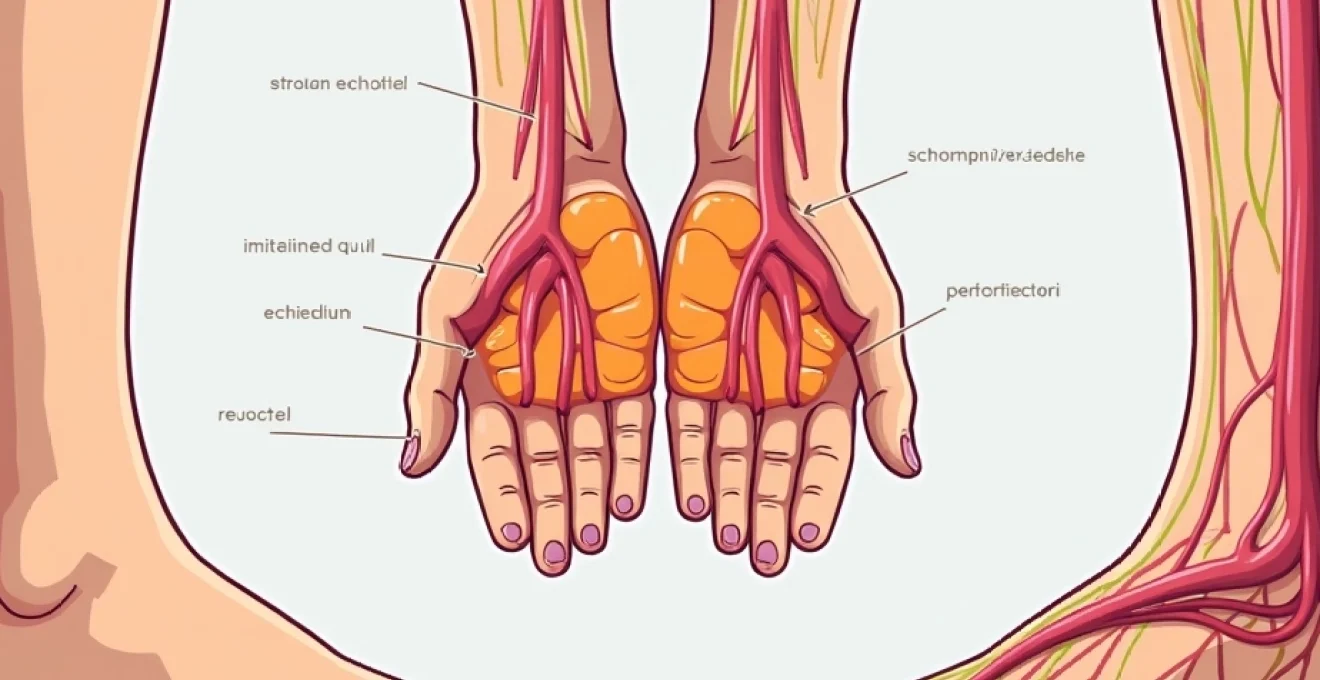
Statins represent one of the most widely prescribed medication classes worldwide, with millions of people relying on these cholesterol-lowering drugs to reduce their cardiovascular risk. However, mounting evidence suggests that these medications may trigger peripheral neuropathy in susceptible individuals, manifesting as tingling, numbness, and sensory disturbances in the hands and feet. The phenomenon of statin-induced peripheral neuropathy has garnered increasing attention from healthcare professionals as more patients report these concerning symptoms following treatment initiation.
Research indicates that individuals taking statins demonstrate a significantly elevated risk of developing peripheral neuropathy compared to those not using these medications. A landmark Danish study revealed that statin users face a 14-fold increased likelihood of experiencing neuropathic symptoms, with the risk escalating further among those using higher doses or taking the medications for extended periods. Understanding this potential adverse effect becomes crucial as healthcare providers weigh the cardiovascular benefits of statin therapy against the risk of debilitating neurological complications.
Statin-induced peripheral neuropathy: understanding the pathophysiological mechanisms
The development of peripheral neuropathy following statin administration involves complex cellular mechanisms that researchers continue to investigate. Multiple pathways contribute to nerve damage, creating a cascade of events that ultimately compromises peripheral nerve function and leads to the characteristic tingling sensations patients experience.
Hmg-coa reductase inhibition and neuronal membrane disruption
Statins exert their therapeutic effect by inhibiting HMG-CoA reductase, the rate-limiting enzyme in cholesterol biosynthesis. This mechanism, whilst effective for cardiovascular protection, inadvertently affects peripheral nerve membranes that depend on cholesterol for structural integrity. Neuronal cell membranes require adequate cholesterol levels to maintain their myelin sheaths and ensure proper signal transmission along nerve fibres.
When cholesterol production becomes severely restricted, peripheral nerves may experience membrane instability, leading to impaired nerve conduction. This disruption particularly affects the longest nerve fibres first, explaining why symptoms typically begin in the hands and feet before potentially progressing proximally. The process resembles removing essential building materials from a construction site – the structure becomes increasingly unstable over time.
Cholesterol depletion effects on schwann cell myelination
Schwann cells, responsible for producing myelin in the peripheral nervous system, demonstrate particular vulnerability to cholesterol depletion. These cells require substantial amounts of cholesterol to synthesise and maintain myelin sheaths effectively. When statin therapy reduces available cholesterol, Schwann cells struggle to perform their myelination duties adequately.
Research suggests that myelin sheath deterioration may occur gradually, initially causing subtle sensory changes before progressing to more pronounced neuropathic symptoms. The process affects sensory fibres more commonly than motor fibres, explaining why patients typically experience numbness and tingling before developing weakness.
Coenzyme Q10 deficiency and mitochondrial dysfunction in peripheral nerves
Statin therapy simultaneously reduces coenzyme Q10 (CoQ10) production, an essential component of mitochondrial energy metabolism. Peripheral nerves, particularly those extending to the extremities, require substantial energy to maintain their function and structural integrity. CoQ10 depletion compromises mitochondrial efficiency within nerve cells, potentially contributing to energy-dependent cellular processes that support nerve health.
This mitochondrial dysfunction may manifest as reduced nerve conduction velocity and impaired axonal transport mechanisms. The combination of cholesterol depletion and CoQ10 deficiency creates a particularly challenging environment for peripheral nerve survival and function, potentially accelerating the onset of neuropathic symptoms in susceptible individuals.
Inflammatory cascade activation in distal sensory neurons
Some research indicates that statin-induced neuropathy may involve inflammatory processes affecting distal sensory neurons. The disruption of normal cellular metabolism appears to trigger inflammatory cascades that further compromise nerve function. These inflammatory changes may contribute to the burning pain and hyperalgesia that some patients experience alongside tingling sensations.
The inflammatory component helps explain why some individuals develop neuropathic symptoms relatively quickly after starting statin therapy, whilst others may not experience problems for months or years. Individual susceptibility to inflammatory responses varies significantly, influencing both the onset and severity of symptoms.
Clinical manifestation patterns of Statin-Associated peripheral sensory symptoms
Statin-induced peripheral neuropathy presents with characteristic patterns that help distinguish it from other causes of neuropathy. Understanding these manifestation patterns enables healthcare providers to recognise the condition early and implement appropriate management strategies.
Distal symmetrical sensory loss distribution in hands and feet
The typical presentation involves symmetrical sensory disturbances affecting both hands and feet simultaneously. Patients commonly describe the sensation as wearing invisible gloves and socks, with numbness and tingling starting at the fingertips and toes before potentially spreading proximally. This distribution pattern reflects the vulnerability of the longest nerve fibres to statin-induced damage.
Initial symptoms often include difficulty with fine motor tasks such as buttoning clothing, handling small objects, or typing. Many patients report reduced ability to sense temperature changes or detect the texture of objects they’re handling. These functional impairments can significantly impact daily activities and quality of life, particularly for individuals whose occupations require manual dexterity.
Paraesthesia onset timeline following atorvastatin and simvastatin initiation
Research indicates that neuropathic symptoms typically emerge within the first two to three years of statin therapy, though some patients may experience onset within weeks or months of treatment initiation. Atorvastatin and simvastatin appear to demonstrate higher associations with neuropathy development compared to other statins, possibly due to their lipophilic properties and enhanced tissue penetration.
The onset timeline varies considerably between individuals, influenced by factors such as dosage, duration of therapy, genetic predisposition, and concurrent medical conditions. Some patients report gradual symptom development over months, whilst others describe more rapid onset within weeks of starting treatment. Understanding these patterns helps healthcare providers maintain appropriate vigilance for neuropathic complications.
Dose-dependent relationship between rosuvastatin potency and neuropathic symptoms
Higher statin doses correlate with increased neuropathy risk, suggesting a dose-dependent relationship between cholesterol reduction and nerve damage. Rosuvastatin , despite being hydrophilic, has been associated with neuropathic symptoms at higher doses, indicating that potency rather than lipophilicity alone may influence neuropathy development.
Studies demonstrate that patients taking maximum-dose statins face significantly higher neuropathy rates compared to those using standard doses, emphasising the importance of using the lowest effective dose for cardiovascular protection.
This dose-response relationship supports the hypothesis that excessive cholesterol depletion contributes to nerve damage. Healthcare providers must carefully balance cardiovascular benefits against neuropathic risks when prescribing high-intensity statin therapy, particularly in patients with additional risk factors for peripheral neuropathy.
Bilateral Glove-and-Stocking pattern sensory disturbances
The classic glove-and-stocking distribution represents the hallmark presentation of statin-induced neuropathy. This pattern reflects the length-dependent nature of the nerve damage, affecting the longest fibres first. Patients typically experience symmetric symptoms in corresponding areas of both hands and feet, distinguishing this condition from focal nerve entrapments or asymmetric neuropathies.
Progressive symptoms may advance proximally over time, potentially affecting the wrists and ankles if statin therapy continues without intervention. Some patients develop burning pain alongside numbness and tingling, particularly during nighttime hours. The bilateral nature of symptoms helps healthcare providers differentiate statin neuropathy from conditions like carpal tunnel syndrome or tarsal tunnel syndrome, which typically present unilaterally or asymmetrically.
Differentiating Statin-Induced neuropathy from diabetic peripheral neuropathy
Distinguishing between statin-induced neuropathy and diabetic peripheral neuropathy presents significant clinical challenges, particularly given that many patients taking statins also have diabetes or prediabetes. Both conditions manifest with similar sensory symptoms affecting the hands and feet, requiring careful clinical assessment to determine the primary cause.
Diabetic neuropathy typically develops gradually over years in patients with poorly controlled blood glucose levels, often accompanied by other diabetic complications such as retinopathy or nephropathy. The progression tends to be slower and more predictable compared to statin-induced neuropathy, which may develop relatively quickly after medication initiation. Additionally, diabetic neuropathy often presents with more prominent pain and burning sensations, whilst statin neuropathy may manifest primarily as numbness and tingling.
Temporal relationships provide crucial diagnostic clues – statin-induced neuropathy typically correlates with medication initiation or dose increases, whilst diabetic neuropathy progression aligns more closely with glycaemic control patterns. Laboratory investigations may reveal elevated haemoglobin A1C levels in diabetic neuropathy, though this doesn’t exclude concurrent statin-induced nerve damage in diabetic patients taking cholesterol-lowering therapy.
Some patients may experience both conditions simultaneously, creating a mixed neuropathy pattern that complicates diagnosis and management. In these cases, healthcare providers must carefully evaluate the contribution of each factor and consider whether statin discontinuation might improve symptoms even in the presence of diabetes. Nerve conduction studies may help differentiate between the two conditions, as diabetic neuropathy often shows more widespread abnormalities compared to the predominantly sensory changes seen in statin-induced cases.
Evidence-based risk factors and predisposing conditions for statin neuropathy
Certain patient characteristics and medical conditions significantly increase the likelihood of developing statin-induced peripheral neuropathy. Understanding these risk factors enables healthcare providers to identify high-risk patients who may benefit from enhanced monitoring or alternative treatment approaches.
Advanced age represents one of the most significant risk factors, with patients over 65 years demonstrating substantially higher neuropathy rates. Elderly individuals may have reduced capacity for cellular repair mechanisms and enhanced susceptibility to medication-induced nerve damage. Additionally, older patients often take multiple medications that may interact with statins or independently contribute to neuropathy development.
Pre-existing peripheral nerve conditions, including diabetic neuropathy, vitamin B12 deficiency, or alcohol-related nerve damage, create vulnerability to further neurological complications from statin therapy. Patients with hypothyroidism also demonstrate increased neuropathy risk, as thyroid dysfunction affects peripheral nerve metabolism and may amplify statin-induced nerve damage. Kidney disease may impair statin clearance, leading to higher tissue concentrations and increased neuropathy likelihood.
Research suggests that patients with multiple risk factors face exponentially higher neuropathy rates, emphasising the importance of comprehensive risk assessment before initiating statin therapy.
Genetic factors may influence individual susceptibility to statin-induced neuropathy, though specific genetic markers remain under investigation. Some patients appear to develop neuropathic symptoms even with standard doses and short treatment durations, suggesting inherited variations in drug metabolism or nerve vulnerability. Concurrent medication use , particularly other drugs known to cause neuropathy, may create additive effects that increase the overall risk of nerve damage.
Diagnostic approaches: nerve conduction studies and electromyography findings
Accurate diagnosis of statin-induced peripheral neuropathy requires comprehensive neurological evaluation, often including electrophysiological testing to confirm nerve damage and characterise its extent. Nerve conduction studies (NCS) and electromyography (EMG) provide objective evidence of peripheral nerve dysfunction and help differentiate statin neuropathy from other neurological conditions.
Nerve conduction studies typically reveal predominantly sensory abnormalities in statin-induced neuropathy, with reduced sensory nerve action potential amplitudes and mildly slowed conduction velocities. The changes usually demonstrate a length-dependent pattern, affecting longer nerves more severely than shorter ones. Motor nerve conduction parameters often remain normal in early stages, distinguishing this condition from motor neuropathies or neuromuscular junction disorders.
Electromyography findings in statin neuropathy may show minimal abnormalities initially, as the condition primarily affects sensory fibres rather than motor units. However, in more severe or prolonged cases, EMG may reveal denervation changes in distal muscles, indicating progression to involve motor nerve fibres. The combination of predominantly sensory NCS abnormalities with normal or minimally abnormal EMG findings supports the diagnosis of sensory-predominant neuropathy consistent with statin-induced nerve damage.
Additional diagnostic considerations include vitamin B12 levels, thyroid function tests, and diabetes screening to exclude other common causes of peripheral neuropathy. Some specialists recommend measuring creatine kinase levels to assess for concurrent statin-induced muscle damage, as myopathy and neuropathy may occasionally occur together. Temporal correlation between symptom onset and statin initiation or dose escalation provides crucial supporting evidence for the diagnosis, particularly when other causes have been excluded through appropriate testing.
Management strategies: statin discontinuation protocols and alternative Lipid-Lowering therapies
Effective management of statin-induced peripheral neuropathy typically begins with medication discontinuation or dose reduction, depending on the severity of symptoms and the patient’s cardiovascular risk profile. The decision to modify statin therapy must carefully balance neuropathy concerns against the well-established cardiovascular benefits of cholesterol reduction.
For patients with mild neuropathic symptoms, dose reduction may provide symptom relief whilst maintaining some cardiovascular protection. Research suggests that symptoms often improve within weeks to months of dose reduction, though complete recovery may take longer in cases involving prolonged high-dose exposure. Healthcare providers should monitor symptom progression closely during dose reduction periods to ensure adequate improvement occurs.
Complete statin discontinuation becomes necessary when patients experience severe or progressive neuropathic symptoms that significantly impact quality of life or functional capacity. Studies indicate that symptom improvement typically begins within two to four weeks of discontinuation, with maximal recovery occurring over several months. However, some patients may experience persistent symptoms even after medication withdrawal, particularly those with prolonged exposure or severe initial presentations.
- Alternative lipid-lowering therapies include ezetimibe, which reduces cholesterol absorption without affecting cholesterol synthesis pathways
- PCSK9 inhibitors provide potent LDL reduction through injectable medications administered monthly or bimonthly
- Bile acid sequestrants offer cholesterol reduction through intestinal binding mechanisms rather than hepatic enzyme inhibition
- Combination therapy with lower-dose statins plus ezetimibe may reduce neuropathy risk whilst maintaining cardiovascular benefits
Lifestyle modifications become particularly important when statin therapy requires discontinuation or dose reduction. Dietary changes, regular exercise, weight management, and smoking cessation can provide meaningful cardiovascular risk reduction independent of medication therapy. Some patients achieve target cholesterol levels through comprehensive lifestyle interventions combined with non-statin medications, avoiding the need for statin rechallenge.
For patients requiring statin therapy despite previous neuropathic complications, alternative statin selection may prove beneficial. Hydrophilic statins like pravastatin demonstrate lower tissue penetration and may cause fewer neuropathic complications compared to lipophilic alternatives. Starting with the lowest effective dose and implementing frequent monitoring enables early detection of recurring symptoms whilst providing necessary cardiovascular protection.