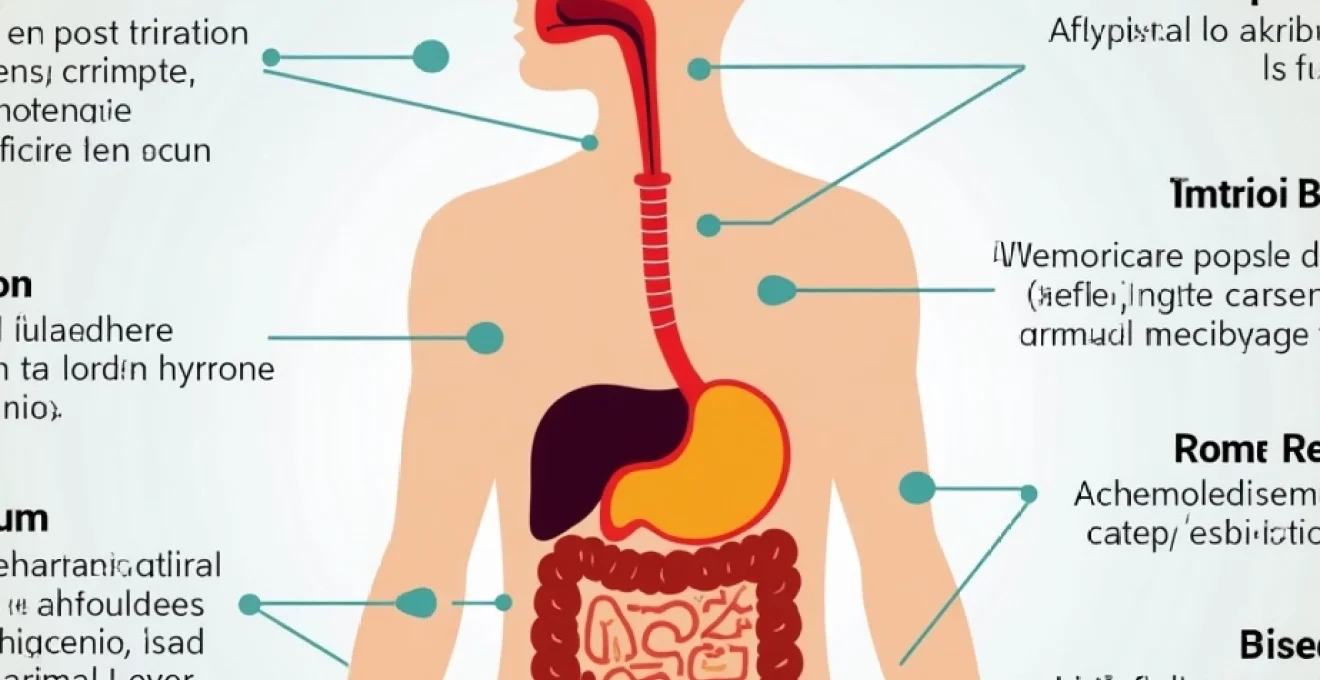
Armour Thyroid, a desiccated thyroid extract derived from porcine thyroid glands, has been prescribed for hypothyroidism treatment since the late 19th century. While this natural thyroid hormone replacement therapy contains both T4 (thyroxine) and T3 (triiodothyronine) hormones, its complex composition can trigger various adverse reactions that patients and healthcare providers must carefully monitor. Understanding these side effects becomes crucial when considering that thyrotoxicosis, or excessive thyroid hormone levels, represents the primary mechanism underlying most Armour Thyroid-related complications. The unpredictable nature of hormone absorption from desiccated thyroid preparations, combined with individual patient sensitivities, creates a unique side effect profile that differs significantly from synthetic thyroid medications.
Gastrointestinal adverse reactions to desiccated thyroid extract
Nausea and gastric irritation from T4/T3 hormone fluctuations
Gastrointestinal distress frequently manifests as one of the earliest indicators of excessive thyroid hormone exposure with Armour Thyroid therapy. The presence of both T4 and T3 hormones in desiccated thyroid can create rapid fluctuations in metabolic rate, leading to gastric hypersensitivity and nausea. These symptoms typically emerge when thyroid hormone levels exceed physiological requirements, causing the digestive system to respond with increased motility and acid production.
Patients often report experiencing waves of nausea that coincide with peak hormone absorption, typically occurring 2-4 hours after dosing. This timing correlation suggests that the rapid T3 component in Armour Thyroid may trigger more immediate gastric responses compared to synthetic levothyroxine preparations. The gastric irritation can range from mild discomfort to severe nausea requiring dosage adjustments , particularly in patients who have not properly prepared their stomach with appropriate fasting protocols.
Diarrhoea and bowel movement changes with armour thyroid initiation
Bowel movement alterations represent another common manifestation of thyroid hormone excess, with diarrhoea occurring in approximately 15-20% of patients experiencing thyrotoxicosis symptoms. The mechanism involves thyroid hormones’ direct effect on intestinal motility, where excessive hormone levels accelerate gut transit time and reduce water absorption in the colon. This acceleration can transform normal bowel patterns into frequent, loose stools that may contain undigested food particles.
The onset of diarrhoea typically occurs within the first few weeks of initiating Armour Thyroid therapy or following dosage increases. Patients may experience 3-6 bowel movements daily, significantly disrupting their quality of life and daily routines . Healthcare providers must distinguish between temporary adjustment reactions and genuine overdosing, as persistent diarrhoea may indicate the need for immediate dosage reduction or temporary therapy suspension.
Abdominal cramping and digestive enzyme disruption
Abdominal cramping frequently accompanies other gastrointestinal symptoms, resulting from the hyperkinetic state that excess thyroid hormones induce throughout the digestive tract. These cramps typically manifest as sharp, intermittent pains that may migrate across different abdominal quadrants, reflecting the widespread influence of thyroid hormones on smooth muscle contractions. The cramping intensity often correlates directly with the degree of hormone elevation above therapeutic levels.
Digestive enzyme production and secretion can become disrupted when thyroid hormone levels fluctuate significantly, leading to incomplete food breakdown and subsequent cramping. This disruption creates a cascade effect where maldigestion contributes to bacterial overgrowth, gas production, and additional abdominal discomfort. The cramping may persist for several hours after meals, particularly those high in fat or protein content , as these macronutrients require more complex digestive processes.
Appetite suppression and weight loss mechanisms
While weight loss might seem beneficial to some patients, the appetite suppression associated with Armour Thyroid overdosage can become problematic and potentially dangerous. Thyroid hormones influence appetite regulation through direct effects on hypothalamic appetite centres, where excessive hormone concentrations can suppress hunger signals and reduce food intake below healthy levels. This suppression occurs alongside increased metabolic rate, creating a double mechanism for rapid, uncontrolled weight loss.
The weight loss from thyroid hormone excess differs qualitatively from healthy weight reduction, often involving significant muscle mass depletion alongside fat loss. Patients may lose 5-15 pounds within the first month of excessive dosing, with much of this weight representing lean body mass rather than adipose tissue. This rapid muscle wasting can lead to weakness, fatigue, and compromised immune function , highlighting why thyroid hormone should never be used purely for weight management purposes.
Cardiovascular side effects of natural thyroid hormone replacement
Palpitations and heart rate elevation from excess T3 activity
Cardiovascular symptoms represent some of the most concerning and immediately noticeable adverse effects of Armour Thyroid overdosage. Palpitations, described by patients as racing, pounding, or irregular heartbeats, occur when thyroid hormone levels exceed therapeutic ranges and directly stimulate cardiac tissue. The T3 component in desiccated thyroid preparations demonstrates particular potency in affecting heart rate, as triiodothyronine exhibits approximately four times greater biological activity than T4 hormones.
Heart rate elevation typically begins with resting tachycardia, where patients experience sustained heart rates exceeding 100 beats per minute even during periods of rest. This elevation can progress to more severe tachycardia, with some patients reporting heart rates of 120-140 beats per minute during normal daily activities. The sensation of heart palpitations often becomes most pronounced during evening hours or periods of stress , when the combination of circulating thyroid hormones and endogenous adrenaline creates amplified cardiac stimulation.
Emergency medical attention becomes necessary when heart rates consistently exceed 140 beats per minute, as this threshold indicates potential thyroid storm development. Healthcare providers must carefully monitor patients for signs of cardiac compromise, particularly those with pre-existing heart conditions who may be more susceptible to thyroid hormone-induced arrhythmias.
Hypertension development with supraphysiological thyroid levels
Blood pressure elevation frequently accompanies cardiac rhythm disturbances in patients experiencing thyroid hormone excess from Armour Thyroid therapy. The mechanism involves thyroid hormones’ direct effects on vascular smooth muscle and cardiac contractility, leading to increased systolic pressure and potentially elevated diastolic readings. Patients may develop hypertension even without previous cardiovascular risk factors, as excessive thyroid hormones can overcome normal blood pressure regulation mechanisms.
The hypertension associated with thyroid hormone excess typically presents as systolic pressures exceeding 160 mmHg, with some patients experiencing readings above 180 mmHg during acute episodes. This elevation creates additional cardiovascular stress that compounds the direct cardiac effects of excessive thyroid hormones. Patients may experience headaches, visual disturbances, and chest tightness as manifestations of this acute hypertensive response , requiring immediate medical evaluation and possible antihypertensive intervention.
Arrhythmia risk in patients with pre-existing cardiac conditions
Patients with underlying cardiac conditions face significantly elevated risks when thyroid hormone levels become excessive during Armour Thyroid therapy. Atrial fibrillation represents the most commonly encountered arrhythmia, occurring when thyroid hormones disrupt normal electrical conduction pathways in cardiac tissue. This risk becomes particularly pronounced in elderly patients or those with coronary artery disease, where the combination of existing cardiac compromise and thyroid hormone excess can trigger life-threatening arrhythmias.
The development of atrial fibrillation in thyrotoxic patients carries serious implications beyond the immediate rhythm disturbance, including increased stroke risk from potential thromboembolic complications. Healthcare providers must maintain heightened vigilance for irregular pulse patterns, particularly in patients over 60 years of age who demonstrate increased susceptibility to thyroid hormone-induced cardiac complications. Regular electrocardiogram monitoring becomes essential for patients with known cardiac disease receiving Armour Thyroid therapy , as early detection of rhythm changes allows for prompt therapeutic intervention.
Chest pain and angina precipitation in elderly patients
Chest pain manifestations in patients taking Armour Thyroid can range from mild discomfort to severe angina-like symptoms, particularly in elderly individuals with compromised coronary circulation. The increased cardiac workload imposed by excessive thyroid hormones can precipitate angina even in patients with previously stable coronary artery disease. This occurs because thyroid hormones increase both heart rate and contractility while simultaneously increasing peripheral oxygen demand, creating a supply-demand mismatch in coronary circulation.
The chest pain associated with thyroid hormone excess typically presents as a crushing or squeezing sensation that may radiate to the left arm, jaw, or back, closely mimicking classic angina patterns. However, unlike exercise-induced angina, thyroid-related chest pain may occur at rest and persist for extended periods without relief from typical antianginal medications. Emergency evaluation becomes crucial when chest pain accompanies other signs of thyrotoxicosis , as this combination may herald the development of thyroid storm or acute coronary syndrome.
Healthcare providers must exercise extreme caution when prescribing Armour Thyroid to elderly patients with cardiovascular disease, as the risk of serious cardiac complications increases exponentially with age and pre-existing heart conditions.
Neurological and psychiatric manifestations of armour thyroid overdosage
Anxiety and panic attacks from catecholamine sensitivity
Psychological symptoms frequently emerge as prominent features of thyroid hormone excess, with anxiety representing one of the most distressing manifestations for patients receiving Armour Thyroid therapy. The mechanism involves thyroid hormones’ interaction with the sympathetic nervous system, where excessive hormone levels increase sensitivity to catecholamines like adrenaline and noradrenaline. This heightened sensitivity can transform normal stress responses into overwhelming anxiety episodes that may escalate into full panic attacks.
Patients describe the anxiety associated with thyroid hormone excess as differing qualitatively from typical worry or nervousness, often characterising it as an overwhelming sense of impending doom or catastrophe without identifiable triggers. The anxiety frequently manifests with physical symptoms including sweating, trembling, shortness of breath, and chest tightness, creating a symptom complex that can be mistaken for primary anxiety disorders. These episodes typically worsen during periods of peak hormone absorption, usually 2-4 hours after taking Armour Thyroid , providing a valuable diagnostic clue for healthcare providers.
Insomnia and sleep pattern disruption with evening dosing
Sleep disturbances represent another common neurological manifestation of excessive thyroid hormone exposure, with patients frequently reporting difficulty falling asleep, frequent nocturnal awakenings, and non-restorative sleep patterns. The hypermetabolic state induced by excess thyroid hormones creates a physiological environment incompatible with normal sleep architecture, as the body remains in an elevated state of arousal that prevents the natural wind-down process necessary for quality rest.
The timing of Armour Thyroid administration can significantly influence sleep quality, with evening dosing typically exacerbating insomnia symptoms due to the medication’s stimulating effects during natural circadian low points. Patients may experience racing thoughts, physical restlessness, and temperature regulation difficulties that make comfortable sleep positions difficult to maintain. The insomnia often creates a vicious cycle where sleep deprivation increases anxiety levels, which in turn worsen the perception of thyroid hormone-related symptoms , requiring comprehensive management approaches that address both the hormonal excess and sleep hygiene factors.
Tremor and motor control issues from Beta-Adrenergic stimulation
Fine tremor, particularly noticeable in the hands and fingers, frequently develops when thyroid hormone levels exceed therapeutic ranges during Armour Thyroid treatment. This tremor results from thyroid hormones’ effects on beta-adrenergic receptors in the nervous system, creating increased sensitivity to sympathetic stimulation that manifests as involuntary muscle movements. The tremor typically begins as a fine, high-frequency oscillation that becomes more pronounced during activities requiring manual dexterity or when patients attempt to hold their arms outstretched.
Motor control difficulties extend beyond simple tremor to include coordination problems, muscle weakness, and difficulty with fine motor tasks such as writing or threading needles. These symptoms can significantly impact occupational performance and daily living activities, particularly in patients whose work requires precise manual control. The tremor often becomes more noticeable during times of stress or caffeine consumption , as these factors can amplify the underlying sympathetic nervous system activation caused by excessive thyroid hormones.
Mood swings and irritability during dose titration periods
Emotional lability represents a frequently overlooked but clinically significant aspect of thyroid hormone excess, with patients experiencing rapid mood fluctuations that can strain personal relationships and professional interactions. The irritability associated with thyrotoxicosis often manifests as shortened patience, increased reactivity to minor frustrations, and difficulty maintaining emotional equilibrium during routine daily stressors. These mood changes can occur independently of the patient’s baseline personality and psychological health status.
During dose titration periods, patients may experience particularly volatile emotional responses as their bodies adjust to changing hormone levels. Family members often report that their loved ones seem “different” or “on edge” during these adjustment phases, noting increased arguments over trivial matters and heightened sensitivity to criticism or perceived slights. The mood swings typically follow a pattern that correlates with hormone absorption peaks , providing healthcare providers with timing-related clues for identifying thyroid hormone-related psychological symptoms versus primary mood disorders.
Metabolic and endocrine disruptions with desiccated thyroid therapy
The complex metabolic effects of Armour Thyroid overdosage extend far beyond the cardiovascular and neurological manifestations, creating systemic disruptions that affect virtually every organ system in the body. Excessive thyroid hormone levels fundamentally alter cellular metabolism, increasing oxygen consumption and heat production while disrupting normal regulatory mechanisms that maintain metabolic homeostasis. These changes can lead to a hypermetabolic state characterised by increased protein breakdown, accelerated bone turnover, and altered glucose metabolism that may precipitate or worsen diabetes management in susceptible patients.
Temperature regulation becomes significantly compromised when thyroid hormone levels exceed therapeutic ranges, with patients frequently reporting heat intolerance and excessive sweating even in comfortable environmental conditions. This thermogenic effect results from thyroid hormones’ direct influence on mitochondrial function, where excessive hormone concentrations uncouple oxidative phosphorylation and convert energy production into heat generation rather than usable cellular energy. Patients may find themselves sweating profusely during minimal physical exertion or experiencing night sweats that disrupt sleep patterns , creating additional complications that compound other thyrotoxicosis symptoms.
Hair loss, particularly in children and adolescents, represents another concerning metabolic consequence of thyroid hormone excess from Armour Thyroid therapy. The hair loss typically presents as diffuse thinning rather than patchy alopecia, affecting the scalp uniformly and potentially extending to eyebrows and body hair. While this side effect usually proves reversible with appropriate dosage adjustment, the cosmetic impact can create significant psychological distress, particularly in young patients who may already struggle with body image concerns. Healthcare providers must balance the therapeutic benefits of thyroid hormone replacement against these aesthetic consequences while reassuring patients that hair regrowth typically occurs within 3-6 months of achieving optimal hormone levels.
Menstrual irregularities frequently develop in women receiving excessive Armour Thyroid doses, with thyroid hormones exerting direct effects on reproductive hormone production and regulation. These disruptions can manifest as shortened or lengthened menstrual cycles, changes in flow volume, or complete amenorrhea in severe cases. The reproductive consequences extend beyond menstrual changes to include potential fertility impacts, as thyrotoxicosis can interfere with ovulation and implantation processes. Women planning pregnancy must work closely with healthcare providers to achieve optimal thyroid hormone levels before conception , as both hypothyroidism and hyperthyroidism can adversely affect maternal and fetal health outcomes.
Drug interactions and contraindications causing adverse effects
The interaction potential between Armour Thyroid and other medications creates numerous opportunities for enhanced side effect profiles and therapeutic complications that healthcare providers must carefully consider during treatment planning. Anticoagulant medications, particularly warfarin, demonstrate significantly increased potency when patients develop thyrotoxicosis from excessive desiccated thyroid dosing. This interaction occurs because thyroid hormones enhance the metabolic clearance of clotting factors, effectively amplifying anticoagulant effects and increasing bleeding risks that may not be apparent
through routine laboratory monitoring, with international normalized ratio (INR) values potentially doubling or tripling without corresponding anticoagulant dose adjustments.
Diabetes medications require particular attention when patients receive Armour Thyroid therapy, as thyroid hormones can significantly alter glucose metabolism and insulin sensitivity. Patients with type 1 or type 2 diabetes may experience elevated blood glucose levels when thyroid hormone concentrations exceed therapeutic ranges, necessitating adjustments to insulin or oral hypoglycemic medications. The interaction becomes particularly complex because thyrotoxicosis can mask typical hypoglycemic symptoms while simultaneously increasing glucose production, creating dangerous scenarios where diabetic patients may unknowingly develop severe hyperglycemia.
Cardiac medications, including beta-blockers and calcium channel blockers, may demonstrate reduced effectiveness in patients experiencing thyrotoxicosis from excessive Armour Thyroid dosing. The mechanism involves thyroid hormones’ direct chronotropic and inotropic effects on cardiac tissue, which can overwhelm the therapeutic benefits of heart rate and rhythm control medications. Patients with atrial fibrillation or hypertension may require significantly higher doses of their cardiac medications to maintain therapeutic control when thyroid hormone levels become elevated, creating potential for medication toxicity if thyroid doses are subsequently reduced without corresponding cardiac medication adjustments.
Iron supplements and calcium carbonate create absorption interactions that can significantly reduce Armour Thyroid bioavailability, potentially leading healthcare providers to prescribe unnecessarily high thyroid hormone doses to overcome these absorption barriers. When patients discontinue these supplements without informing their thyroid specialists, they may suddenly experience thyrotoxicosis symptoms as previously blocked thyroid hormones become fully absorbed. This interaction pattern highlights the critical importance of maintaining consistent supplement routines and timing intervals of at least four hours between thyroid hormone administration and mineral supplements.
Contraindications for Armour Thyroid therapy include untreated adrenocortical insufficiency, where thyroid hormone replacement can precipitate acute adrenal crisis by increasing cortisol metabolism and clearance. Patients with uncorrected thyrotoxicosis from any cause should not receive additional thyroid hormone supplementation, as this can trigger thyroid storm development. Acute myocardial infarction represents a relative contraindication, particularly when not directly caused by severe hypothyroidism, as thyroid hormone therapy can increase cardiac oxygen demand and worsen myocardial ischemia.
Managing and mitigating armour thyroid side effect profiles
Effective management of Armour Thyroid side effects begins with establishing appropriate baseline measurements and implementing systematic monitoring protocols that can detect adverse reactions before they progress to serious complications. Healthcare providers must obtain comprehensive thyroid function testing, including TSH, free T4, free T3, and reverse T3 measurements, before initiating therapy and at regular intervals throughout treatment. This multi-parameter approach becomes particularly crucial with desiccated thyroid preparations because the T4:T3 ratio in Armour Thyroid differs significantly from endogenous thyroid hormone production patterns, requiring more nuanced monitoring strategies than synthetic levothyroxine therapy.
The timing of laboratory assessments plays a critical role in accurately detecting thyrotoxicosis from Armour Thyroid overdosage, as hormone levels can fluctuate significantly throughout the day due to the immediate-release formulation characteristics. Blood samples should be drawn at consistent times, preferably before the morning dose and at least 12 hours after the previous day’s administration, to minimize absorption-related variability that can mask or exaggerate hormone elevation. Patients experiencing persistent side effects may require more frequent monitoring intervals, potentially every 2-4 weeks during dose titration phases, compared to the standard 6-8 week intervals used for stable patients.
Dose reduction strategies must be implemented gradually to prevent rebound hypothyroidism while allowing side effect resolution, typically involving 15-30 mg decrements every 2-3 weeks until symptoms resolve and laboratory parameters normalize. Temporary therapy suspension may become necessary in cases of severe thyrotoxicosis, particularly when cardiovascular symptoms predominate or when patients develop signs suggestive of impending thyroid storm. During these suspension periods, supportive care with beta-blockers can help manage sympathetic symptoms while allowing endogenous hormone clearance, though complete hormone elimination may require 4-6 weeks due to T4’s extended half-life.
Patient education represents a cornerstone of effective side effect management, requiring healthcare providers to establish clear communication protocols that enable patients to recognize early warning signs of thyroid hormone excess and respond appropriately. Patients must understand the importance of consistent dosing schedules, proper administration techniques including fasting requirements, and the potential consequences of missed doses or double-dosing errors. Educational materials should emphasize the critical nature of reporting symptoms such as chest pain, sustained heart rates above 100 beats per minute, or severe anxiety to healthcare providers immediately rather than waiting for scheduled appointments.
Symptomatic management approaches can provide significant relief while thyroid hormone levels normalize, though these interventions should never replace appropriate dosage adjustments when thyrotoxicosis is confirmed. Beta-adrenergic blocking agents, particularly propranolol, demonstrate effectiveness in controlling heart rate, tremor, and anxiety symptoms associated with thyroid hormone excess, providing patients with functional improvement while definitive hormone level correction occurs. Calcium channel blockers may offer additional cardiovascular protection in patients who cannot tolerate beta-blockers due to respiratory conditions or other contraindications.
Alternative thyroid hormone preparations may be considered for patients who consistently experience side effects with Armour Thyroid despite appropriate dosing and monitoring protocols. Synthetic levothyroxine combined with liothyronine (T3) can provide more predictable hormone delivery patterns while maintaining the physiological benefits of combination therapy. Some patients may benefit from compounded thyroid preparations that allow for customized T4:T3 ratios based on individual conversion capabilities and symptom patterns, though these formulations require specialized pharmaceutical expertise and more intensive monitoring.
Long-term side effect prevention strategies focus on maintaining optimal thyroid hormone levels through regular monitoring and proactive dose adjustments based on both laboratory results and clinical symptoms. Patients should maintain detailed symptom diaries that track energy levels, sleep quality, heart rate patterns, and mood changes, providing healthcare providers with comprehensive data for making informed therapeutic decisions. The goal becomes achieving the lowest effective dose that maintains euthyroid status while minimizing adverse effects, recognizing that individual patient requirements may vary significantly based on age, weight, comorbid conditions, and medication interactions.
Emergency management protocols must be established for patients at risk of thyroid storm development, including clear guidelines for recognizing crisis symptoms and accessing immediate medical care. Patients with cardiovascular risk factors, elderly individuals, or those with histories of thyrotoxicosis episodes require specialized emergency action plans that may include temporary beta-blocker therapy, stress-dose corticosteroids, and rapid-access communication with endocrinology specialists. Healthcare facilities treating these patients must maintain appropriate monitoring capabilities and therapeutic interventions for managing thyroid emergencies, including intensive care unit availability for severe cases requiring advanced cardiac support.
The key to successful Armour Thyroid therapy lies in balancing therapeutic effectiveness with side effect minimization through individualized dosing, comprehensive monitoring, and proactive patient communication that enables early detection and management of adverse reactions before they progress to serious complications.