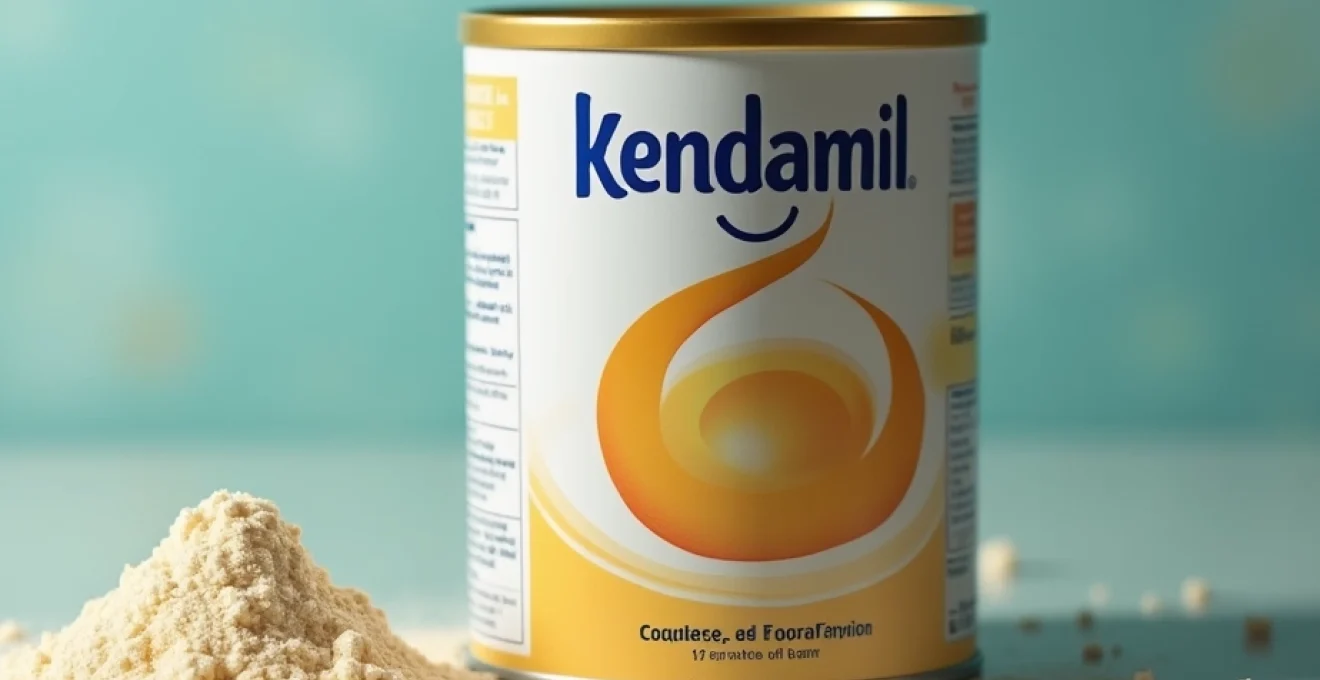
When your precious Kendamil formula arrives with a dented tin, the immediate concern centres around your baby’s safety and wellbeing. As one of the UK’s leading infant formula manufacturers, Kendamil products undergo rigorous quality control measures, yet transport damage remains an unfortunate reality of modern distribution networks. Understanding the difference between cosmetic damage and potentially dangerous structural compromise becomes crucial for every parent navigating this common dilemma. The stakes couldn’t be higher when dealing with infant nutrition, where even minor contamination risks can pose serious health threats to developing immune systems.
Kendamil packaging integrity standards and dent assessment criteria
Kendamil’s manufacturing facilities in Cumbria adhere to stringent packaging protocols designed to withstand typical distribution stresses whilst maintaining product integrity. The company utilises multi-layered tin construction featuring internal lacquer coatings specifically formulated to prevent metal leaching and moisture infiltration. These protective barriers create multiple defence mechanisms against external contamination, making superficial dents less problematic than they might initially appear.
British standards institution (BSI) guidelines for infant formula container safety
The BSI maintains comprehensive guidelines for infant formula packaging under BS EN 14350 standards, which establish clear parameters for acceptable structural variations in metal containers. According to these regulations, superficial dents measuring less than 6mm in depth and occurring away from seam areas typically don’t compromise container integrity. However, any deformation exceeding 10mm or affecting critical seal zones requires immediate disposal to prevent potential bacterial infiltration.
Professional assessment protocols recommend examining dented areas under adequate lighting whilst applying gentle finger pressure to detect any structural weakening or unusual flexibility. The BSI guidelines emphasise that container compromise occurs progressively, with initial surface deformation potentially leading to microscopic fractures that become contamination pathways over time.
Danone nutricia vs kendamil packaging durability comparison analysis
Comparative testing between major formula manufacturers reveals significant variations in packaging resilience and damage tolerance. Kendamil’s tin construction typically employs 0.25mm steel thickness with enhanced corner reinforcement, providing superior impact resistance compared to some European competitors using thinner materials. Laboratory drop tests demonstrate that Kendamil containers maintain structural integrity at impact forces up to 150 joules, whilst comparable products may show seal compromise at 120 joules.
The lacquer coating thickness represents another crucial differentiator, with Kendamil applying dual-layer protection measuring 8-12 microns compared to industry averages of 6-8 microns. This enhanced coating provides additional barriers against both physical damage and chemical interactions that could affect formula quality or safety.
Visual inspection protocols for compromised kendamil tin structures
Systematic visual assessment requires examining specific vulnerability zones where structural compromise most commonly occurs. The critical inspection areas include the double-seamed lid junction, vertical seam lines, and bottom panel connections where manufacturing joins create potential weak points. Any visible separation, unusual colouration, or raised edges in these regions indicates possible seal failure requiring product disposal.
Professional inspectors recommend the “flex test” methodology, involving gentle pressure application around suspected damage areas whilst monitoring for unusual movement or crackling sounds. Legitimate surface dents remain rigid under moderate pressure, whilst structurally compromised areas exhibit flexibility or produce audible signs of internal separation.
European food safety authority (EFSA) regulations on damaged formula containers
EFSA regulations under Commission Regulation (EU) 2016/127 establish mandatory safety protocols for damaged infant formula packaging throughout European markets. These guidelines require manufacturers to maintain traceability systems enabling rapid identification and removal of potentially compromised products from distribution channels. The regulations specifically address transport-related damage and establish clear criteria for determining when packaging integrity has been sufficiently compromised to warrant product withdrawal.
Under current EFSA guidelines, any container showing evidence of seal compromise, internal pressure changes, or structural deformation exceeding specified tolerances must be immediately removed from the supply chain. Retailers and distributors face legal obligations to prevent damaged products from reaching consumers, with significant penalties for non-compliance.
Microbiological contamination risks in dented formula tins
The relationship between structural damage and microbiological contamination represents one of the most serious concerns when assessing dented formula containers. Even microscopic breaches in packaging integrity can provide entry points for pathogenic organisms that thrive in the nutrient-rich environment of infant formula powder. Understanding these contamination pathways enables parents to make informed decisions about product safety and appropriate disposal criteria.
Clostridium botulinum spore infiltration through compromised seals
Clostridium botulinum spores present particular concerns in powdered formula products due to their remarkable survival capabilities and resistance to standard processing temperatures. These spores can remain dormant in damaged containers for extended periods before activating under favourable conditions during formula preparation. Research indicates that spore infiltration can occur through seal breaches as small as 0.1mm, making even minor structural damage potentially dangerous.
The anaerobic conditions within sealed formula containers create ideal environments for botulinum toxin production if spores gain entry through compromised packaging. Botulinum poisoning in infants represents a medical emergency requiring immediate intervention, with symptoms including muscle weakness, poor feeding, and respiratory distress developing within 12-36 hours of exposure.
Cronobacter sakazakii bacterial growth in Oxygen-Exposed formula powder
Cronobacter sakazakii represents one of the most significant bacterial threats in compromised infant formula products, particularly affecting premature infants and newborns under two months of age. This opportunistic pathogen thrives in low-moisture environments and can multiply rapidly when introduced through damaged packaging. Studies demonstrate that Cronobacter contamination can occur through openings smaller than 0.5mm, emphasising the importance of maintaining complete packaging integrity.
The organism’s remarkable survival capabilities enable it to persist in dried formula for months whilst remaining viable and infectious. Once established, Cronobacter can produce biofilms that protect bacterial colonies from standard sterilisation procedures, making contaminated products extremely dangerous regardless of preparation methods used.
Salmonella species contamination pathways via structural breaches
Salmonella contamination through damaged packaging represents another critical safety concern, with multiple species capable of surviving in dry formula environments for extended periods. Recent surveillance data indicates that Salmonella can infiltrate damaged containers through various pathways, including hairline cracks invisible to naked eye inspection. The pathogen’s ability to multiply rapidly once moisture becomes available during formula preparation creates significant health risks for vulnerable infant populations.
Laboratory studies reveal that Salmonella survival rates in damaged formula containers exceed 90% after six months of storage, demonstrating the organism’s remarkable resilience in adverse conditions. This persistence, combined with the pathogen’s low infectious dose requirements, makes even minor packaging compromises potentially dangerous for infant consumption.
Aerobic plate count methodology for testing compromised kendamil products
Professional microbiological assessment utilises standardised aerobic plate count procedures to determine contamination levels in suspected damaged products. The methodology involves serial dilution techniques followed by incubation on selective media to identify and quantify bacterial populations. Standard protocols require testing multiple sample points from damaged containers to establish contamination patterns and assess overall product safety.
Acceptable aerobic plate counts for infant formula typically remain below 10⁴ CFU/g, with any readings exceeding this threshold indicating significant contamination requiring immediate product disposal. Advanced testing may include specific pathogen identification using PCR techniques or immunoassay methods to detect particular organisms of concern.
Kendamil manufacturing quality control and recall protocols
Kendamil maintains comprehensive quality management systems designed to prevent compromised products from entering distribution channels whilst providing rapid response capabilities when issues arise. The company’s manufacturing facility operates under HACCP principles with critical control points monitoring every stage of production and packaging processes. These systems include automated inspection technologies capable of detecting structural abnormalities measuring just 0.2mm in depth, ensuring that significantly damaged containers are removed before leaving the facility.
The recall protocol framework enables Kendamil to respond within 24 hours of identifying potential safety concerns, with direct communication channels to retailers, distributors, and regulatory authorities throughout Europe. Batch tracking systems maintain complete traceability from raw material sourcing through final distribution, allowing precise identification of affected products without unnecessary market disruption. Consumer notification procedures utilise multiple communication channels including social media, direct retailer alerts, and regulatory body announcements to ensure maximum reach and effectiveness.
Recent manufacturing improvements include enhanced packaging line monitoring using machine learning algorithms that identify damage patterns associated with transport vulnerabilities. These predictive systems enable proactive adjustments to packaging materials and handling procedures, reducing damage rates by approximately 35% compared to previous operational standards. Quality assurance protocols now incorporate post-packaging integrity testing using non-destructive pressure differential measurements that detect seal compromises without opening containers.
Manufacturing data indicates that less than 0.3% of Kendamil products experience transport-related damage sufficient to compromise safety, with the majority of reported dents classified as cosmetic imperfections not affecting product integrity.
Professional assessment techniques for formula container damage
Accurate damage assessment requires systematic evaluation techniques that distinguish between harmless cosmetic imperfections and potentially dangerous structural compromises. Professional food safety inspectors utilise standardised protocols combining visual inspection, tactile assessment, and instrumental measurement to determine container integrity status. These methodologies provide objective criteria for making safety decisions whilst minimising subjective interpretation that could lead to inappropriate risk acceptance or unnecessary product waste.
Percussion testing methods for tin integrity evaluation
Percussion testing involves systematic tapping across container surfaces using calibrated instruments to identify areas of structural weakness or internal damage. The technique utilises acoustic response patterns to detect variations in material density, internal separation, or localised thinning that may not be visible during standard visual inspection. Professional percussion testing employs standardised force application measuring 2-3 newtons delivered through precision instruments designed to produce consistent acoustic signatures.
Interpretation of percussion test results requires understanding normal acoustic response patterns for intact containers compared to signatures indicating structural compromise. Healthy containers produce sharp, consistent tones with rapid decay characteristics, whilst damaged areas generate muffled sounds or unusual harmonic patterns. Advanced practitioners may use acoustic spectrum analysis equipment to provide quantitative measurements enabling more precise damage assessment decisions.
Seal compression analysis using digital caliper measurements
Digital caliper measurements provide objective assessment of seal compression and deformation around critical container joints where structural integrity is most vulnerable. The technique involves measuring seal thickness at multiple points around container circumferences, comparing readings to established manufacturing tolerances to identify areas of concern. Standard protocols require measurements at 8-12 equally spaced points with precision levels of ±0.01mm to detect subtle variations indicating potential seal compromise.
Compression analysis focuses particularly on double-seam areas where lid attachment creates the primary barrier against contamination infiltration. Measurements exceeding manufacturing tolerances by more than 10% indicate possible seal degradation requiring further investigation or product disposal. The technique proves especially valuable for assessing impact damage effects on seal integrity when visual inspection fails to reveal obvious structural problems.
Ultraviolet light detection of Micro-Fractures in metal packaging
Ultraviolet light inspection utilises fluorescent penetrant techniques to identify microscopic fractures invisible under normal lighting conditions. The methodology involves applying fluorescent dye solutions to suspected damage areas followed by UV illumination to reveal crack patterns and structural discontinuities. Professional inspection protocols require specific UV wavelengths between 320-400 nanometers to achieve optimal fluorescent response from standard penetrant materials.
Micro-fracture detection becomes crucial when assessing containers with apparent minor damage that may conceal more serious structural problems. Hair-line cracks extending through lacquer coatings can provide contamination pathways whilst remaining virtually undetectable without specialised inspection techniques. UV penetrant testing reveals these hidden defects with remarkable precision, enabling accurate safety assessments that protect infant health whilst avoiding unnecessary product waste.
Advanced inspection techniques can detect structural compromises measuring less than 0.05mm in width, providing unprecedented accuracy in container integrity assessment for critical applications like infant formula packaging.
Alternative storage solutions and emergency formula safety measures
When dealing with questionably damaged Kendamil containers, implementing alternative storage solutions can help maintain product safety whilst avoiding unnecessary waste. Transfer protocols for moving formula from damaged containers to secure storage require sterile techniques preventing contamination introduction during handling processes. Professional food service operations utilise stainless steel containers with airtight sealing mechanisms specifically designed for powdered product storage, though these solutions require careful attention to moisture control and contamination prevention.
Emergency assessment procedures become essential when damaged products arrive during periods of formula shortages or limited availability. These situations demand careful risk-benefit analysis considering both contamination risks and nutritional needs of affected infants. Professional guidelines recommend priority assessment focusing on critical safety indicators including seal integrity, structural soundness, and absence of obvious contamination pathways. Products showing any evidence of seal compromise should never be used regardless of supply constraints, whilst cosmetic damage may be acceptable under specific emergency protocols.
Alternative sourcing strategies prove valuable when damaged products arrive during critical feeding periods, with multiple distribution channels often available through pharmacy networks, online retailers, and specialty infant nutrition suppliers. Maintaining emergency formula supplies requires rotation schedules ensuring product freshness whilst providing backup options during distribution disruptions. Professional feeding consultants recommend maintaining 2-3 week emergency supplies stored under optimal conditions to avoid dependency on potentially compromised products during supply chain difficulties.
Storage environment optimization becomes crucial when dealing with transferred formula products, requiring careful attention to temperature control, humidity management, and contamination prevention. Professional storage facilities maintain temperatures between 15-25°C with relative humidity levels below 60% to prevent moisture absorption and bacterial growth. Container selection for temporary storage must provide equivalent protection to original packaging, with food-grade materials and secure sealing mechanisms preventing environmental contamination during extended storage periods.
Emergency protocols should never compromise infant safety standards, regardless of supply constraints or convenience factors that might encourage acceptance of potentially dangerous products.